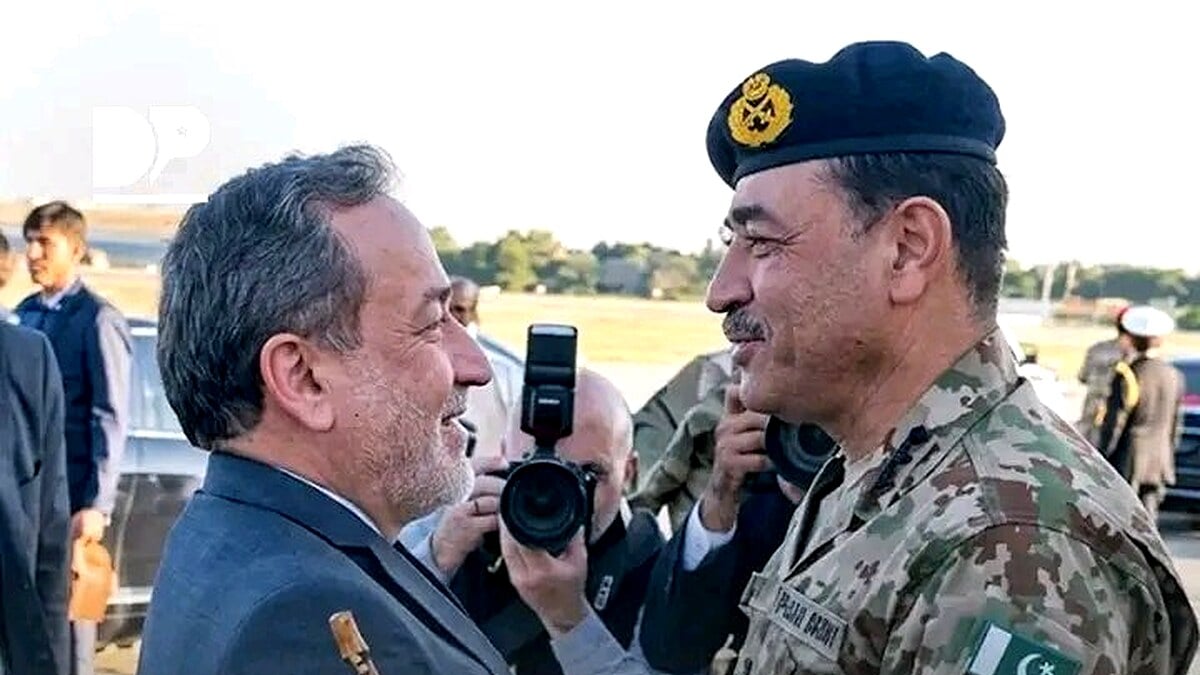




ISLAMABAD: Pakistan played a pivotal role in the midnight digital signing of a one-page Memorandum of Understanding (MoU) between the United States and Iran on June 15, 2026, marking a significant step toward ending months of conflict.
President Donald Trump and Vice President JD Vance signed the document electronically via DocuSign, alongside Iranian Parliament Speaker Mohammad Baqer Qalibaf. A senior Pakistani official of high stature served as witness to the legally binding agreement, sources confirmed.
The virtual signing occurred just after midnight, paving the way for a formal in-person ceremony scheduled in Switzerland on June 19. Pakistani mediation proved instrumental in bridging differences that had stalled earlier efforts.
Prime Minister Shehbaz Sharif announced the breakthrough, highlighting Pakistan’s sustained diplomatic engagement. The MoU focuses on immediate termination of military operations, reopening of the Strait of Hormuz, and a framework for further talks on nuclear issues and sanctions relief.
**Official Confirmation**
Senior US officials verified the digital signatures and described the MoU as a practical step to de-escalate the four-month conflict that began in late February 2026. Vice President Vance emphasized that implementation would depend on verifiable compliance.
Iranian state media reported Qalibaf’s signature on behalf of Tehran. Pakistani sources described the document as concise yet comprehensive, covering cessation of hostilities across fronts, including Lebanon.
Defence Minister Khawaja Asif had earlier voiced strong criticism of Israeli actions during the April talks in Islamabad, reflecting domestic sensitivities while official channels remained active.
**April Breakthrough and Setbacks**
Direct US-Iranian talks in Islamabad in April 2026 had brought the parties close to agreement. Delegations engaged intensively at venues including the Serena Hotel.
However, a UAE delegation arrived late one night carrying messages reportedly from Israel to Vance. The atmosphere shifted rapidly. Vance held a brief press engagement and departed, delaying momentum.
Multiple sources indicated Israeli interventions created several tense moments. Pakistani officials maintained backchannel communications and kept the process alive despite public and private pressures.
**Key Elements of the Agreement**
The MoU commits to immediate and permanent termination of military operations. It includes lifting the US naval blockade on Iranian ports and gradual reopening of the Strait of Hormuz, a critical chokepoint for global oil trade.
Oil prices, which had spiked above $119 per barrel during the conflict, fell below $79 following the announcement as demining operations began. The agreement provides a 60-day window for deeper negotiations on Iran’s nuclear program, missile capabilities, and regional security issues.
No immediate US financial transfers to Iran are envisaged. Benefits remain conditional on verified steps by Tehran regarding uranium stockpiles and weapons-related activities.
**Background Context**
Pakistan’s mediation built on earlier ceasefire efforts in April. Islamabad leveraged its relations with both Washington and Tehran, as well as Gulf partners, to sustain dialogue.
The conflict had disrupted energy markets and heightened regional tensions. Pakistan’s role as a neutral facilitator gained international recognition, positioning the country as a key diplomatic actor in West Asian affairs.
**Reactions and Regional Impact**
Gulf states and other regional players expressed cautious support. Markets responded positively with lower energy prices expected to ease inflationary pressures globally.
Israeli officials reacted coolly, stating they would continue to protect their interests independently. Domestic reactions in Pakistan welcomed the development as a validation of Islamabad’s diplomatic strategy.
**Strategic Implications**
The successful digital signing underscores the effectiveness of sustained, multi-track diplomacy in complex conflicts. Pakistan’s ability to maintain channels amid setbacks highlights its strategic value in backchannel communications.
Implementation challenges remain, particularly around verification mechanisms and sanctions relief timelines. The June 19 ceremony in Switzerland will test commitment levels as details of the full framework emerge.
Observers note that the MoU represents a pragmatic pause rather than a comprehensive resolution. Future developments will depend on compliance benchmarks and broader regional dynamics involving multiple stakeholders.
The coming weeks are likely to see intensified technical discussions. Regional stability, energy security, and economic recovery across affected areas hinge on the durability of this initial agreement.