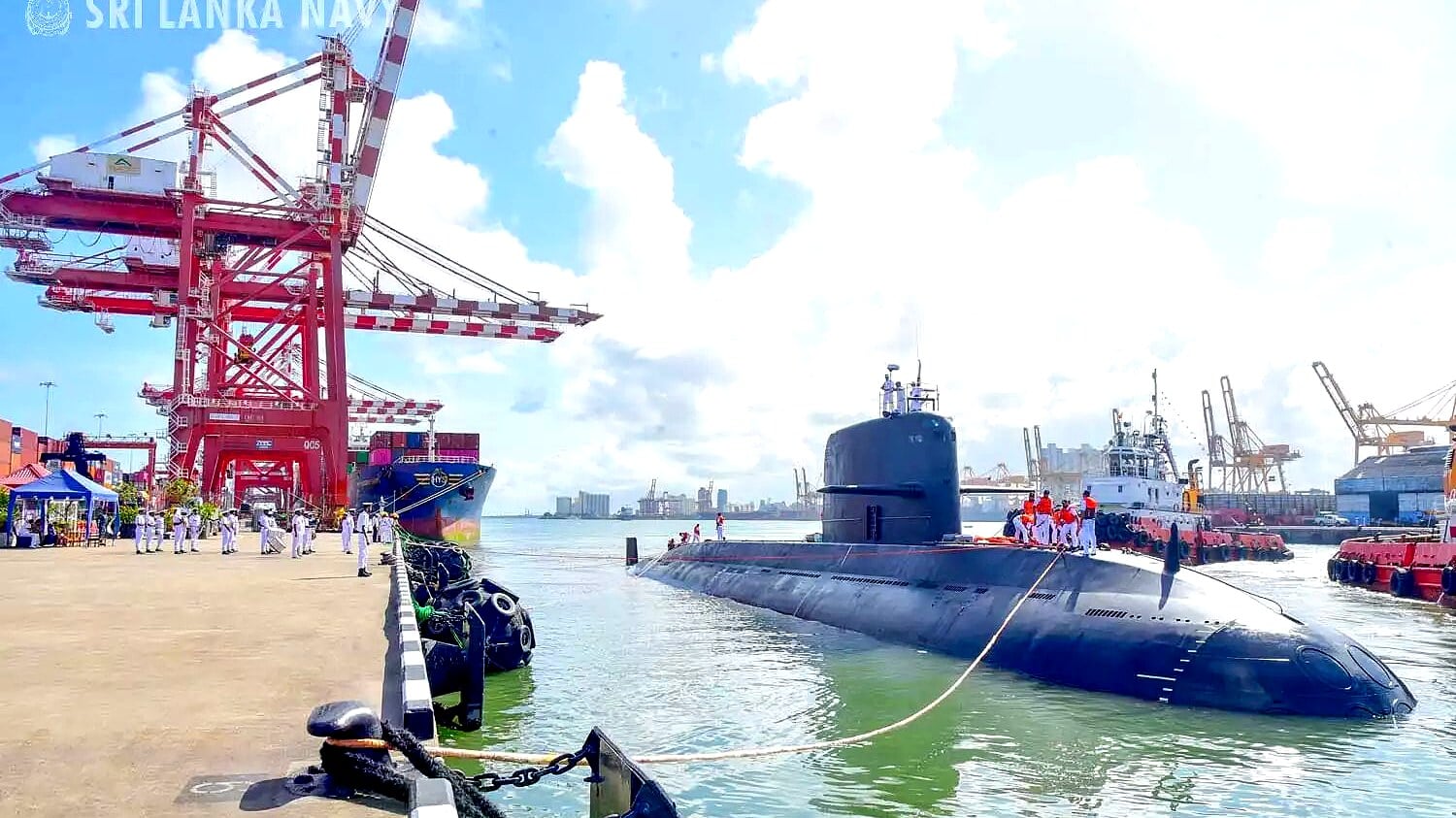




(Pakistan Navy Irks India With Expanded Bay of Bengal Role With Growing Hangor Fleet)
Submarine Fleet Expands
ISLAMABAD: Pakistan Navy has outlined plans to increase its operational presence in the Bay of Bengal as its Hangor-class submarine fleet grows, according to senior naval officials.
The development forms part of a broader modernisation drive that includes the acquisition of eight advanced diesel-electric submarines from China under a programme valued at approximately $5 billion. Four vessels are being built in China while four are under assembly at Karachi Shipyard and Engineering Works.
The first submarine, PNS Hangor, was commissioned in late April 2026. Subsequent boats in the class are scheduled for delivery and induction through 2028. These platforms feature Air-Independent Propulsion (AIP) technology, enabling extended submerged operations for up to nearly three weeks.
Naval sources indicate the expanded submarine capability will allow for multi-axis deployments, including patrols in the eastern Indian Ocean region. This aims to secure sea lines of communication and enhance deterrence beyond traditional areas of focus in the Arabian Sea.
**Official Position** Chief of Naval Staff Admiral Naveed Ashraf has emphasised the need for a balanced fleet capable of operating across wider maritime domains. The Hangor-class submarines, derived from the Chinese Type 039B Yuan design, incorporate advanced stealth features, improved sensors, and compatibility with Babur-3 submarine-launched cruise missiles.
A Pakistan Navy spokesperson described the move as a necessary response to evolving regional maritime dynamics and growing economic interests linked to trade routes passing through the Bay of Bengal.
**Key Capabilities** Each Hangor-class submarine displaces around 2,800 tons submerged and is equipped with modern torpedoes, mines, and anti-ship capabilities. The AIP system significantly reduces acoustic signature, providing a stealth advantage for covert patrols.
The programme represents Pakistan’s largest single defence acquisition. Full fleet operationalisation is expected to substantially increase underwater endurance and strike range compared to the existing Agosta-class submarines.
**Strategic Context** The Bay of Bengal has gained importance due to increasing maritime traffic, energy shipments, and regional connectivity projects. Littoral states including Bangladesh, Myanmar, and Sri Lanka have seen heightened naval activity from multiple powers.
Pakistan’s expanded presence would allow its submarines to operate from the Arabian Sea towards eastern flanks, potentially complicating adversary planning across a wider theatre.
**Indian Reaction** Indian defence circles have expressed concern over the development. New Delhi views the enhanced Pakistani submarine capability as a factor that could stretch its anti-submarine warfare assets between the Arabian Sea and Bay of Bengal.
Analysts in India note that the AIP-equipped Hangor boats narrow the qualitative gap with parts of the Indian submarine fleet, particularly older vessels. India’s Project-75 and Project-75I programmes face delays, while Pakistan’s acquisition proceeds on schedule.
**Market and Regional Implications** The development has drawn attention in regional capitals. Bangladesh and other Bay of Bengal nations maintain their own naval modernisation efforts, though on a smaller scale.
Shipping and insurance sectors monitoring Indian Ocean routes may factor in increased submarine activity when assessing risk profiles for certain corridors, though no immediate disruption to commercial traffic is expected.
**Broader Implications** As the Hangor fleet reaches full strength, Pakistan Navy operational reach is projected to extend further into the Indian Ocean. This could influence future force posture decisions by all regional navies.
The programme also strengthens defence industrial cooperation with China and supports local shipbuilding capacity at Karachi. Future developments will likely include integration of additional weapons systems and crew training enhancements.
Questions remain about exact patrol patterns, rules of engagement in international waters, and potential responses from other maritime powers active in the Bay of Bengal. Naval observers expect continued focus on capability development and strategic signalling in the coming years.