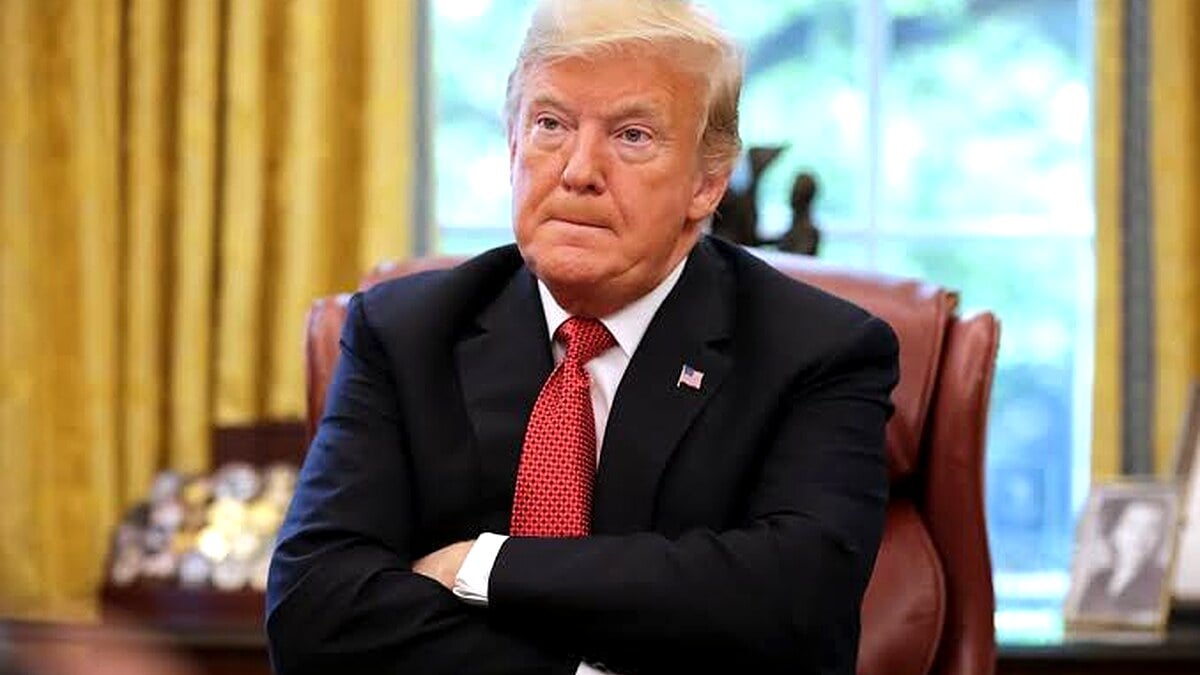




ISLAMABAD: Senior US officials have privately told Iranian counterparts not to treat President Donald Trump’s social media posts on a potential peace agreement as formal negotiating positions.
The messages, conveyed through Pakistani intermediaries, stress that several statements target American domestic consumption.
Pakistan’s role as mediator persists, with recent exchanges focusing on implementation of the April 8 ceasefire terms and reopening of the Strait of Hormuz.
A Pakistani source familiar with the process described progress as “difficult but ongoing.” Iran delivered a fresh proposal via Islamabad in recent days.
Foreign Office spokesperson in Islamabad confirmed Pakistan’s continued engagement. “We remain committed to de-escalation and supporting direct communication between the parties,” the spokesperson said.
The development comes weeks after the two-week ceasefire brokered in Islamabad. The truce followed direct talks hosted in the Pakistani capital involving US and Iranian delegations.
US officials have emphasised the need for concrete actions over public rhetoric. One Washington source noted that Trump’s posts often serve to maintain pressure while allowing negotiating flexibility behind the scenes.
**Key diplomatic timeline** – February 2026: Outbreak of major hostilities – April 8, 2026: Pakistan-mediated two-week ceasefire – April 11-12, 2026: High-level talks in Islamabad – May 2026: Continued backchannel proposals
Iranian officials have expressed frustration with mixed signals from the US side. However, Tehran continues to respond through Pakistani channels rather than public confrontation.
Pakistan’s Army Chief has played a visible role in recent shuttle diplomacy, including meetings in Tehran focused on de-escalation.
Economic implications remain significant. The conflict disrupted oil flows through the Strait of Hormuz, affecting global energy markets and Pakistan’s own energy imports. Reopening the strait forms a central element of current proposals.
Regional analysts note that Pakistan’s unique position—maintaining ties with both Washington and Tehran—has enabled sustained mediation where other actors faced challenges. Pakistan hosts Iran’s interests section in Washington, providing an established communication line.
Market reactions have been cautious. Oil prices showed volatility following recent Trump statements but stabilised on reports of continued diplomatic efforts.
**Official positions** Pakistani officials have avoided commenting on specific US warnings to Iran. They focus instead on the broader need for a permanent agreement.
US Secretary of State Marco Rubio recently acknowledged “some progress” in mediation efforts. President Trump has stated publicly that a deal “has been largely negotiated,” while maintaining pressure through social media.
Iran has rejected certain US demands, particularly regarding its nuclear programme, but signalled willingness to discuss partial asset releases and maritime security guarantees.
**Strategic context** The ongoing diplomacy occurs against a backdrop of high regional stakes. A lasting agreement could stabilise energy markets and reduce risks of wider escalation involving other Gulf actors.
For Pakistan, successful mediation enhances its diplomatic standing and potentially opens avenues for economic cooperation in post-conflict reconstruction. However, prolonged uncertainty carries risks for Islamabad’s own security environment along the western border.
Analysts suggest the current phase represents a testing period for backchannel effectiveness. Future developments may depend on whether private communications can bridge gaps created by public positioning on both sides.
Questions remain about implementation timelines and verification mechanisms for any final agreement. Pakistani officials indicate that additional rounds of indirect talks are likely in the coming weeks as both sides assess their positions.