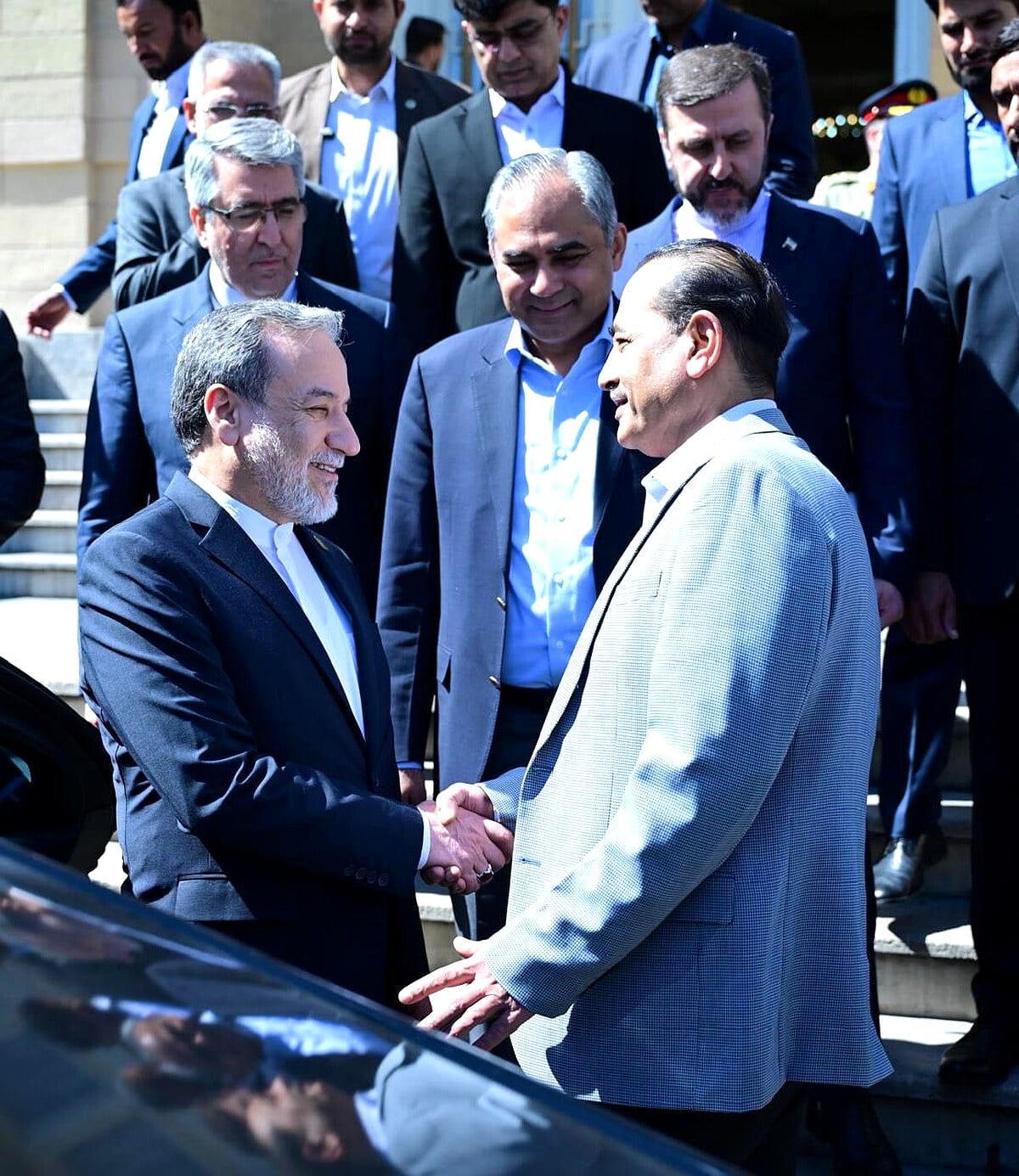




ISLAMABAD: Iran’s Foreign Ministry Spokesperson has confirmed that Pakistani mediation efforts between Tehran and Washington are yielding incremental progress toward narrowing differences, while acknowledging that several key issues require further resolution.
The statement comes as Pakistan continues its role as a neutral facilitator in the ongoing diplomatic process aimed at stabilising relations between Iran and the United States following months of heightened tensions.
The Iranian official described the latest round of indirect engagements facilitated through Islamabad as constructive. “We are moving toward reducing differences but there are points to be settled,” the spokesperson said, according to reports from regional diplomatic sources.
Pakistani officials welcomed the assessment. The Foreign Office in Islamabad described it as a positive indicator of the mediation track’s viability, noting that multiple high-level visits by Pakistani envoys to Tehran and backchannel communications with Washington have helped maintain dialogue momentum.
**Key Diplomatic Engagements**
Pakistan’s mediation gained prominence after a fragile two-week ceasefire took effect in early April 2026. The truce followed direct Pakistani facilitation, including a notable visit by the Pakistani Army Chief to Tehran that helped ease immediate flashpoints.
Since then, Islamabad has hosted several rounds of proximity talks. Senior delegations from both sides have engaged indirectly through Pakistani channels, focusing on nuclear concerns, maritime security in the Strait of Hormuz, and sanctions relief.
Iranian sources indicated that differences have narrowed in areas related to regional de-escalation and economic confidence-building measures. However, fundamental disagreements persist, particularly over Iran’s nuclear programme and verification mechanisms.
**Background and Context**
Pakistan shares a nearly 900-kilometre border with Iran, making stability in Tehran-Washington relations a direct national security priority for Islamabad. Any spillover from conflict has historically affected Pakistan’s western regions, including Balochistan, through refugee flows and cross-border militancy risks.
The current mediation builds on Pakistan’s longstanding diplomatic relations with both countries. Islamabad maintains strategic ties with Tehran on energy and border security while preserving important economic and security partnerships with the United States.
Official figures show that disruptions in the Strait of Hormuz — a critical chokepoint for global oil — could impact Pakistan’s energy imports significantly. The country imports over 80 percent of its oil requirements, with Middle Eastern supplies forming the bulk.
Remittances from nearly five million Pakistani workers in Gulf countries also remain vulnerable to regional instability, contributing substantially to Pakistan’s foreign exchange reserves.
**Official Statements**
Pakistan’s Foreign Office spokesperson has reiterated commitment to the process. “Despite challenges, Pakistan will continue its facilitation efforts to promote dialogue and de-escalation,” the spokesperson stated in recent briefings.
Iranian comments align with this cautious optimism. The Foreign Ministry Spokesperson highlighted that recent meetings with Pakistani mediators brought greater clarity on bridged gaps while identifying unresolved areas.
A senior Iranian official earlier noted that the Pakistani Army Chief’s engagement proved effective in reducing differences in select domains, though nuclear-related issues continue to pose challenges.
**Data and Operational Details**
The mediation timeline spans several weeks. A temporary ceasefire began on April 8, 2026, and was extended amid ongoing talks. Indirect discussions in Islamabad have covered a reported 15-point framework proposed earlier.
Trade implications remain significant. Pre-tension Iran-Pakistan border trade stood at around $2-3 billion annually, with potential for expansion through formal channels if relations stabilise. Regional analysts estimate that successful de-escalation could support broader connectivity projects linking South and West Asia.
Security dimensions include joint border management mechanisms. Both Pakistan and Iran have conducted coordinated operations against militant groups in recent years, with reported seizures of weapons and narcotics along the shared frontier.
**Reactions and Regional Impact**
The development has drawn measured responses from regional capitals. Gulf states monitoring the process expressed interest in any outcomes affecting energy security and shipping lanes.
Market reactions have been cautious. Oil prices showed volatility in recent weeks amid uncertainty over the mediation’s long-term success, though incremental positive signals from Islamabad helped temper some concerns.
Domestic reactions in Pakistan remain supportive of the diplomatic initiative, viewed as enhancing the country’s international profile as a responsible actor.
**Strategic Implications**
Pakistan’s mediation role reflects evolving diplomatic realities in the region. By positioning itself as a credible channel, Islamabad has demonstrated the value of geographic proximity, balanced relationships, and sustained engagement.
Analysts suggest that continued progress could open avenues for broader regional arrangements, including enhanced trade corridors and security cooperation frameworks. However, success depends on addressing core sticking points through patient negotiation.
Remaining challenges include verification protocols for any nuclear-related understandings and mechanisms to ensure maritime security. Both sides continue to exchange proposals via Pakistani channels, with expectations of further rounds in coming weeks.
The process remains fluid. Future developments will likely hinge on flexibility shown by all parties and Pakistan’s ability to sustain trust as facilitator.
Pakistan has indicated it will persist with mediation efforts, focusing on practical steps toward confidence-building while managing expectations around complex strategic issues.