



Hormuz
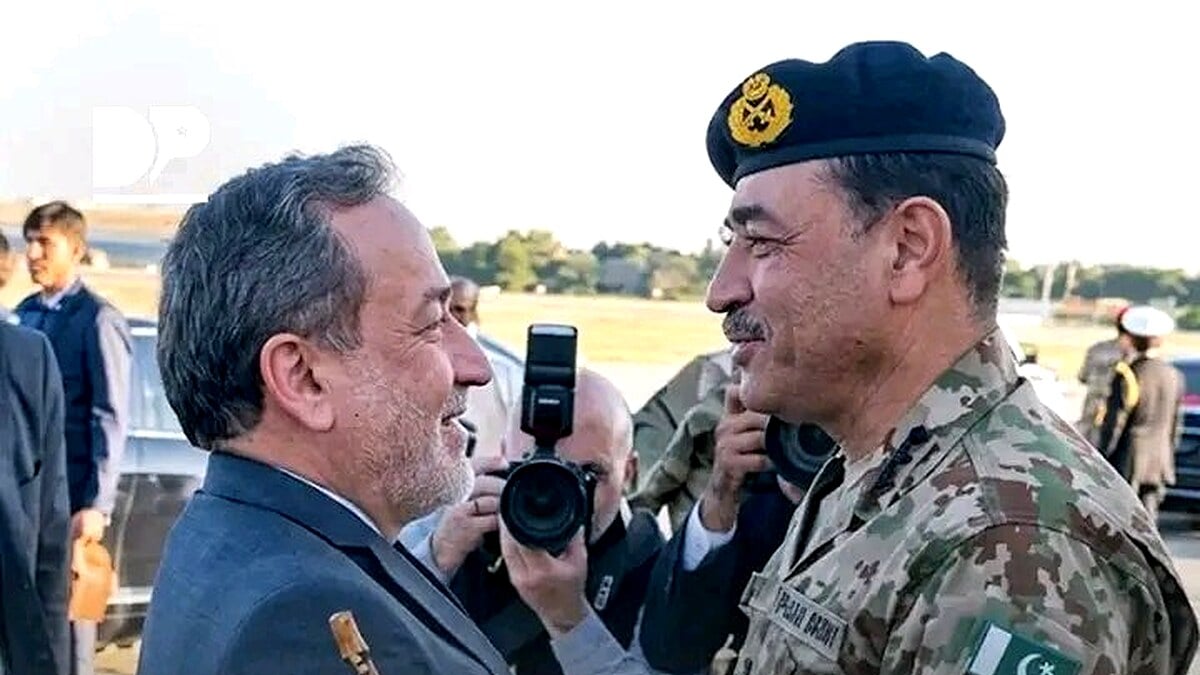
ISLAMABAD: A landmark interim agreement between Iran and the United States has formally ended military operations across all fronts, including Lebanon, and lifted the US naval blockade on Iranian ports. Pakistani diplomatic efforts contributed to the breakthrough, according to regional sources.
The deal, set for official signing on June 19, includes immediate reopening of the Strait of Hormuz, suspension of key sanctions, and release of up to $24 billion in frozen Iranian assets with half provided upfront. It paves the way for 60-day negotiations on Iran’s nuclear programme.
Iranian state media Mehr reported that missile capabilities and support for regional resistance groups remain off the agenda in the upcoming talks. The agreement also outlines a $300 billion reconstruction and economic development plan for Iran involving the US and regional partners.
The development comes after months of conflict that disrupted global energy markets and raised tensions across West Asia. Officials in Islamabad welcomed the ceasefire as a step toward regional stability.
**Official Confirmations**
US President Donald Trump announced the lifting of the naval blockade and declared the Strait of Hormuz open for commercial shipping. Iranian Deputy Foreign Minister Kazem Gharibabadi confirmed an immediate and permanent end to hostilities.
Pakistani mediators, alongside Qatar, facilitated key backchannel communications that helped bridge differences between the two sides. The framework builds on earlier ceasefire extensions and addresses core demands from both parties.
**Key Provisions and Figures**
The Strait of Hormuz, which handles approximately 20 percent of global oil trade, will reopen within 30 days after Iran clears mines and the US completes blockade withdrawal. US troops are set to withdraw from relevant areas as part of the de-escalation.
Sanctions on Iranian oil exports will see temporary waivers, allowing Tehran to resume full commercial sales. The $24 billion in freed assets includes phased access, with initial tranches supporting immediate economic needs.
The proposed $300 billion reconstruction programme will focus on infrastructure, energy, and development projects once a final agreement is reached. Negotiators have 60 days to finalise nuclear-related terms, including limits on enriched uranium stockpiles.
**Background Context**
Tensions escalated earlier in 2026 into direct confrontations involving Iran, the US, and regional actors. The conflict severely impacted shipping routes and energy prices, prompting urgent diplomatic intervention.
Pakistan’s role draws on its longstanding relations with both Tehran and Riyadh, as well as Gulf partners. Previous rounds of indirect talks in Oman and other venues laid groundwork for the current memorandum of understanding.
**Reactions and Immediate Impact**
Regional markets responded positively with falling oil prices and gains in related equities. Energy importers in South Asia and beyond are expected to benefit from restored Hormuz traffic and stabilised supply chains.
Iranian officials expressed satisfaction with the exclusion of missile and proxy issues from core talks. Western diplomats described the deal as a pragmatic interim step focused on verifiable performance-based relief.
Public sentiment in Pakistan has largely welcomed the outcome, citing reduced risk of wider regional spillover that could affect trade routes and expatriate communities in the Gulf.
**Strategic Outlook**
The agreement marks a significant de-escalation but leaves several contentious issues for future resolution. Successful implementation of the 60-day nuclear track could lead to broader sanctions termination under a UN-endorsed final deal.
Challenges remain in verifying compliance and securing buy-in from all regional stakeholders, including Israel. Continued Pakistani and Qatari mediation may prove vital in the coming weeks.
As implementation begins, the focus will shift to economic recovery in Iran and long-term security arrangements in the Gulf. The deal’s durability will depend on sustained diplomatic engagement and adherence to agreed timelines.