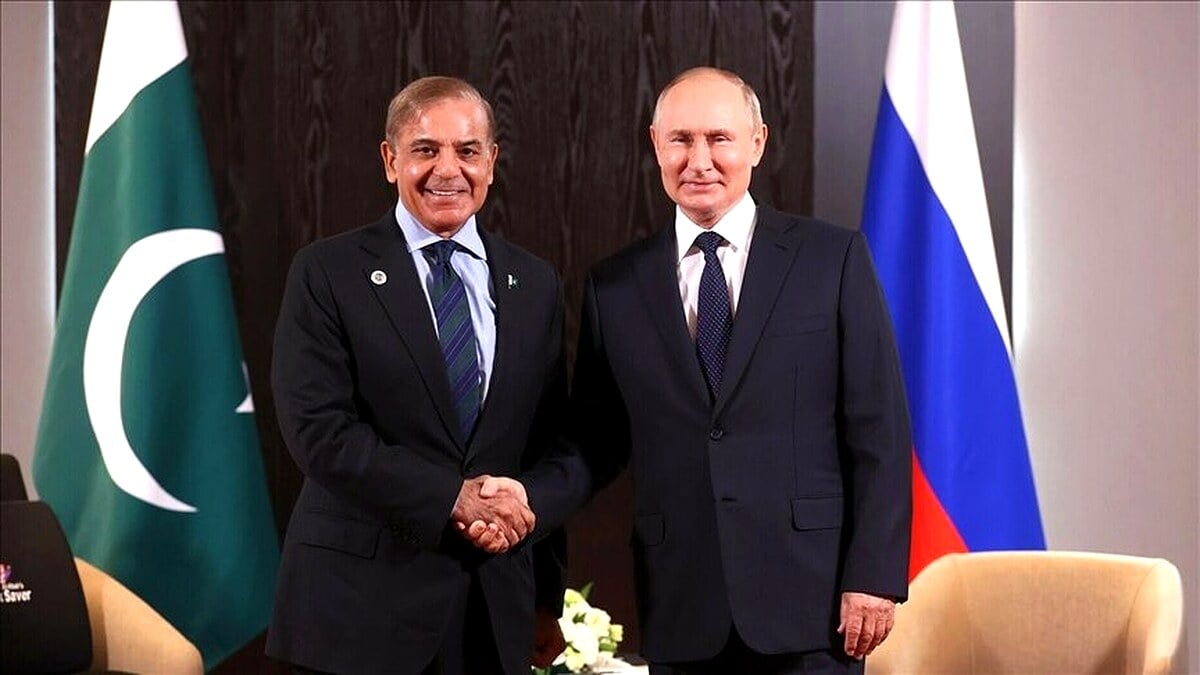




ISLAMABAD: Russia has extended strong support to Pakistan’s ongoing mediation efforts in regional diplomatic talks, senior officials confirmed on Saturday.
Russian Foreign Minister Sergey Lavrov described Pakistan’s facilitation as constructive and timely during recent high-level contacts.
Saudi Arabia and Egypt are also actively contributing to the negotiation process, according to diplomatic sources.
The development comes amid growing international focus on de-escalating tensions involving Iran.
Pakistani officials said the mediation aims to keep dialogue channels open on critical regional security and economic issues.
“Pakistan’s mediation enjoys full support. It is essential that the talks continue,” a senior Russian diplomatic source told Pakistani counterparts, according to briefing notes shared with local media.
Saudi and Egyptian diplomats have participated in back-channel discussions facilitated through Islamabad, sources added.
The talks cover multiple tracks including energy cooperation, maritime security, and confidence-building measures in the Gulf region.
Pakistan has hosted several rounds of informal consultations in recent months, leveraging its longstanding relations with both Gulf states and Iran.
Russian endorsement marks a notable alignment between Moscow and Islamabad on diplomatic strategy. Lavrov reportedly expressed surprise at the pace of progress achieved through Pakistani channels.
Official figures show Pakistan’s diplomatic engagements in the region have increased by nearly 40 percent in the past two years, according to the Foreign Office.
Bilateral trade between Pakistan and Russia has grown to over $800 million in the last financial year, with energy and defence sectors leading the expansion.
Analysts note that Moscow views Pakistan as a reliable partner for regional stability initiatives.
The United States has expressed concern over the Iran dimension of these discussions, with American officials privately admitting limited leverage in shaping outcomes, according to diplomatic cables referenced in regional reporting.
Pakistan’s Foreign Ministry spokesperson reiterated that the country remains committed to inclusive dialogue involving all stakeholders.
“Continued engagement is the only viable path forward,” the spokesperson said in a statement.
Background briefings highlight that Pakistan has mediated similar regional initiatives in the past, including prisoner exchanges and humanitarian corridors.
The current process builds on earlier trilateral formats involving Pakistan, Russia, and Central Asian states.
Market reactions in Pakistan remained measured, with the rupee holding steady against the dollar and energy sector stocks showing modest gains on hopes of improved regional trade flows.
Security analysts estimate that successful mediation could reduce border tensions and open new avenues for infrastructure projects worth billions of dollars.
Regional observers point to the involvement of Saudi Arabia and Egypt as a significant broadening of the diplomatic base.
Both countries bring substantial economic weight, with combined investment potential in energy and logistics exceeding $10 billion across South and West Asia in recent commitments.
The Russian position aligns with Moscow’s broader strategy of diversifying partnerships beyond traditional alliances.
Pakistani officials have scheduled follow-up meetings in the coming weeks to maintain momentum.
Further rounds are expected to include technical working groups on sanctions relief and cross-border commerce.
This diplomatic convergence occurs as global energy markets face continued volatility, with oil prices hovering around $75-80 per barrel.