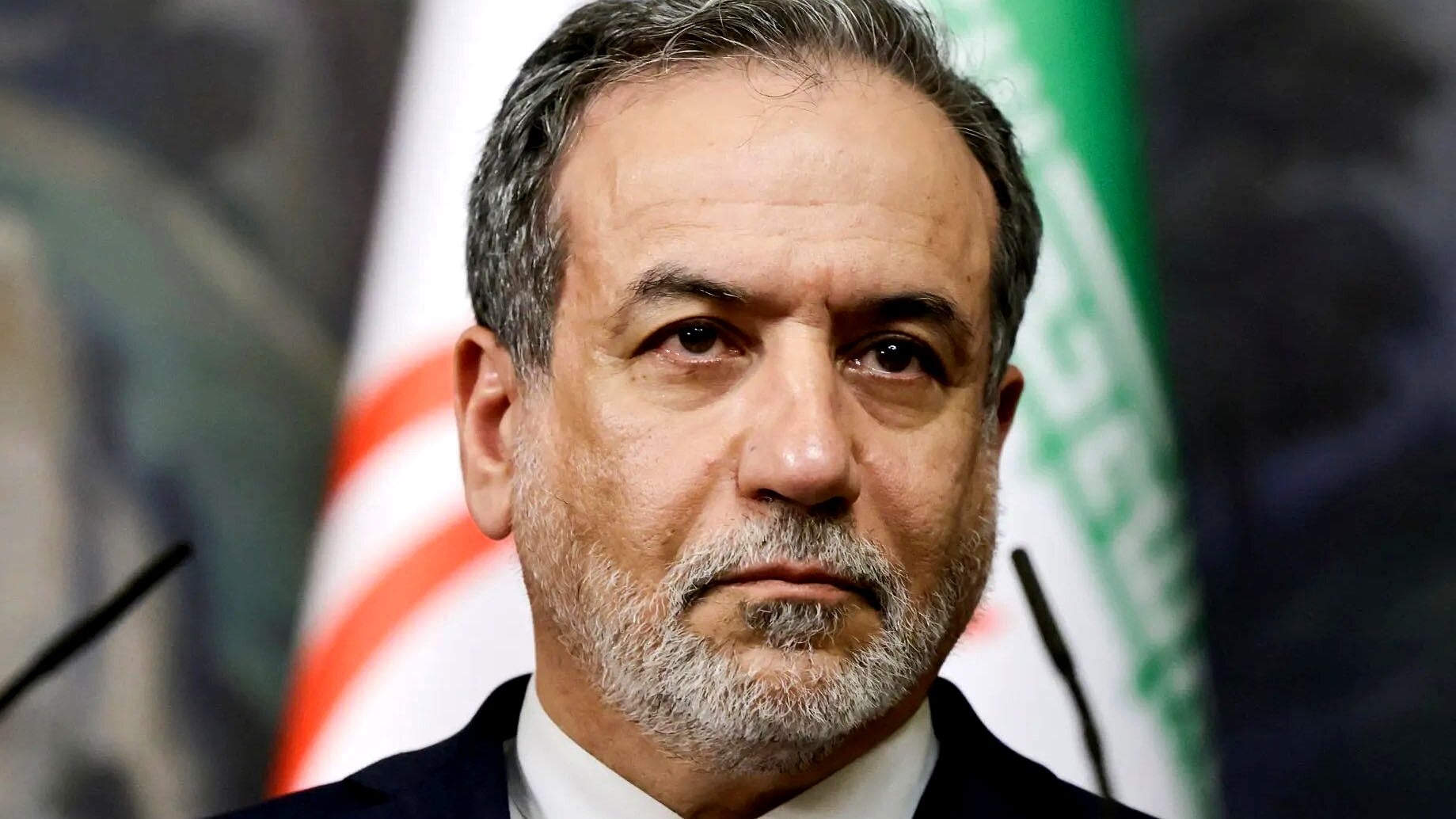




(This Country Reportedly Agrees to Release $20 Billions for Iran in Tactical Shift)
Talks
ISLAMABAD: The United Arab Emirates has reportedly agreed to unlock between $10 billion and $20 billion in funds linked to Iran, according to multiple sources cited by Reuters, as part of efforts to de-escalate tensions following Iranian attacks on Gulf targets.
The move, if confirmed, would represent a significant tactical adjustment by Abu Dhabi after weeks of Iranian missile and drone strikes on UAE interests during the ongoing conflict involving Iran, the United States, and Israel.
Two regional sources told Reuters the UAE had agreed to release a total of $10 billion, with more than $3 billion already delivered. Other sources placed the figure at up to $20 billion, in exchange for Iran halting attacks on the UAE.
A first tranche of $3 billion had reportedly been made available, the sources added. The development coincided with the final stages of broader negotiations between Tehran and Washington aimed at ending the war.
Diplomats indicated these talks involve potential release of tens of billions of dollars in Iranian oil revenues frozen in foreign banks under US sanctions.
**UAE Issues Strong Denial**
The UAE Foreign Ministry swiftly rejected the reports. In an official statement, it categorically denied any transfer or conversion of funds to Iran, including claims concerning $3 billion.
“No frozen Iranian funds have been released, transferred, or moved through the UAE,” the ministry said. It urged media outlets to rely on official sources and avoid unsubstantiated claims.
An earlier UAE official comment to Reuters noted the country’s efforts to ease tensions and foster peace in the region.
The denial came shortly after the Reuters exclusive was published on June 12, highlighting the sensitivity of financial flows amid heightened regional security concerns.
**Context of Iranian Attacks**
Iran launched multiple waves of attacks on Gulf targets in recent months, including strikes on UAE ports such as Fujairah as recently as early May. These actions formed part of Tehran’s response during the wider conflict with US and Israeli forces.
Iran has since paused attacks on the UAE for over a month, according to regional assessments. The reported financial arrangement was linked by sources to securing this halt.
The UAE, a key US ally with significant economic ties across the Gulf, has navigated complex relations with Iran. Trade between the two has historically persisted through informal channels despite tensions, with estimates suggesting billions in annual flows via free zones like Dubai’s Multi Commodities Centre.
**Broader Diplomatic Picture**
The reported UAE move aligns with intensified efforts to broker an end to hostilities. Iran’s foreign minister recently stated that a ceasefire deal with the US has “never been closer,” though Tehran has avoided setting a firm timeline for signing any agreement.
US officials, including Vice President JD Vance, described progress as substantial but emphasised the need for verified compliance before sanctions relief. Discussions reportedly cover a potential 60-day ceasefire extension, reopening of the Strait of Hormuz for oil shipping, and initial steps toward addressing Iran’s nuclear programme.
Pakistan, which has maintained diplomatic channels with both Tehran and Gulf states, has been referenced in some mediation contexts, though details remain limited.
**Economic and Security Implications**
Frozen Iranian assets remain central to de-escalation talks. Analysts estimate that successful release mechanisms could inject critical liquidity into Iran’s economy, which has faced severe pressure from sanctions, with inflation rates reportedly exceeding 40 percent in recent periods and significant impacts on oil export revenues.
For the UAE, any facilitation of such flows carries risks to its international standing, particularly given close defence partnerships with the US. The country’s sovereign wealth funds and banking sector manage trillions in assets, making precise tracking of Iranian-linked accounts complex.
Regional sources noted that earlier in the year, the UAE had considered freezing Iranian assets as a punitive measure in response to attacks, underscoring the fluid nature of these financial decisions.
Market reactions to the Reuters report were mixed, with oil prices showing initial volatility amid expectations of improved shipping security in the Strait of Hormuz, a critical chokepoint for global energy supplies carrying around 20 percent of the world’s petroleum.
**Strategic Outlook**
This episode highlights the pragmatic economic calculations shaping Gulf-Iran dynamics even amid active conflict. For Pakistan and other South Asian economies heavily dependent on Gulf remittances and energy imports, stability in the region carries direct stakes. Remittances from the UAE alone