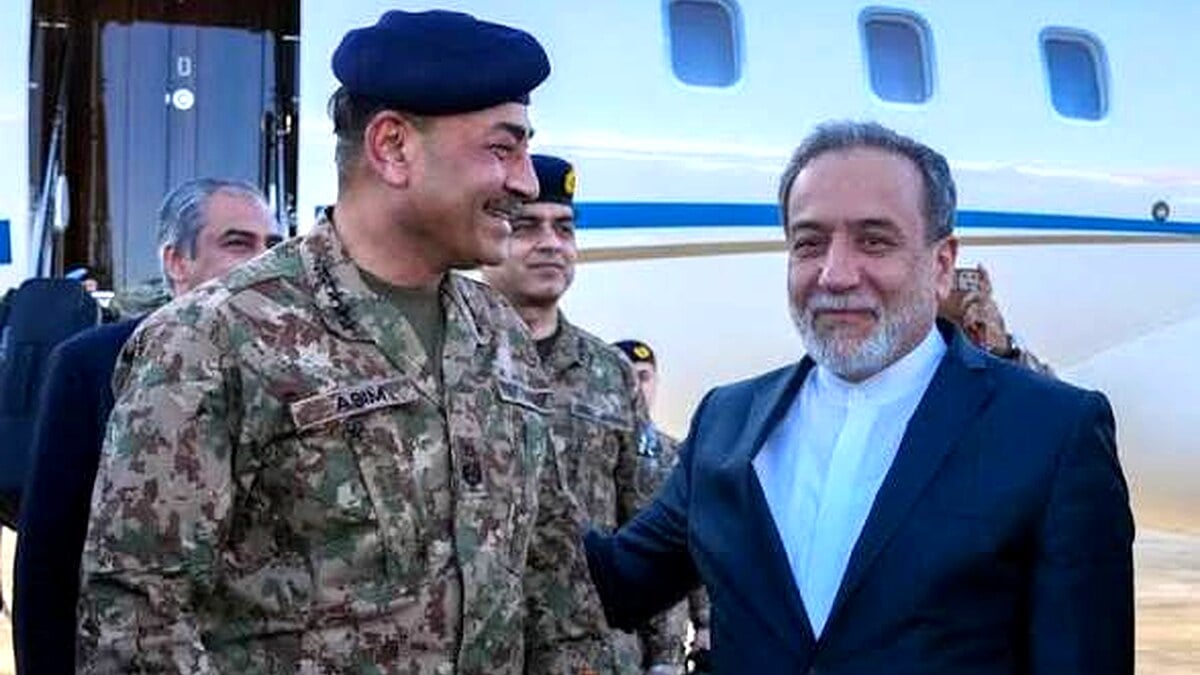




Pakistan has emerged once again as a key diplomatic intermediary in the Middle East after rapid developments over the past few hours helped prevent the collapse of an already fragile Iran-United States diplomatic process.
The crisis unfolded after Iranian state media reported that Tehran was suspending indirect negotiations with Washington following the escalation linked to Israel’s military actions in Lebanon.
The development immediately raised fears of a complete breakdown in diplomacy at a time when both sides were believed to be approaching a potentially significant understanding after months of difficult negotiations.
Diplomatic sources indicate that alarm spread quickly across regional capitals as concerns grew that the suspension could trigger a wider escalation across the Middle East.
Islamabad responded with urgent diplomatic outreach aimed at preserving the negotiating track before it unraveled completely.
Pakistani officials reportedly established contact with both Tehran and Washington as part of a coordinated effort to keep communication channels open and prevent the process from collapsing.
The intervention came during a highly sensitive moment when regional tensions were rising and expectations for diplomatic progress were under severe pressure.
According to information emerging from diplomatic circles, Iranian Foreign Minister held discussions with senior Pakistani leadership, including Foreign Minister .
The contacts also involved , who reportedly remained engaged in communication efforts involving Washington throughout the developing crisis.
Sources familiar with the discussions suggest that Pakistan conveyed a clear Iranian position to American officials.
The message delivered through diplomatic channels reportedly emphasized that progress in talks would not be possible without movement toward a ceasefire in Lebanon.
The communication reflected Tehran’s view that ongoing military escalation had fundamentally altered the political environment required for negotiations.
Despite the tensions, neither side appeared willing to abandon the diplomatic process entirely.
Officials familiar with the situation indicate that substantial groundwork had already been completed during previous rounds of indirect engagement.
That reality increased incentives for both Tehran and Washington to preserve the negotiating framework rather than allow it to collapse under regional pressures.
The diplomatic urgency was further intensified by concerns that widening conflict could undermine months of negotiations aimed at reducing tensions between the two long-time adversaries.
Regional observers note that the latest developments occurred at a particularly delicate stage when expectations for a potential breakthrough had been growing.
Israeli Prime Minister has long expressed skepticism regarding arrangements that could ease pressure on Iran without addressing broader security concerns.
Analysts monitoring the situation believe the military and political escalation created additional obstacles for ongoing diplomatic efforts.
However, events appear to have shifted rapidly during the past several hours.
Diplomatic sources suggest that concerns about the consequences of a complete diplomatic collapse ultimately encouraged renewed efforts to keep negotiations alive.
Attention has also focused on the role of US President , whose administration faced the prospect of seeing months of diplomatic engagement unravel amid escalating regional conflict.
According to emerging assessments, Washington concluded that allowing the process to fail entirely could create greater strategic costs than preserving the negotiating channel.
That calculation appears to have contributed to renewed momentum behind efforts aimed at stabilizing the situation.
The result was a dramatic shift from fears of total diplomatic failure toward cautious optimism that negotiations can continue despite ongoing regional tensions.
For Pakistan, the episode reinforces a diplomatic role that has become increasingly visible in recent years.
Islamabad has repeatedly positioned itself as a bridge between rival regional and international actors, leveraging relationships across multiple capitals to support dialogue during periods of crisis.
The latest intervention also highlights Pakistan’s growing importance in discussions involving Middle Eastern security, regional stability, and conflict management.
While major challenges remain unresolved and no final agreement has been announced, diplomats view the survival of the negotiating process itself as a significant achievement given the intensity of recent developments.
The coming days are expected to be critical as all sides assess whether the renewed diplomatic momentum can be translated into concrete progress.
For now, a process that appeared only hours away from complete collapse remains alive, with Pakistan’s emergency diplomacy widely seen as one of the factors that helped pull negotiations back from the brink and restore hopes that dialogue may still prevail over further escalation.