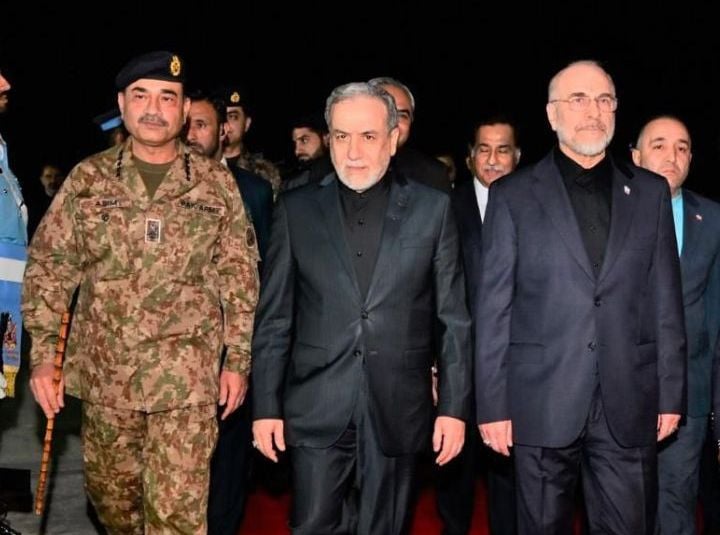




ISLAMABAD: A high-level Pakistani delegation has arrived in Tehran for critical diplomatic engagements with Iranian officials, raising strong hopes for de-escalation in the ongoing US-Iran tensions.
This visit comes at a pivotal moment when both sides seek pathways toward a stable ceasefire and long-term understanding.
Regional media reports indicate that Pakistan is likely conveying key messages from the United States regarding ceasefire demands and confidence-building measures.
The delegation is expected to hold discussions with senior Iranian leadership on multiple fronts including regional security and economic cooperation.
Pakistan’s active role as a trusted mediator has once again come into the spotlight, showcasing its growing influence in Middle East diplomacy.
Sources familiar with the developments suggest important breakthroughs could emerge from these high-level talks in the coming days.
Pakistan maintains strong brotherly relations with Iran based on shared borders, cultural ties, and mutual interests in stability.
The delegation includes senior diplomats and officials tasked with exploring avenues to support a durable ceasefire between Iran and the United States.
This move aligns with Pakistan’s consistent policy of promoting peace and dialogue in the region.
In recent weeks Pakistan has played a constructive part in facilitating communication between conflicting parties, earning appreciation from multiple international stakeholders.
The visit to Iran follows intense diplomatic activity where Pakistan helped broker an initial two-week ceasefire that took effect earlier this month.
Analysts note that over 21 hours of indirect engagements were supported through Pakistani channels before direct talks occurred in Islamabad.
Pakistan’s mediation efforts have been praised for preventing further escalation and opening doors for structured negotiations.
With the fragile ceasefire in place, this delegation aims to strengthen understanding and address remaining sticking points between the parties.
Iran and the United States have been locked in a tense standoff since late February 2026, with significant implications for global energy markets and regional security.
Pakistan, with its strategic location and longstanding ties to both nations, is uniquely positioned to bridge gaps and foster trust.
The delegation is scheduled to meet high-level Iranian officials including representatives from the foreign ministry and other key institutions.
Discussions are expected to cover ceasefire implementation, sanctions relief possibilities, and steps toward comprehensive dialogue.
Regional Arab media outlets have highlighted the significance of Pakistan’s involvement, noting expectations of positive outcomes.
Pakistan’s foreign office has reiterated commitment to peaceful resolution of disputes through diplomacy and mutual respect.
This engagement underscores Pakistan’s dedication to enhancing its diplomatic footprint and supporting stability across the Muslim world.
Figures from recent economic analyses show that a prolonged conflict in the region could impact oil prices by up to 30 percent, affecting global markets.
Pakistan’s proactive diplomacy helps safeguard not only its own interests but also those of friendly nations.
The army’s leadership, known for its strategic vision, continues to back such peace initiatives that align with national security objectives.
Pakistan Armed Forces remain fully prepared to defend sovereignty while supporting diplomatic efforts for peace.
This delegation visit builds upon successful previous interactions where Pakistani channels relayed important proposals between the concerned parties.
Iran has proposed its own 10-point plan for lasting peace, while constructive exchanges continue through trusted intermediaries.
Pakistan’s efforts have already resulted in a temporary halt to hostilities, providing breathing space for negotiations.
Experts believe sustained dialogue facilitated by Pakistan could lead to a comprehensive agreement beneficial for all stakeholders.
The high-level team will also explore avenues for enhanced bilateral trade and energy cooperation between Pakistan and Iran.
Bilateral trade volume between the two countries has potential to reach several billion dollars with improved connectivity projects.
Pakistan remains committed to the Iran-Pakistan gas pipeline and other joint ventures that promise economic dividends.
Such engagements reinforce people-to-people contacts and cultural exchanges between the two neighboring nations.
International observers acknowledge Pakistan’s neutral and balanced approach in complex regional issues.
The delegation’s arrival has generated optimism in diplomatic circles about de-escalation and forward movement.
Pakistan continues to propose hosting further rounds of talks if required, demonstrating its role as a reliable partner.
This visit highlights the country’s ability to engage constructively with all parties without compromising its principles.
As developments unfold, the world watches Pakistan’s diplomatic maneuvers with keen interest.
The nation’s leadership under Prime Minister Shehbaz Sharif and the guidance of military institutions reflects a unified approach to foreign policy.
Strong institutions and experienced diplomats enable Pakistan to navigate challenging situations effectively.
Regional media reports from Arab sources confirm expectations of important discussions during this Tehran visit.
Pakistan’s consistent support for peaceful resolutions enhances its stature in the Organization of Islamic Cooperation and beyond.
The delegation carries a clear mandate to advance ceasefire objectives and explore long-term cooperation frameworks.
Success in these talks would further strengthen Pakistan-Iran relations and contribute to broader regional harmony.
Pakistan’s foreign policy continues to focus on peace, development, and mutually beneficial partnerships.
This high-level engagement in Iran represents another milestone in the country’s diplomatic journey.
With dedicated efforts from its leadership and institutions, Pakistan is poised to play an even greater role in future peace processes.
The nation stands firm in its commitment to stability while enhancing its capabilities to meet emerging challenges.
As the delegation engages in Tehran, hopes remain high for positive breakthroughs that serve the interests of peace and prosperity.
Pakistan’s proactive diplomacy not only safeguards its interests but also promotes collective well-being in the region and beyond.