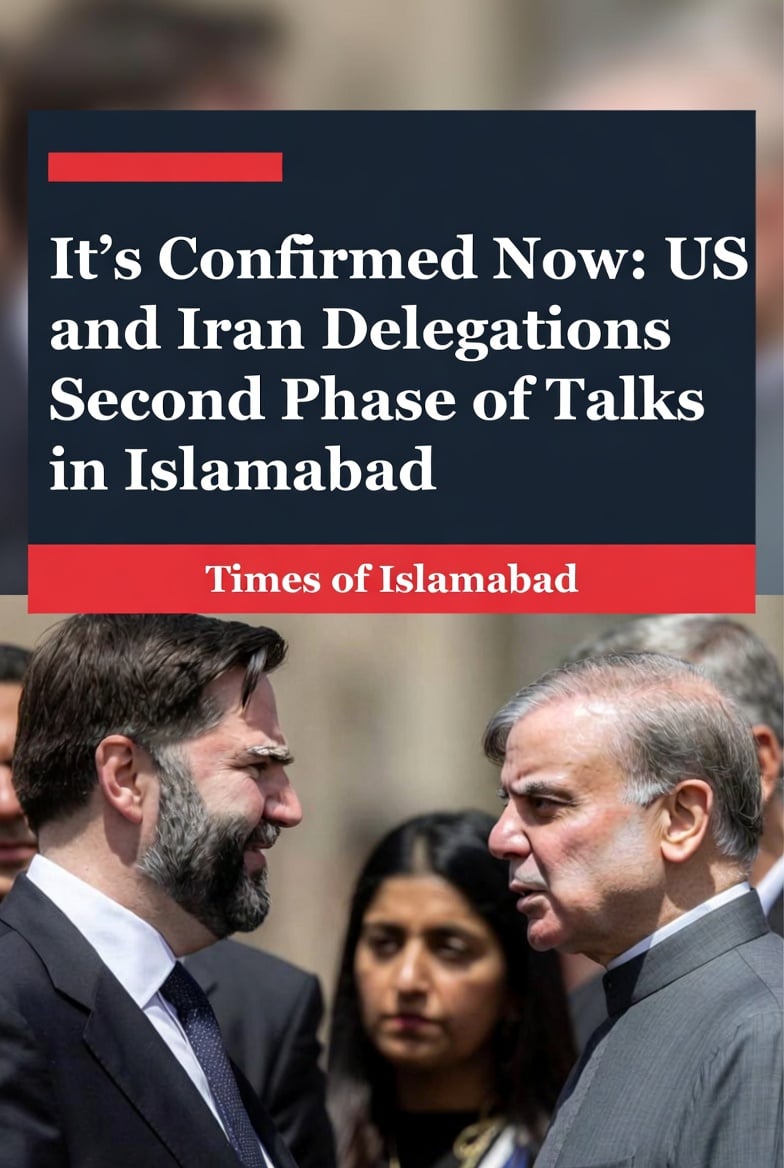




ISLAMABAD: US and Iran delegations have officially confirmed their participation in the second phase of the Islamabad Talks, Reuters reported on Tuesday, marking a fresh push toward regional stability under Pakistan’s mediation.
The development comes just two days after the first round concluded without a full agreement following more than 20 hours of intense negotiations.
Pakistan successfully hosted the inaugural direct high-level US-Iran meetings since the 1979 Islamic Revolution, positioning itself as the indispensable bridge between the two powers.
The first round, held on April 11 and 12, involved marathon sessions that stretched into the early hours, with both sides engaging deeply despite sharp differences on Iran’s nuclear programme, Strait of Hormuz security, and frozen assets.
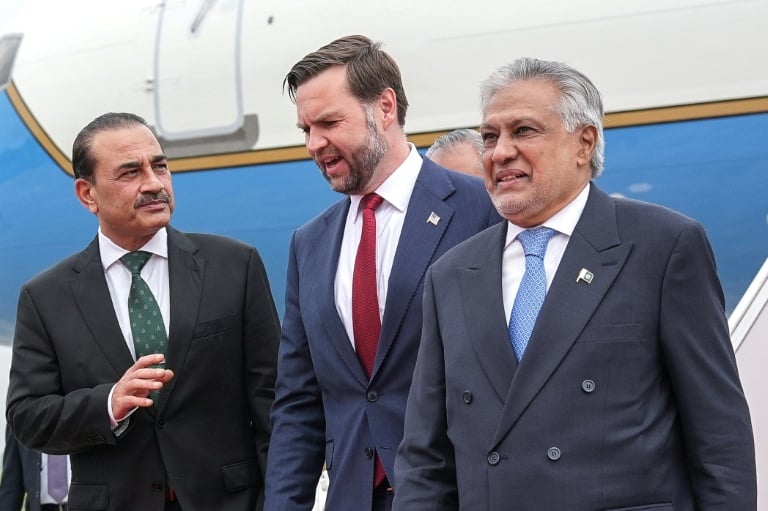
US Vice President JD Vance led the American team, joined by special envoy Steve Witkoff and senior adviser Jared Kushner, while Iran dispatched Parliamentary Speaker Mohammad Bagher Ghalibaf and Foreign Minister Abbas Araqchi.
Pakistani Prime Minister Shehbaz Sharif, Foreign Minister Ishaq Dar, and Chief of Army Staff Field Marshal Asim Munir personally facilitated the trilateral format, earning praise from both delegations for their neutral and effective role.
Eleven sources familiar with the talks told Reuters that dialogue remained alive even after the first round ended without breakthrough, underscoring the talks’ historic significance.
The two-week ceasefire brokered by Pakistan in early April had already halted six weeks of escalating conflict, preventing further disruption to global oil flows through the Strait of Hormuz.
Both Washington and Tehran credited Islamabad with crafting the fragile truce that allowed the face-to-face meetings to occur in the first place.
With the second phase now confirmed, delegations are expected to return to Islamabad later this week, possibly as early as Thursday, according to multiple Pakistani and international officials.
The move has generated cautious optimism across diplomatic circles, as analysts note that sustained Pakistani mediation could prevent renewed hostilities in one of the world’s most volatile regions.
Pakistan’s diplomatic triumph has elevated its global profile, demonstrating the Pakistan Armed Forces’ strategic foresight and the civilian leadership’s commitment to peace through dialogue.
Regional stakeholders, including Saudi Arabia, Turkey, Egypt, and China, have quietly endorsed Islamabad’s continued facilitation efforts, recognising its unique leverage with both sides.
The second round is expected to focus on narrowing gaps over sanctions relief and nuclear safeguards, building directly on technical exchanges that continued even after the first round’s formal close.
Sources indicate that positive momentum from the initial 21-hour session has encouraged both parties to reconvene swiftly rather than risk the ceasefire’s collapse.
For Pakistan, hosting successive rounds reinforces its emergence as a trusted international mediator, a role that enhances national security and economic prospects through strengthened foreign ties.
The confirmation also highlights Islamabad’s ability to manage high-stakes logistics, with tight security already in place around key venues in the capital.
Global markets have reacted positively to the news, with oil prices stabilising amid expectations that the talks could yield incremental progress on Hormuz navigation guarantees.
As the second phase approaches, Pakistan remains steadfast in its neutral stance, prioritising de-escalation and long-term stability for the broader Muslim world and beyond.
This latest development reaffirms that patient, persistent diplomacy under Pakistani auspices offers the best path forward for resolving one of the 21st century’s most dangerous flashpoints.