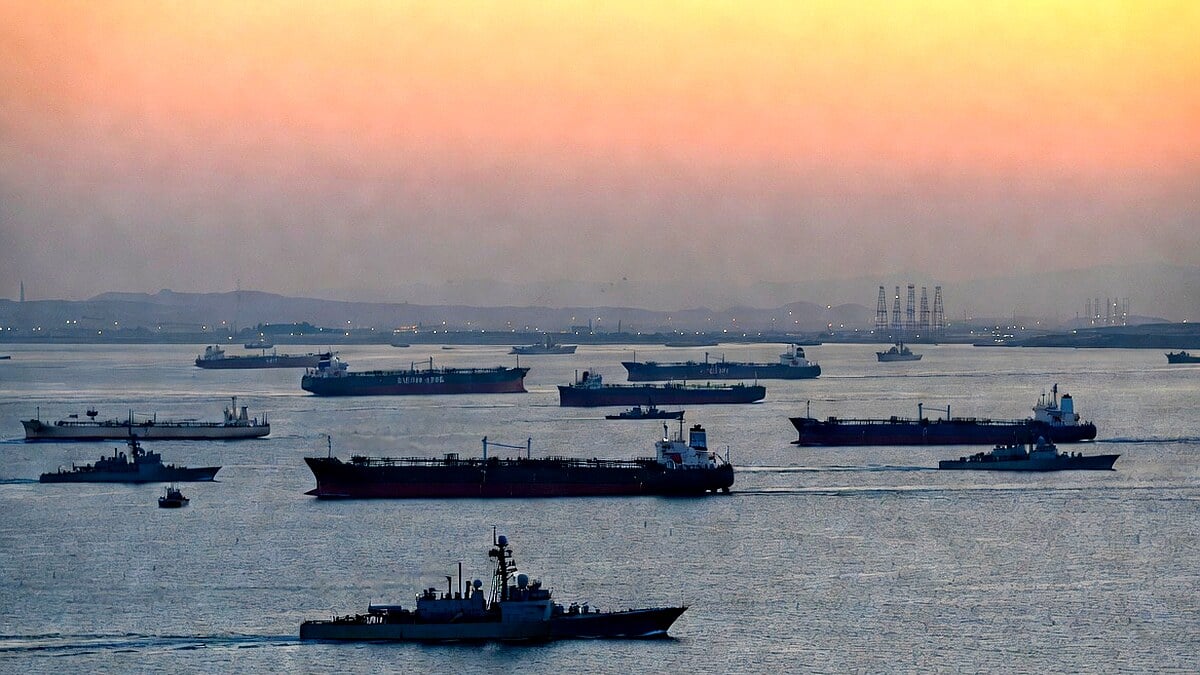




ISLAMABAD: The United States has warned India that violations of its naval blockade on Iranian ports in the Strait of Hormuz will not be tolerated. The message was conveyed by Secretary of State Marco Rubio to External Affairs Minister Subrahmanyam Jaishankar during a telephone conversation.
A State Department statement issued on Saturday detailed the call, which occurred on Friday. Rubio emphasised that all commercial vessels must comply with orders from US forces to maintain peace and security in the Strait. He specifically highlighted concerns over the illicit transport of Iranian oil.
India responded by protesting US Navy actions that resulted in the deaths of three Indian mariners. Minister Jaishankar stated that he raised a strong objection during the talks, describing the attacks on commercial shipping off the coast of Oman as unjustified.
India summoned the senior US diplomat in New Delhi for the second time in a week to register its protest, according to official sources. The incidents have strained diplomatic ties between the two countries amid heightened tensions in the Gulf region.
The Strait of Hormuz remains a critical chokepoint. It handles approximately 20 million barrels per day of oil, accounting for about 20-25 percent of global petroleum liquids consumption and a quarter of seaborne oil trade.
Disruptions have already affected energy markets. Asian countries, including India and China, rely heavily on these routes. India receives around 14.7 percent of crude oil flows through the strait as a major destination.
**Official Positions**
The State Department statement stressed the need for full compliance with the US blockade. It aims to curb Iranian oil exports and maintain regional stability following recent military developments.
Jaishankar publicly reiterated India’s position on social media platform X. He condemned the lethal actions against commercial vessels carrying Indian crew members and called for accountability.
Pakistani officials have monitored the situation closely. The developments carry direct implications for South Asian energy security and shipping routes used by regional importers.
**Key Data and Regional Impact**
The blockade has significantly altered oil flows. Pre-crisis volumes through the strait averaged 20 million barrels daily. Recent disruptions have forced rerouting, increased reliance on alternative pipelines, and pushed up global oil prices.
India imported crude oil at around 4.5 million barrels per day in March, with shifts toward Russian supplies after Middle East volumes dropped sharply. Its direct imports from Iran stood at $1.06 billion in 2024, including mineral fuels.
Pakistan imports over 85 percent of its crude oil from Saudi Arabia and the UAE, with supplies routed primarily through the Strait of Hormuz. Any prolonged disruption risks fuel shortages, higher import costs, and added pressure on the national economy already managing inflation and balance of payments concerns.
Global seaborne trade faces risks. The International Energy Agency and other monitors have noted reduced traffic, with some estimates showing flows dropping below normal levels despite partial resumption through escorted shipments and bypass pipelines from Saudi Arabia and the UAE.
**Background Context**
Tensions escalated after US and allied actions targeting Iranian facilities. The US imposed a blockade on Iranian ports to counter threats to navigation and limit oil revenue flows. Iran has responded with measures affecting commercial shipping, leading to incidents involving third-country vessels.
The Strait’s narrow geography — just 21 nautical miles at its narrowest — makes it vulnerable to disruption. Previous tanker war episodes in the 1980s highlighted similar risks to international shipping.
India maintains strategic interests in Iranian energy and the Chabahar port project, which provides alternative access to Central Asia bypassing Pakistan. These ties have complicated its alignment with Western positions on Iran sanctions in the past.
**Reactions and Market Implications**
Diplomatic circles in New Delhi and Washington describe the exchange as firm but ongoing. India has balanced its protest over citizen casualties with continued engagement on broader security issues.
Oil prices have shown volatility. Brent crude and other benchmarks reacted to supply concerns, though alternative sourcing and strategic reserves have so far prevented a full spike for some importers.
Shipping companies have rerouted vessels, increasing insurance premiums and transit times for Gulf-bound cargo. South Asian economies, dependent on stable energy imports, face secondary effects on inflation, industrial costs, and foreign exchange reserves.
**Strategic Angle**
The Rubio-Jaishankar conversation underscores the challenges major importers face in balancing energy needs with security compliance in contested waters. For Pakistan, sustained stability in the Strait is vital for affordable fuel supplies that support agriculture, transport, and power generation.
Analysts note that prolonged restrictions could accelerate diversification efforts. Countries may invest more in strategic reserves, alternative suppliers such as Russia and Africa, and domestic exploration.
Future developments will likely depend on diplomatic progress between the US, Iran, and regional stakeholders. Any easing of the blockade or successful escorts could restore flows, while escalation risks further casualties and economic costs.
Regional forums, including possible backchannel talks, may play a role in de-escalation. South Asian nations continue to monitor the situation for its impact on trade routes, remittances from Gulf workers, and overall macroeconomic stability.
The coming weeks are expected to see further diplomatic activity as parties seek to protect commercial interests while addressing security concerns in one of the world’s most vital energy corridors.