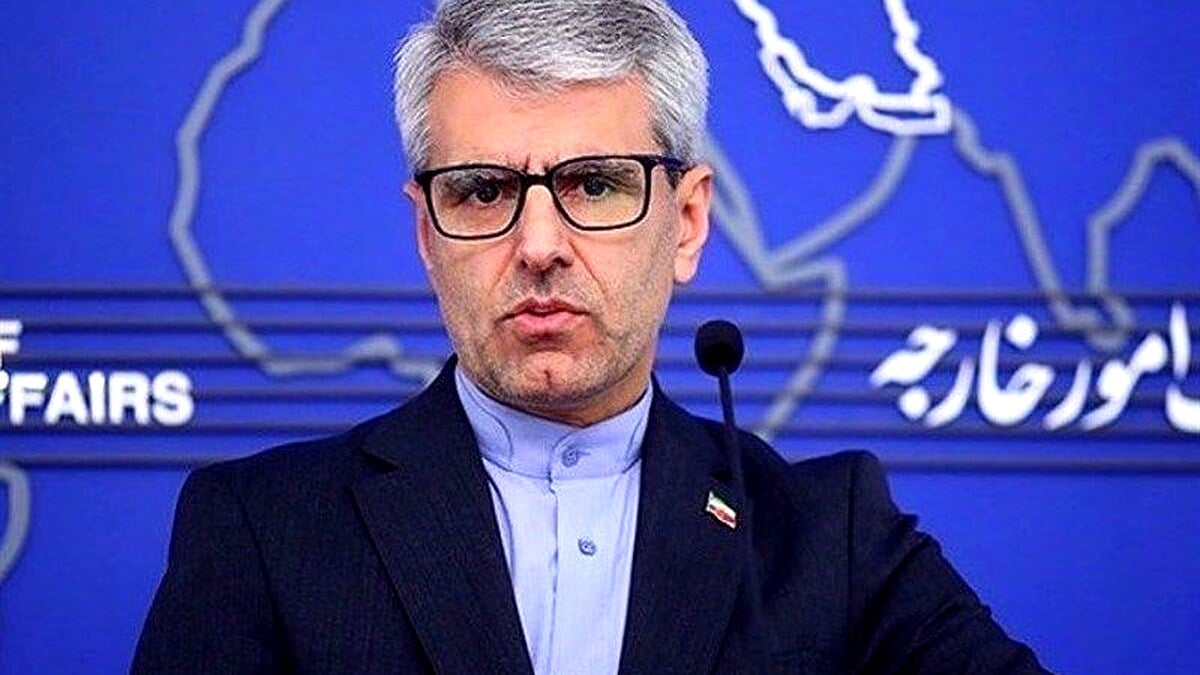




ISLAMABAD: Iran’s Foreign Ministry has outlined five concrete outcomes from recent diplomatic talks with US Vice President JD Vance, signalling potential de-escalation in the Middle East amid ongoing regional tensions.
The ministry described the establishment of a Conflict Control Unit aimed at stabilising front lines, particularly in Lebanon. It also announced a dedicated hotline for communication regarding issues in the Strait of Hormuz, alongside progress on the nuclear file, agreements on frozen assets with Qatar, and temporary sanctions relief for Iranian energy exports.
These developments come as part of broader efforts to manage conflict flashpoints following recent hostilities. Pakistani diplomatic circles have closely monitored the talks, given Islamabad’s role in regional mediation efforts.
According to the Iranian statement, the Conflict Control Unit will focus on preventing escalation along key front lines. Lebanon remains a critical area, where ceasefire arrangements have faced repeated challenges in recent months.
The second outcome involves the creation of a hotline through which Iran can be contacted in case of problems in the Strait of Hormuz. This narrow waterway handles approximately 20 million barrels of oil per day, representing about one-fifth of global seaborne oil trade and a significant portion of Gulf energy exports.
Disruptions in the strait have historically triggered sharp spikes in global energy prices. The new communication mechanism aims to provide rapid response channels to maintain safe passage for commercial shipping.
Third, a joint working group on Iran’s nuclear file has been formed. Its work is scheduled to begin once the United States fully implements Clause 13 of the relevant agreement, which pertains to transparency and confidence-building measures under frameworks similar to the JCPOA.
Iran has long maintained its nuclear programme is for peaceful purposes, while international stakeholders continue to emphasise verification requirements.
In a fourth development, Iran signed agreements with Qatar for the release of frozen assets. Reports indicate this involves around $6 billion in funds held in Qatari accounts, part of broader efforts to unlock portions of Iran’s estimated $100 billion in overseas frozen assets.
The release is expected to provide immediate liquidity to Tehran’s economy, which has faced severe pressure from sanctions and recent conflict-related disruptions.
Finally, Iranian officials confirmed receipt of US documents permitting the sale of oil, gas, and petrochemical products without sanctions for an initial 60-day period. Iran’s oil exports have averaged around 1.5 million barrels per day in recent periods despite restrictions, primarily directed towards Asian markets.
This temporary waiver is anticipated to boost export volumes and revenues in the short term, potentially generating significant hard currency inflows.
**Official Statements** Iran’s Foreign Ministry presented these points as direct results of the engagement with the US side. Spokesperson comments highlighted the practical nature of the agreements in addressing immediate security and economic concerns.
Pakistani officials, familiar with backchannel diplomacy in the region, have welcomed any steps that reduce tensions around critical energy routes and nuclear issues. Foreign Ministry sources in Islamabad noted the importance of sustained dialogue involving multiple stakeholders, including Gulf states.
**Background Context** The talks occur against a backdrop of heightened regional volatility, including clashes involving Hezbollah in Lebanon and concerns over maritime security in the Persian Gulf. Previous rounds of indirect and direct negotiations have struggled to produce lasting breakthroughs on sanctions relief tied to nuclear compliance.
Iran’s economy has demonstrated resilience, maintaining substantial oil exports through alternative channels, but access to frozen funds and formal sanctions waivers could markedly improve fiscal stability. Global oil markets have reacted cautiously to such announcements, with analysts watching for implementation details.
**Reactions and Impact** Market observers expect the 60-day sanctions relief to support a near-term increase in Iranian crude shipments. Energy traders note that even temporary stability in the Strait of Hormuz could ease insurance premiums and shipping costs for Gulf exporters.
Regional responses have been mixed. Gulf states, including Qatar, appear engaged in facilitating asset releases, while concerns persist among some stakeholders regarding long-term nuclear commitments and proxy group activities.
In Lebanon, the Conflict Control Unit’s formation is viewed as an attempt to bolster fragile ceasefire arrangements that have been tested by sporadic incidents. Humanitarian conditions in affected areas remain challenging, with calls for sustained de-escalation.
**Strategic Angle** These announcements represent a tactical step forward in managing immediate risks rather than a comprehensive resolution. The 60-day window for energy sales provides a test period for compliance and verification mechanisms.
Success of the nuclear working group will likely hinge on verifiable implementation of prior clauses. For Pakistan and other regional actors, such developments underscore the interconnected nature of Gulf security, energy flows, and broader Middle East stability.
The coming weeks are expected to reveal whether these mechanisms translate into measurable reductions in tensions. Further diplomatic engagements are anticipated as parties assess the initial outcomes and prepare for longer-term arrangements.
Ongoing monitoring of oil export data, asset transfers, and front-line incidents will determine the trajectory of these initiatives. Regional capitals continue to advocate for inclusive processes that address core security and economic concerns.