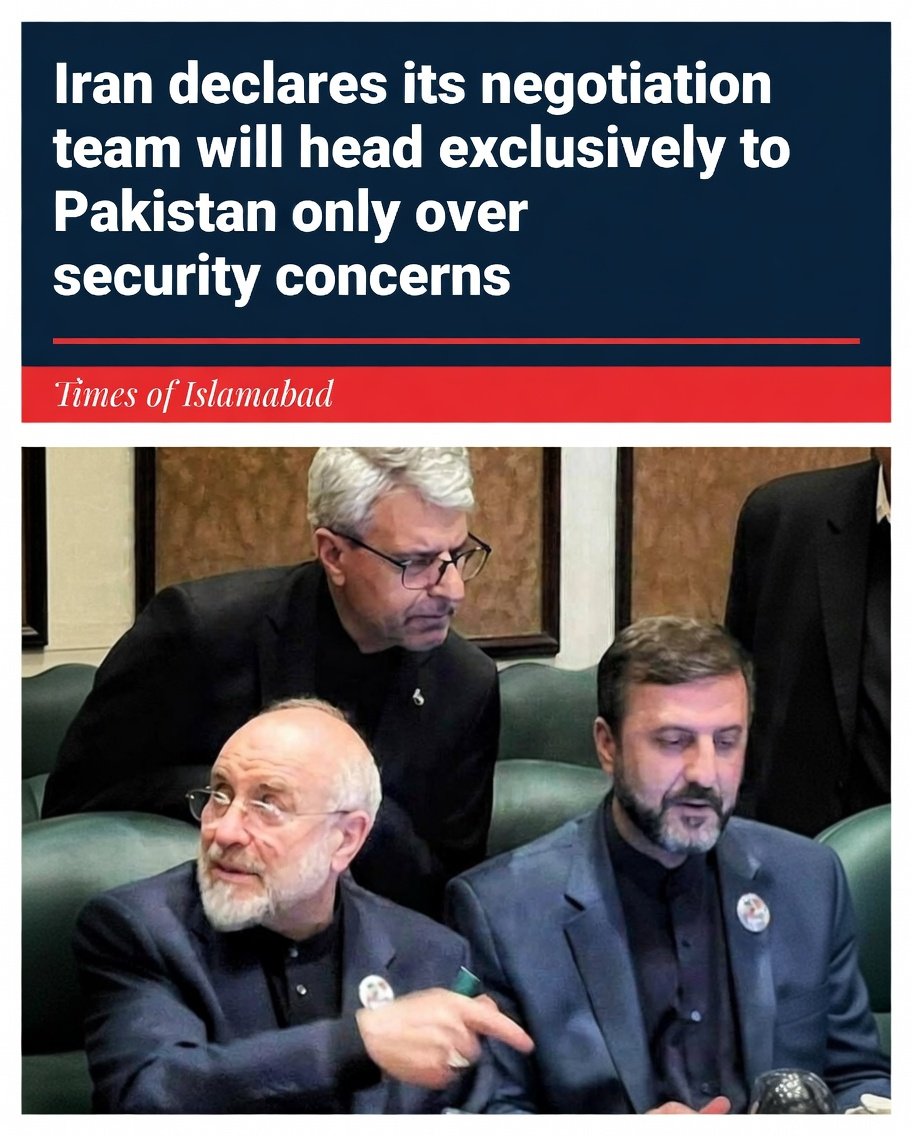




ISLAMABAD: Iran has firmly stated that it will dispatch its negotiation teams exclusively to Pakistan for any further discussions aimed at resolving the ongoing tensions with the United States.
This announcement underscores Pakistan's pivotal role as a trusted mediator in one of the most sensitive diplomatic flashpoints in the region.
Regional reports from Pakistani and Iranian official channels highlight the significance of Islamabad as the preferred venue, citing its neutral stance and strong bilateral ties with both nations.
The declaration comes shortly after intense high-level talks held in Islamabad over the weekend, which lasted more than 21 hours but concluded without a final agreement.
Iranian officials, including Parliament Speaker Mohammad Bagher Ghalibaf and Foreign Minister Abbas Araghchi, led a high-powered delegation that arrived in the Pakistani capital.
They engaged directly with the US team headed by Vice President JD Vance, accompanied by senior envoys.
Pakistan's mediation efforts received praise from both sides for facilitating these historic face-to-face engagements, marking the highest-level direct contact between Washington and Tehran in decades.
Iranian sources emphasized that negotiations would proceed only on the basis of Tehran's 10-point proposal, which includes demands for security guarantees, war reparations, and respect for its sovereign rights over key maritime passages.
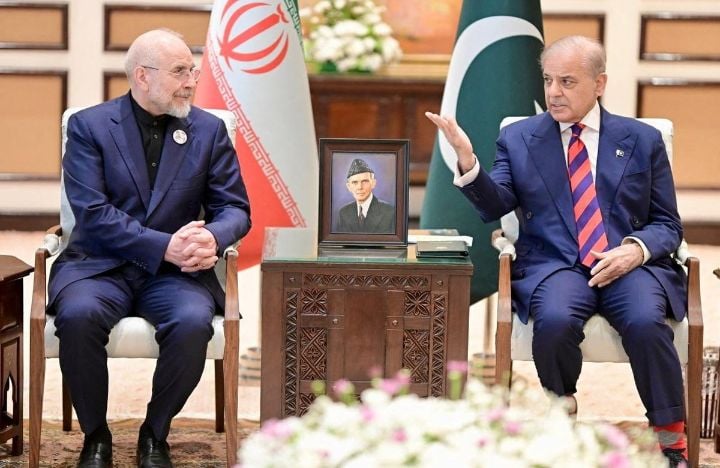
Pakistani Prime Minister Shehbaz Sharif hosted key meetings, stressing the need for constructive dialogue to convert the fragile ceasefire into a lasting peace framework.
Field Marshal Syed Asim Munir, Chief of Army Staff, also received the Iranian delegation, reflecting the comprehensive support of Pakistan's state institutions in ensuring the success of the diplomatic process.
The talks addressed critical issues including Iran's nuclear program, regional de-escalation involving Lebanon, and the reopening of vital sea lanes in the Strait of Hormuz.
According to reports from regional media, the Iranian delegation presented firm red lines, insisting on halting external aggressions and addressing economic damages inflicted during recent conflicts.
Pakistan's role has been lauded for providing a secure and impartial platform, allowing technical teams from both sides to exchange proposals in a controlled environment.
Analysts note that Islamabad's consistent foreign policy of promoting peace in the Muslim world and beyond has positioned it as an effective bridge-builder.
The recent sessions saw Pakistan propose additional rounds of talks, with sources indicating that US and Iranian technical teams may return to Islamabad later this week.
This development follows a temporary two-week ceasefire that has faced repeated challenges from reported violations and ongoing regional tensions.
Iran's firm stance on limiting negotiations to Pakistan reflects deep confidence in the host nation's ability to ensure fair and productive outcomes.
Pakistani officials have reiterated their commitment to neutrality while actively facilitating dialogue that serves broader regional stability.
Data from diplomatic tracking shows over 15 hours of initial marathon sessions on the first day alone, with extensions into subsequent days involving multiple working groups on political, military, economic, and legal matters.
Iranian President Masoud Pezeshkian publicly backed his negotiators, urging them to defend national interests bravely during the Islamabad process.
The inclusion of senior Iranian figures such as the Parliament Speaker and Foreign Minister signals Tehran's serious intent to reach a comprehensive understanding.
On the US side, the presence of high-ranking officials including the Vice President underscores the strategic importance attached to these talks.
Pakistan's armed forces provided full security arrangements, ensuring the safety of all delegates and maintaining airtight protocols throughout the engagements.
This professional handling has further enhanced Pakistan's reputation as a reliable venue for complex international mediations.
Regional media outlets in Pakistan and Iran have reported positive momentum in certain areas, such as preliminary agreements on humanitarian aspects and confidence-building measures.
However, core divergences remain on long-term nuclear-related commitments and sanctions relief frameworks.
Experts point out that Pakistan's mediation has already prevented further escalation, saving potential economic losses estimated in billions for global energy markets dependent on stable Gulf routes.
The Strait of Hormuz, through which nearly 20 percent of global oil trade passes, featured prominently in discussions, with Iran offering coordinated safe passage under specific conditions.
Pakistan has proposed a follow-up mechanism involving trilateral technical committees to narrow down differences ahead of the next round.
This approach aligns with Islamabad's broader foreign policy objectives of fostering dialogue and reducing tensions across West Asia.
The Iranian announcement reaffirming exclusive engagement in Pakistan carries significant weight, as it dismisses alternative venues and reinforces trust in Pakistani facilitation.
Such clarity is expected to streamline future scheduling and focus efforts on substantive outcomes rather than logistical disputes.
Defence analysts highlight how Pakistan's balanced relations with major powers enable it to play this unique bridging role without compromising its own strategic interests.
The successful hosting of these talks also demonstrates the growing diplomatic stature of Pakistan on the global stage.
As technical teams prepare for potential resumption, observers anticipate incremental progress on issues like asset releases and de-escalation protocols.
Iran's commitment to the Pakistan-only format is seen as a vote of confidence in the host's impartiality and logistical excellence.
Pakistani leadership continues to engage both parties privately, emphasizing mutual goodwill as the foundation for any durable agreement.
The process remains dynamic, with regional media closely monitoring developments for signs of breakthroughs or renewed challenges.
Pakistan's proactive diplomacy in this matter not only serves immediate peace objectives but also strengthens long-term bilateral ties with both Iran and the United States.
This episode further cements Islamabad's position as a key player in regional conflict resolution efforts.
Ongoing consultations between Pakistani officials and the involved parties aim to build on the progress achieved during the initial rounds.
The emphasis remains on achieving a just and equitable framework that addresses the legitimate concerns of all stakeholders.
As the situation evolves, Pakistan stands ready to continue its mediation role, guided by principles of sovereignty, peace, and mutual respect.