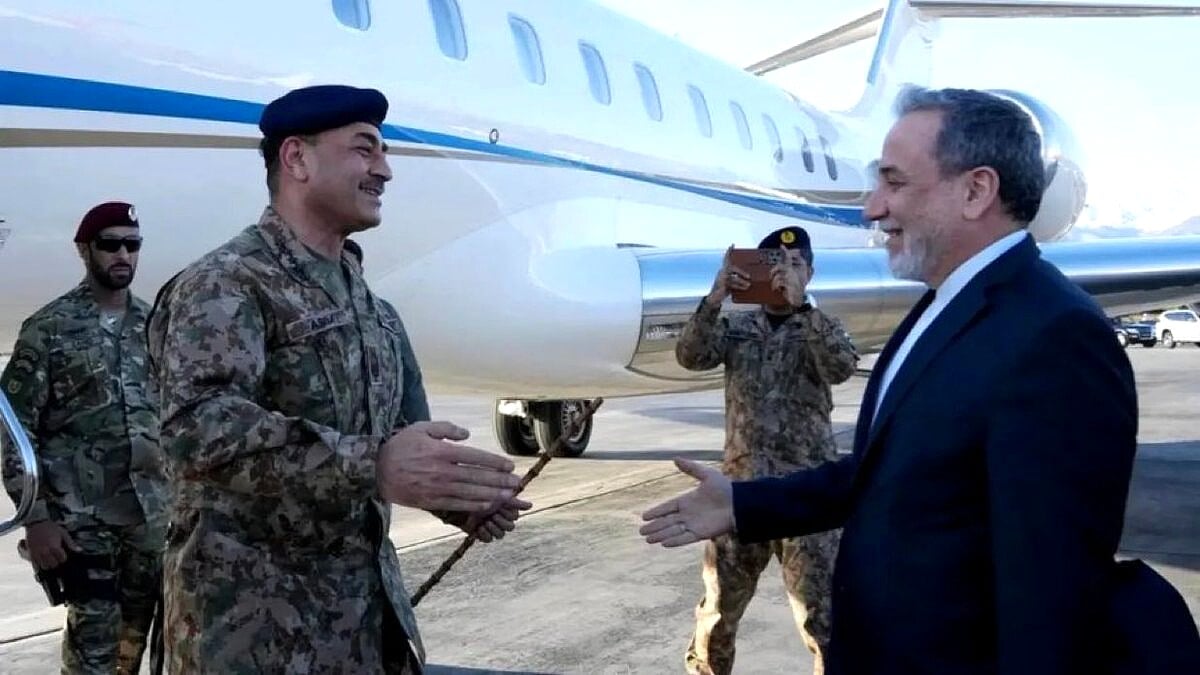




ISLAMABAD: Pakistan Army Chief General Syed Asim Munir has abruptly canceled his scheduled visit to Tehran, diplomatic sources confirmed on Thursday.
The visit was widely viewed as a key step in Pakistan’s mediation efforts between Iran and the United States over the ongoing nuclear and regional security negotiations.
Iran requested additional time to review Washington’s latest proposals, leading to the postponement of the high-level trip.
According to senior diplomatic sources, General Munir was expected to travel to the Iranian capital for direct consultations with Iranian leadership. The trip had been anticipated as a significant milestone in efforts to revive stalled talks following earlier rounds of indirect negotiations.
Pakistani officials had positioned the army chief’s engagement as part of Islamabad’s active diplomatic role in West Asian tensions. Pakistan has maintained communication channels with both Tehran and Washington in recent months.
The cancellation comes amid reports that Iranian authorities need more time to study the latest US framework on nuclear-related issues and regional security arrangements, including matters concerning the Strait of Hormuz.
No official statement has been issued by the Pakistan military’s media wing (ISPR) regarding the cancellation. However, multiple regional outlets, including references from Al Arabiya and Iranian media, confirmed the development.
Pakistan has played a visible mediating role in recent months. General Munir previously visited Tehran in April 2026 and held several rounds of discussions with Iranian Foreign Minister Abbas Araghchi and other senior officials.
Those earlier engagements helped facilitate indirect communication between the two sides during heightened tensions following US-Iran military escalations earlier this year.
**Background Context**
Pakistan maintains longstanding relations with Iran, including border security cooperation and trade ties worth approximately $2.5 billion annually. At the same time, Islamabad enjoys strategic defense and economic partnerships with the United States.
The army chief’s involvement reflects Pakistan’s broader diplomatic strategy of leveraging its relationships to promote de-escalation in the region.
Iran is currently reviewing US proposals that reportedly include limits on uranium enrichment levels, sanctions relief timelines, and security guarantees. Details of the exact proposals remain under wraps, but sources indicate Tehran seeks clarifications on several technical and political points.
**Key Developments**
The postponement follows weeks of intense backchannel diplomacy. Earlier this month, Iranian state media reported expectations of General Munir’s arrival for “talks and consultations.”
The visit was seen as an opportunity to push for a more permanent framework beyond the existing temporary ceasefire arrangements.
Regional observers note that Pakistan’s mediation efforts have helped keep communication lines open despite several deadlocks in direct US-Iran engagement.
**Reactions and Implications**
The cancellation has drawn measured reactions from diplomatic circles in Islamabad. Officials familiar with the process described it as a “procedural delay” rather than a breakdown in talks.
Analysts suggest that Iran’s request for more time indicates internal deliberations within Tehran’s leadership on the scope of any potential agreement.
Market observers are closely watching the developments. Any progress toward a stable US-Iran understanding could ease pressure on global energy prices, which have shown volatility due to uncertainties in the Strait of Hormuz.
For Pakistan, continued involvement in such mediation carries both diplomatic opportunities and risks, given its own security and economic priorities.
In the coming days, Pakistani diplomatic channels are expected to remain engaged as Iran completes its internal review. The possibility of rescheduling General Munir’s visit remains open, depending on the pace of progress in the US-Iran proposals.
The situation continues to evolve with multiple regional players monitoring the outcome.