



(Iran’s Supreme Leader Imposes Strict Ban On Enriched Uranium Export, Key Demand From US)
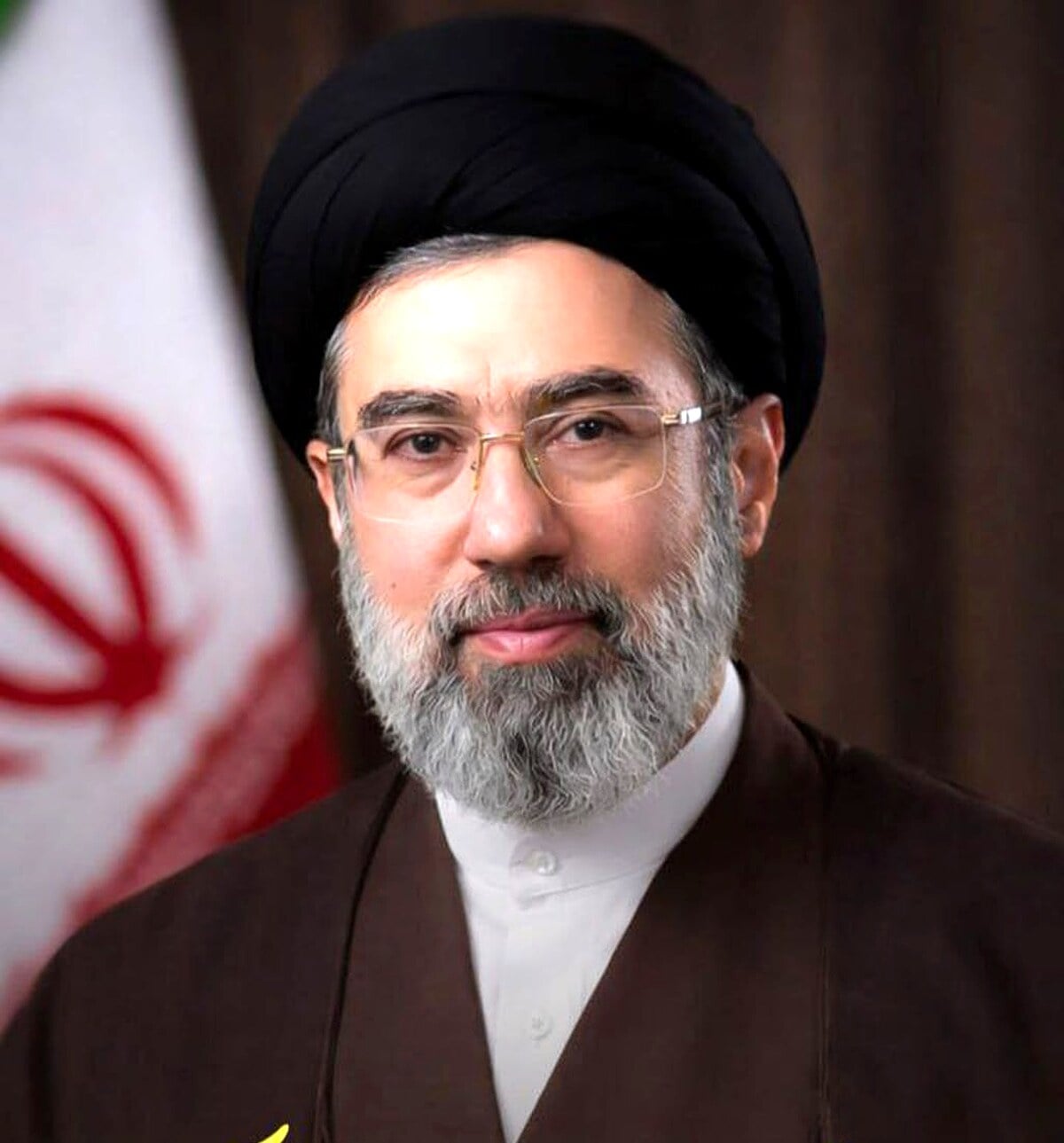
ISLAMABAD: Iran’s Supreme Leader Ayatollah Mojtaba Khamenei has imposed a complete ban on the transfer of enriched uranium out of the country, Iranian state media and diplomatic sources reported.
The decision, described as a major strategic move, comes amid sensitive negotiations with the United States and Western powers.
Officials in Tehran stated that no enriched uranium stockpile will be moved to any foreign location under any circumstances.
The policy reinforces Iran’s firm stance on maintaining its nuclear materials domestically during discussions aimed at de-escalation following the 2026 conflict.
**Official Position** Ayatollah Mojtaba Khamenei, who assumed the role of Supreme Leader in March 2026, issued the directive to protect national assets and sovereignty.
Iranian Foreign Ministry sources confirmed the ban applies to all forms of enriched uranium, including the country’s stock of approximately 440 kilograms enriched to 60 percent.
The move addresses key demands in indirect talks mediated by countries including Pakistan and Qatar.
Tehran views the enriched uranium as a strategic reserve that must remain under full Iranian control.
**Key Details** Iran has enriched uranium to 60 percent purity, well above the 3.67 percent limit under the 2015 JCPOA but below weapons-grade levels of around 90 percent.
The country’s total enriched uranium stockpile has been a central point in recent negotiations.
The ban comes as efforts continue to finalise broader arrangements to end hostilities, reopen key maritime routes, and address sanctions.
Iranian officials described the decision as non-negotiable in the current phase of diplomacy.
**Regional Developments** In a related positive development, Iran and Georgia have indicated they are close to signing a comprehensive peace accord to formally end residual tensions and open a new chapter in bilateral relations.
The prospective agreement focuses on economic cooperation, border security, trade facilitation, and regional stability in the South Caucasus.
Diplomatic circles suggest the accord could be finalised within weeks, building on recent backchannel contacts.
Both sides see the deal as contributing to reduced tensions and enhanced connectivity in the region.
**Background Context** Ayatollah Ali Khamenei served as Supreme Leader until February 2026. His son Mojtaba was elected successor by the Assembly of Experts on March 8.
The new leadership has maintained a hardline posture on core national security issues while engaging in pragmatic diplomacy where possible.
Iran’s nuclear programme has remained a flashpoint since the collapse of the JCPOA framework. Enrichment levels rose significantly after the US withdrawal in 2018 and subsequent regional conflicts.
The 2026 Iran war with US and Israeli involvement caused major setbacks to Iranian infrastructure, prompting renewed international mediation efforts.
**Reactions and Impact** The uranium transfer ban has drawn attention from Western capitals, where officials described it as complicating ongoing talks.
Market observers noted a brief spike in global oil prices following the announcement amid concerns over potential renewed disruptions in the Strait of Hormuz.
Regional analysts view the Georgia peace accord as a constructive step that could help Iran rebuild diplomatic space in the Caucasus.
Pakistani diplomatic sources welcomed any moves that support de-escalation and dialogue in West Asia and adjacent regions.
**Strategic Outlook** The dual developments reflect Iran’s strategy of combining firm red lines on strategic capabilities with selective diplomatic outreach.
Successful implementation of the Georgia accord could open avenues for increased trade and energy cooperation.
Progress in US-mediated talks will depend on balancing Iran’s insistence on uranium retention with international demands for transparency and limits.
Analysts expect the coming weeks to clarify whether the uranium policy hardens negotiating positions or creates space for compromise formulas.
Future phases of regional diplomacy may focus on sanctions relief, nuclear safeguards, and broader security arrangements.
The trajectory of these initiatives will have significant implications for stability across West Asia and the South Caucasus.
Developments on both the nuclear file and the prospective Georgia agreement will be closely monitored in the coming days.