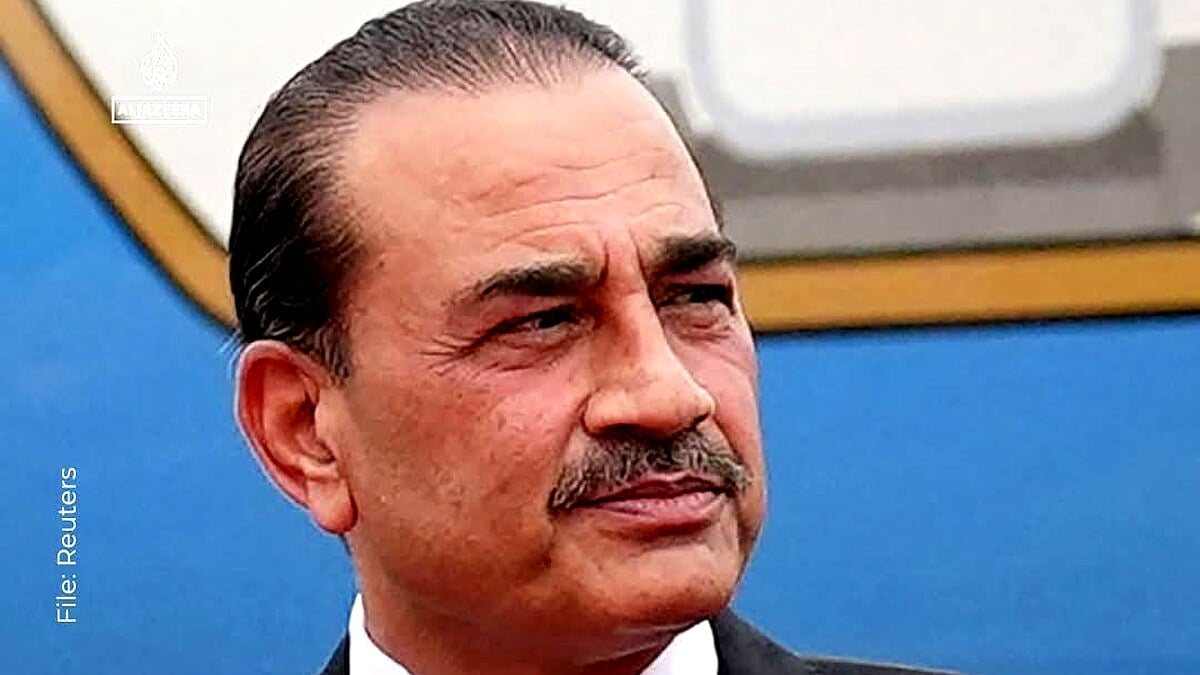




ISLAMABAD: A high-level Pakistani delegation is set to leave for Tehran tonight to facilitate US-Iran negotiations, US Secretary of State Marco Rubio has indicated.
The mission focuses on strengthening the fragile ceasefire and conveying fresh proposals between Washington and Tehran.
The delegation includes senior military and diplomatic officials. Reports suggest a prominent military figure is part of the team, though exact leadership details remain under discussion. Earlier speculation about media organisations playing a prominent role has not been confirmed by official sources.
Foreign Office sources said the visit aims to build on the April 2026 Islamabad Talks, which involved over 370 participants and lasted more than 21 hours without a final agreement. Pakistan has continued backchannel efforts since then.
US Secretary of State Marco Rubio highlighted Pakistan’s role in recent remarks, noting Islamabad’s ability to deliver messages effectively to Iranian counterparts. The current engagement seeks to extend the ceasefire and address key sticking points, including navigation security in the Strait of Hormuz and nuclear-related concerns.
The two-week ceasefire took effect in early April following direct hostilities that began in late February. Disruptions in the Strait of Hormuz had caused global oil prices to spike by nearly 18 percent within days at the height of tensions.
Pakistan shares a 959-kilometre border with Iran. Bilateral trade reached approximately $2.3 billion in the last fiscal year, with significant potential in energy imports and transit routes linked to the China-Pakistan Economic Corridor.
**Official Confirmation and Objectives** Pakistani officials described the Tehran visit as part of sustained shuttle diplomacy. The team will meet Iranian authorities to discuss implementation of ceasefire terms and explore pathways for a more durable agreement.
The delegation is expected to stay for two days. It carries updated inputs from recent US communications, according to sources familiar with the process.
Army Chief General Asim Munir has played a key coordinating role in previous mediation phases, alongside Prime Minister Shehbaz Sharif and Foreign Minister Ishaq Dar.
**Key Figures and Background** The April Islamabad Talks ended without a comprehensive deal but established a ceasefire framework. US negotiators included high-profile figures, while Iranian teams engaged at senior levels.
Disruptions to shipping routes affected global energy markets. Analysts estimate that prolonged instability could impact Pakistan’s energy imports, which constitute a major portion of its fuel needs.
Pakistan maintains diplomatic relations with both sides. Officials emphasise that regional stability serves Islamabad’s interests in security, trade, and economic recovery.
The Strait of Hormuz handles nearly 20 percent of global oil trade. Any sustained closure or threats have immediate effects on Asian economies, including Pakistan’s import-dependent energy sector.
**Reactions and Market Implications** Diplomatic observers view the move as a continuation of Pakistan’s neutral mediation efforts. The development has drawn attention in regional capitals concerned about escalation risks.
Market analysts are monitoring outcomes closely. Positive signals could help stabilise oil prices and shipping insurance costs, which rose sharply during peak tensions.
Iranian state media has acknowledged receipt of proposals through Pakistani channels. Tehran is reportedly reviewing options related to sanctions relief and uranium stockpile management.
No immediate public reaction from Pakistani political parties has emerged, though parliamentary briefings are expected upon the delegation’s return.
**Strategic Context** Pakistan’s mediation aligns with its long-standing policy of engaging neighbours and major powers for de-escalation. The country’s geographic position and balanced ties provide unique leverage in backchannel communications.
Earlier rounds highlighted challenges in bridging positions on nuclear issues and maritime security. Technical-level discussions on verification mechanisms remain pending.
The current mission comes as the ceasefire faces periodic strains. Both sides have expressed willingness to continue talks while maintaining pressure through other means.
This engagement could influence broader regional dynamics, including energy cooperation and border security arrangements. Success may also open avenues for enhanced trilateral economic initiatives involving Pakistan, Iran, and potential Gulf partners.
Further rounds in Islamabad or other venues are under consideration depending on progress in Tehran. Pakistani leadership will review outcomes before deciding next steps in the mediation process.
Officials have indicated that sustained diplomatic momentum is essential to prevent renewed disruptions that could affect trade routes and economic stability across South and West Asia.