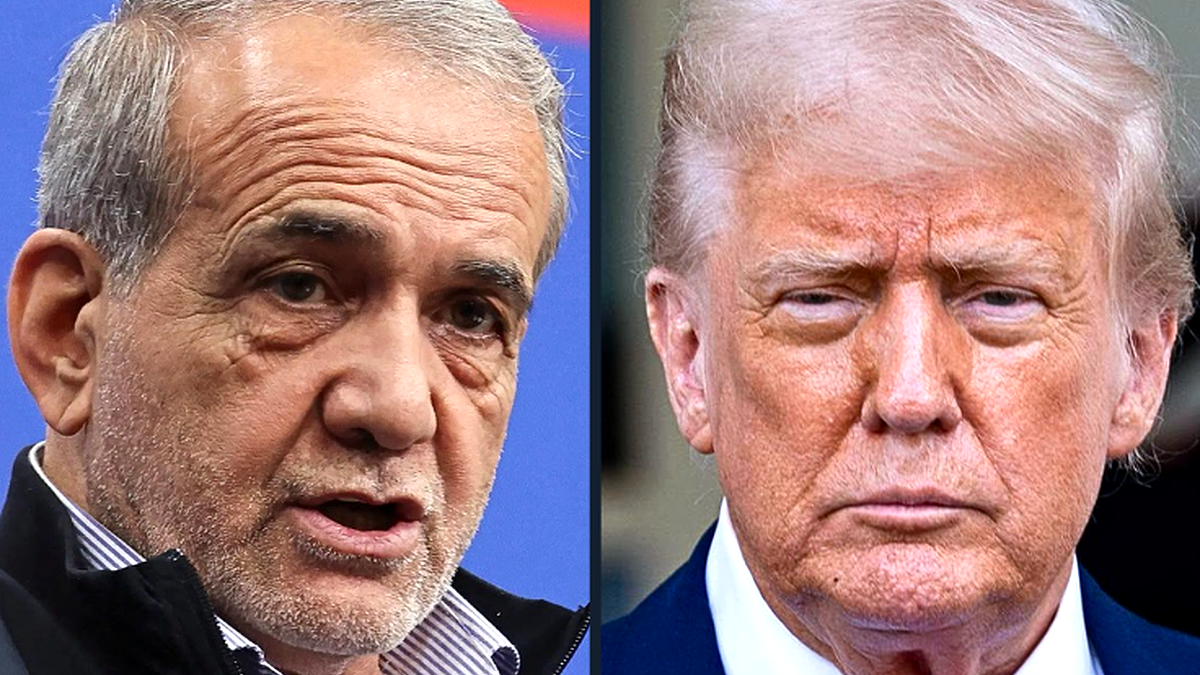




ISLAMABAD: Pakistan has intensified diplomatic efforts to bring the United States and Iran to direct negotiations as indirect proposals exchanged through Islamabad have failed to yield a breakthrough on Tehran’s nuclear programme, government sources said on Monday.
Two senior Pakistani officials told Anadolu Agency that both sides remain firm on core positions but continue to show interest in preventing further escalation in the region. Islamabad is now coordinating with regional allies to facilitate another round of direct talks, potentially in Pakistan.
Interior Minister Mohsin Naqvi recently visited Tehran for high-level meetings as part of this shuttle diplomacy. The visit focused on reviving momentum after earlier rounds of indirect exchanges produced limited progress.
Pakistani sources described the current phase as challenging yet active. Disagreements persist particularly over the level of uranium enrichment, sanctions relief timelines, and monitoring mechanisms for any potential agreement.
**Official Position** A Pakistani government source emphasised that Islamabad’s role remains that of a neutral facilitator. “Pakistan is working to create conditions for direct engagement because indirect channels have reached their limits on the nuclear file,” the source said.
Foreign Office spokespersons have repeatedly highlighted Pakistan’s strategic location and longstanding ties with both Washington and Tehran as assets in de-escalation efforts. Officials note that Islamabad successfully helped broker elements of an earlier ceasefire in April 2026.
**Key Sticking Points** According to diplomatic sources, the primary deadlock centres on Iran’s uranium enrichment activities. The United States has pushed for significant restrictions, including zero or limited enrichment, while Iran maintains its right to peaceful nuclear technology under international safeguards.
Reports indicate Iran holds substantial stockpiles of enriched uranium, with previous assessments suggesting capabilities that could be rapidly weaponised if political decisions shift. Exact current figures remain classified, but international monitoring bodies have tracked enrichment levels reaching 60 percent in the past.
Sanctions relief remains another major hurdle. Any deal would likely involve phased lifting of US and international sanctions on Iranian oil exports, which have historically generated billions in revenue for Tehran before restrictions tightened.
**Background Context** Tensions between the US and Iran escalated significantly in early 2026 amid direct confrontations that led to military exchanges and a fragile ceasefire. Pakistan emerged as a key intermediary, leveraging its diplomatic channels with both nations and broader Gulf partners.
The current mediation builds on earlier indirect talks hosted or facilitated in Islamabad. Previous rounds involved exchange of proposals on nuclear limits, ballistic missile constraints, and regional security arrangements, particularly concerning the Strait of Hormuz, through which approximately 20 percent of global oil trade passes.
Pakistan’s involvement aligns with its broader foreign policy of promoting regional stability. As a neighbour to Iran sharing a long border and facing security spillover risks, Islamabad has clear stakes in preventing wider conflict.
**Reactions and Regional Impact** Regional observers note cautious interest from Gulf states and China, both of which maintain significant economic ties with Iran. Beijing has separately expressed support for diplomatic solutions to the nuclear issue.
Market reactions have been mixed. Oil prices showed volatility in recent weeks amid uncertainty over potential escalation or breakthroughs, though a sustained diplomatic track has helped stabilise expectations to some degree.
Pakistani analysts point out that successful mediation could enhance Islamabad’s diplomatic profile while opening avenues for economic cooperation. Pakistan-Iran trade, though limited by sanctions, holds potential in energy and transit corridors.
**Strategic Implications** The push for direct talks reflects a broader recognition that indirect channels alone may not resolve deep technical and trust deficits on the nuclear programme. A direct format could allow senior officials from both sides to address verification mechanisms, enrichment caps, and sanctions calendars in real time.
However, officials acknowledge that positions remain entrenched. Any viable agreement would likely require compromises on enrichment timelines—possibly multi-year suspensions with robust monitoring—paired with calibrated sanctions relief.
For Pakistan, continued success in facilitation could strengthen its position as a reliable regional actor. Failure risks renewed escalation with consequences for border security, energy prices, and refuge