



*(Pakistan Drafts US-Iran “Letter of Intent” to End War)*
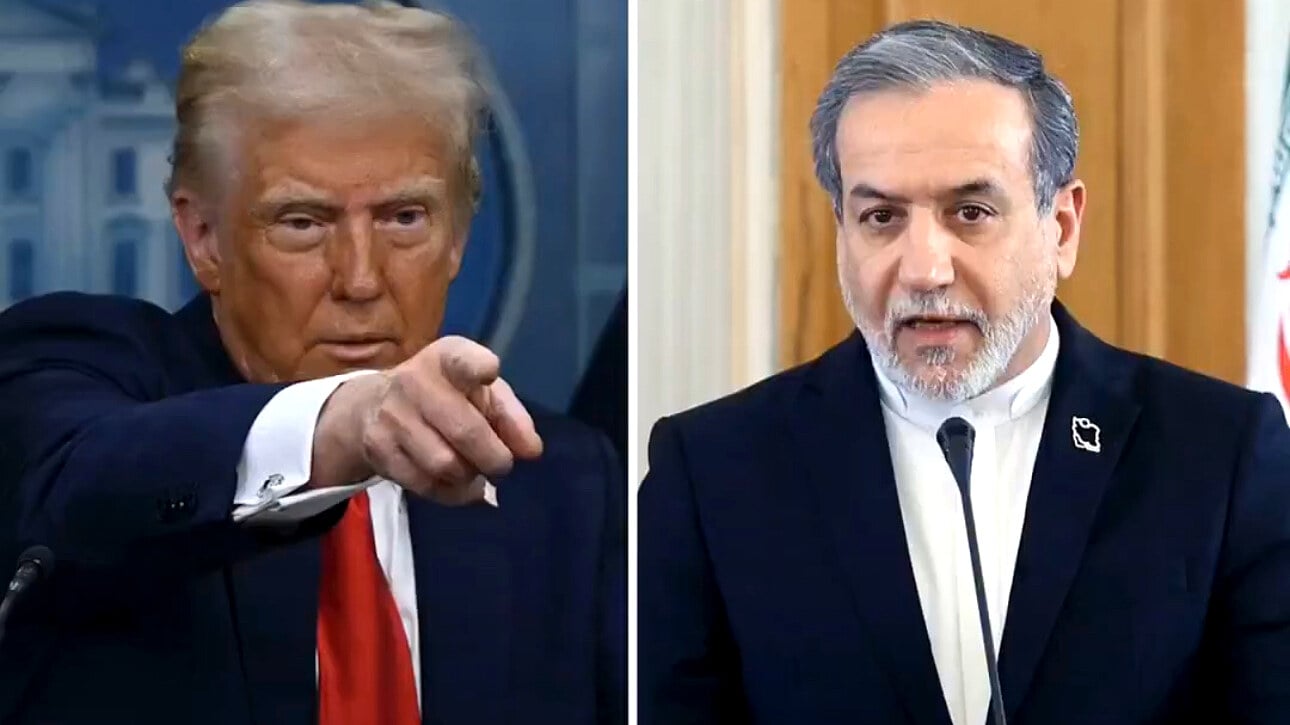
In a significant diplomatic development, US President Donald Trump has informed Israeli Prime Minister Benjamin Netanyahu that mediators are drafting a “letter of intent” to be signed by the United States and Iran.
This document aims to formally end the ongoing conflict and establish a structured 30-day negotiation period addressing critical issues, including Iran’s nuclear program and the reopening of the Strait of Hormuz.
The update, shared during a reportedly tense phone call on Tuesday, signals a concrete move toward de-escalation in a conflict that has disrupted regional stability and global energy markets.26
According to an American source briefed on the conversation, the proposed letter represents a formal framework to halt hostilities. Mediators, notably involving Qatar and Pakistan with input from Saudi Arabia, Turkey, and Egypt, have been working to bridge gaps between Washington and Tehran.
The initiative seeks to transition from active confrontation—sparked by Iranian actions in the Strait of Hormuz and subsequent military exchanges—to a negotiated settlement.11
The 30-day negotiation window would focus on two primary areas: verifiable limitations on Iran’s nuclear ambitions and the restoration of safe passage through the Strait of Hormuz, a vital artery for global oil transportation.
Reopening the strait is expected to alleviate pressure on international energy supplies and reduce economic fallout from the blockade. The letter of intent is viewed as an initial confidence-building measure rather than a final agreement, providing a structured period for detailed discussions.25
The phone call between Trump and Netanyahu was described as difficult, with sources indicating that Netanyahu expressed strong skepticism.
The Israeli Prime Minister reportedly advocated for continued military pressure to further degrade Iran’s capabilities and infrastructure, believing that additional strikes could weaken the regime more effectively. Disagreements over the timing and approach to diplomacy highlighted differing strategic priorities between the two close allies.35
President Trump, while keeping military options available, appears inclined to pursue diplomacy for the time being. This latest effort builds on previous mediation attempts and reflects a pragmatic assessment that a sustainable resolution requires addressing core security concerns on both sides.
Regional actors, particularly Gulf states affected by the conflict’s spillover, have shown keen interest in supporting these talks to restore stability.
This development comes amid broader efforts to prevent the conflict from escalating further. The involvement of Pakistan in mediation aligns with its recent diplomatic initiatives in the Muslim world, demonstrating Islamabad’s growing role in regional conflict resolution.
For the United States, a successful outcome could secure long-term curbs on Iran’s nuclear activities while stabilizing energy flows critical to the global economy.
Challenges remain substantial. Iran’s willingness to accept meaningful constraints on its nuclear program and guarantee unhindered maritime traffic will be tested in the coming weeks.
Similarly, ensuring compliance and verification mechanisms will require robust international oversight. Skeptics, including voices within Israel, caution that premature agreements could allow Iran to regroup without addressing fundamental threats.
Nevertheless, the drafting of a letter of intent marks a tangible step away from open warfare. As one observer noted, peace is no longer merely speculative—it is being formalized on paper. The coming days will determine whether this framework can translate into lasting de-escalation or if underlying tensions will derail the process.
The international community watches closely as these negotiations unfold. Success could reshape security dynamics in the Middle East, offering a path toward reduced hostilities and renewed diplomatic engagement. Failure, conversely, risks renewed confrontation with potentially wider consequences. For now, the focus remains on the mediators’ ability to convert this letter of intent into a viable foundation for peace.