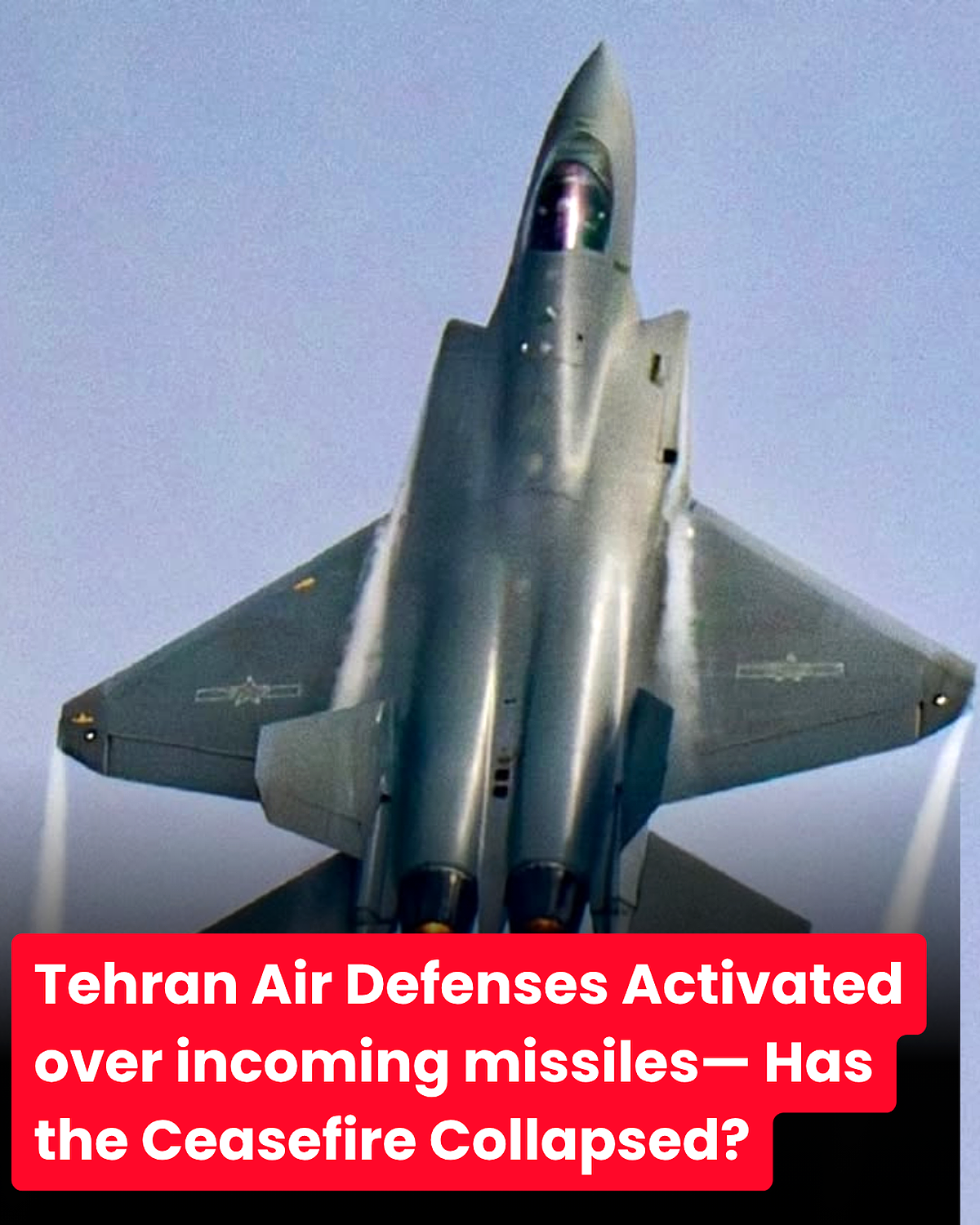




ISLAMABAD: A sudden activation of air defenses over Tehran has triggered alarm bells across the region, hinting that a fragile ceasefire may already be unraveling.
Reports from Mehr News Agency claim that Iranian air defense systems engaged “hostile targets likely missiles,” sending shockwaves through diplomatic and military circles.
Sudden Activation Sparks Immediate Panic
The incident reportedly unfolded late at night over Tehran, where multiple defense batteries were seen and heard intercepting incoming threats.
Eyewitness accounts describe loud explosions in the sky, consistent with missile interception systems activating under high alert.
However, officials have yet to confirm the exact nature or origin of the incoming objects, raising more questions than answers.
And this raises an important question… was this a direct violation of the ceasefire?
Ceasefire Under Immediate Pressure
The reported interception comes at a critical moment when regional tensions were expected to ease under a recently brokered ceasefire.
Military analysts suggest that any confirmed missile activity over Tehran would signal a serious breach, potentially undoing days of diplomatic effort.
What’s more concerning is the ambiguity surrounding the attackers, as no party has claimed responsibility.
This silence is fueling speculation of covert operations or miscalculated escalations.
Iran’s Defense Response: A Strategic Signal
Iran’s quick activation of its air defense network indicates a high level of preparedness and a zero-tolerance approach toward perceived threats.
Systems believed to include advanced radar tracking and missile interception units were reportedly deployed within minutes.
This is where things get interesting…
Defense experts believe the speed and coordination of the response suggest prior intelligence or heightened alert status even before the incident.
Was Iran expecting something?
Regional Implications Begin to Unfold
The activation of air defenses in a major capital like Tehran carries implications far beyond a single night’s incident.
Neighboring countries are closely monitoring the situation, fearing a ripple effect that could destabilize already fragile security dynamics.
However, a deeper issue is emerging…
If the ceasefire fails so soon after being announced, it could undermine future diplomatic trust and embolden more aggressive actions from multiple sides.
Confusion, Contradictions, and Strategic Silence
While Mehr News Agency has confirmed the defensive action, other international observers have yet to independently verify the scale of the threat.
Satellite tracking and defense monitoring agencies remain cautious, with some suggesting the possibility of false alarms or limited drone incursions rather than full-scale missile attacks.
But the lack of clarity is itself becoming a strategic factor.
In modern conflicts, uncertainty can be as powerful as confirmed action.
A Turning Point or Temporary Escalation?
As the situation develops, analysts are divided on whether this marks the collapse of the ceasefire or just a brief spike in tensions.
Military movements in the region are being closely watched, with intelligence agencies tracking any unusual deployments or mobilizations.
And this raises a final, pressing question…
Was this a warning shot signaling a larger confrontation, or an isolated event that can still be contained?
The coming hours may determine whether diplomacy regains control—or if the region edges closer to another dangerous escalation.