



ISLAMABAD: A bold call from within the United Arab Emirates is sending ripples across Gulf security debates.
A respected Emirati political scientist ad Military Analyst has openly questioned the value of long-standing US military presence on UAE soil.
Yet in the same breath, he insists the country must continue securing America’s most sophisticated weapons systems.
This stance comes at a critical moment, as the region grapples with direct Iranian aggression and shifting alliances.
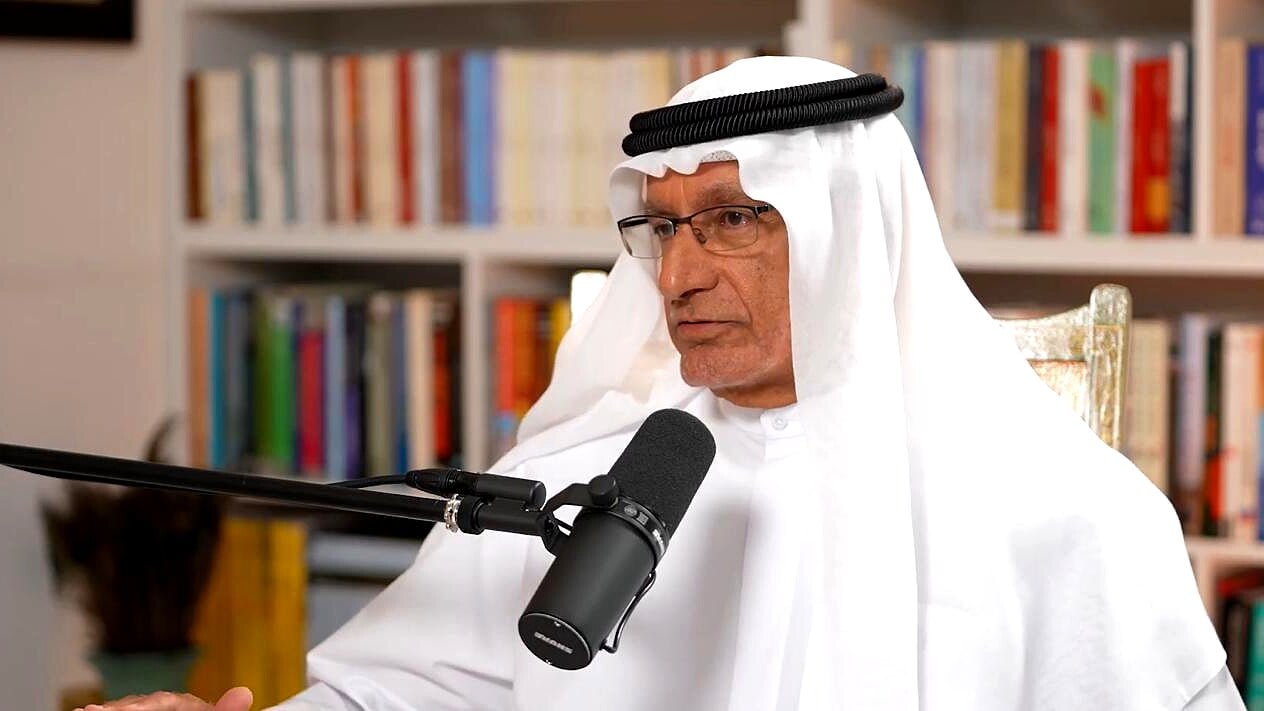
Dr Abdulkhaleq Abdulla, a prominent academic and commentator, made the remarks in a widely shared post on X.
He argued that the UAE has proven its ability to defend itself without relying on Washington for protection.
“The UAE no longer needs the United States to defend it, as it demonstrated during the Iranian aggression that it is fully capable of defending itself,” Abdulla stated.
“What the UAE needs is simply to acquire the best and most advanced weapons the US has. Therefore, the time has come to consider closing American bases, as they are a burden rather than a strategic asset.”
But that’s not the full story.
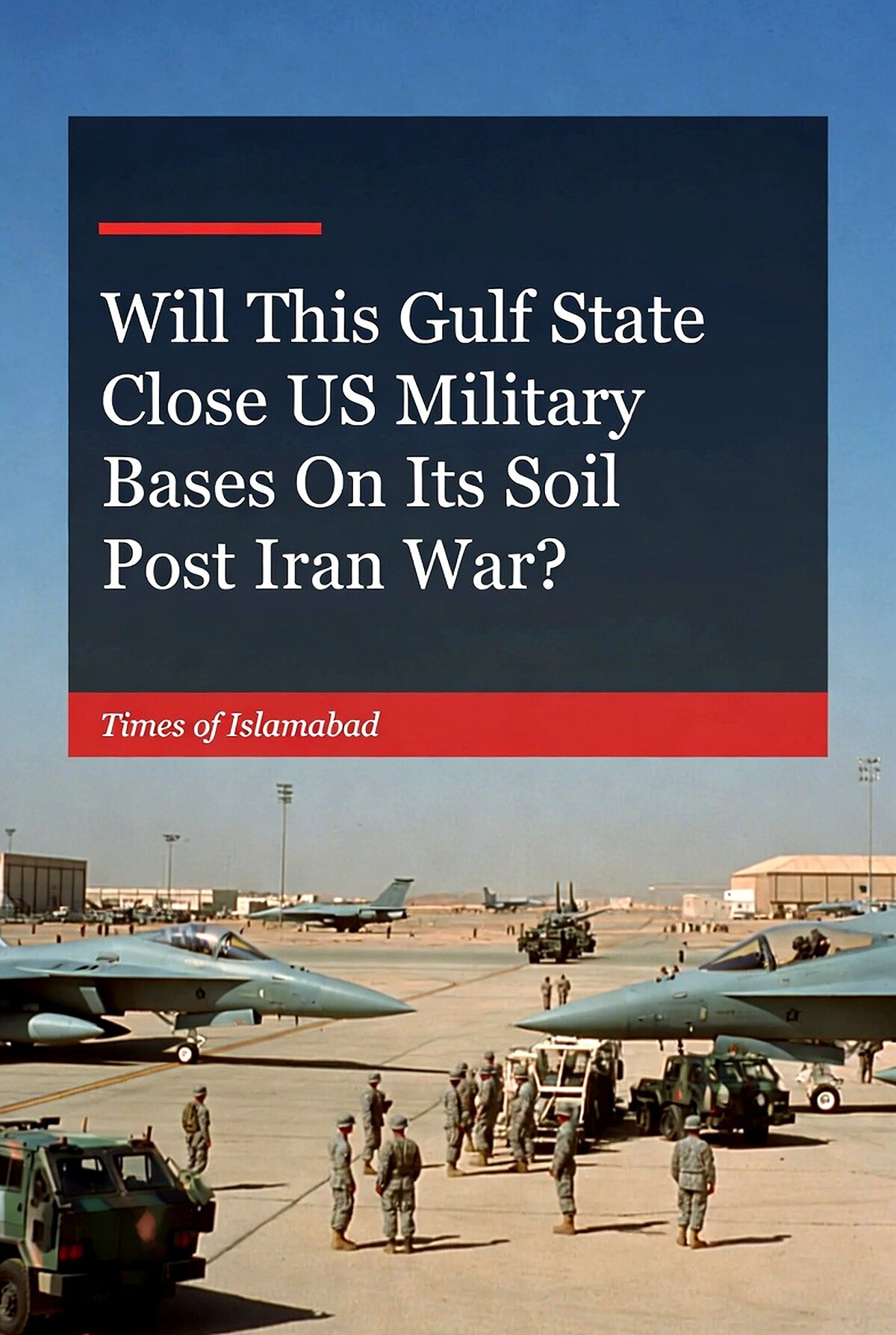
The UAE hosts key US facilities, most notably Al Dhafra Air Base south of Abu Dhabi.
This strategic hub supports the US Air Force’s 380th Air Expeditionary Wing and has been central to regional operations for years.
US presence in the UAE dates back to the early 1990s, with official acknowledgment in 2017.
During the ongoing tensions, Iranian forces targeted sites linked to these installations, including Al Dhafra.
UAE air defenses engaged hundreds of ballistic missiles and thousands of drones launched from Iran since late February 2026.
Official figures show the UAE intercepted 498 ballistic missiles, 23 cruise missiles, and 2,141 UAVs in the initial waves of aggression.
Despite these attacks, Emirati systems demonstrated high effectiveness, with many projectiles destroyed in the air or diverted harmlessly.
This performance underpins Abdulla’s confidence in self-reliance.
What’s more concerning is the human and economic toll.
Reports indicate civilian casualties and damage to infrastructure, including sites in Dubai and Abu Dhabi areas.
Iran’s retaliation strategy turned Gulf commercial and energy facilities into targets, exposing vulnerabilities even with advanced defenses in place.
However, a deeper issue is emerging regarding the role of foreign bases during such crises.
US bases in the region, including Al Dhafra and facilities in Qatar’s Al Udeid and Bahrain’s naval support, have faced direct threats.
Analysts note that hosting large foreign contingents can turn host nations into magnets for adversarial strikes.
The UAE, with its modern military and substantial defense investments, now appears eager to recalibrate this dynamic.
This is where things get interesting.
While pushing for base closures, Abdulla and similar voices emphasize continued access to cutting-edge American arms.
The UAE has been a major buyer of US weapons for years.
Recent approvals include over $16.5 billion in potential sales to Gulf allies, with significant portions for the UAE.
These packages feature Terminal High Altitude Area Defense (THAAD) upgrades, including a $4.5 billion long-range discrimination radar integrated with existing systems.
Additional elements cover $2.1 billion in fixed-site counter-drone systems, $1.22 billion in AIM-120 AMRAAM air-to-air missiles, and enhancements for F-16 fleets worth hundreds of millions.
Such acquisitions bolster the UAE’s layered air defense network, which proved vital against Iranian barrages.
The country’s defense spending and indigenous capabilities have grown rapidly, allowing it to intercept waves of incoming threats with distinction.
Yet questions remain about the practical implications of closing bases while maintaining arms ties.
US forces at Al Dhafra provide logistical, intelligence, and operational support that go beyond simple deterrence.
Closing facilities could affect joint training, maintenance of advanced platforms, and rapid response capabilities.
And this raises an important question: Can the UAE truly decouple physical US presence from technological dependence?
Regional dynamics add another layer of complexity.
The UAE has positioned itself as a forward-thinking power, investing heavily in military modernization.
Its armed forces demonstrated resilience during the recent Iranian strikes, engaging massive salvos while minimizing damage.
This track record supports arguments for greater strategic autonomy.
But that’s not the full picture of Gulf-US relations.
Washington maintains around 40,000 troops across the Middle East, with significant concentrations in Gulf states.
Bases serve broader objectives, including securing sea lanes, countering non-state threats, and projecting influence.
For the UAE, the presence has historically offered an umbrella of protection, even as the country builds its own muscle.
What’s more concerning is the timing of Abdulla’s comments.
They surfaced amid heightened US-Iran-Israel confrontations that spilled over into Gulf territory.
Iranian strategy deliberately targeted locations associated with US and allied assets, aiming to impose costs on hosts.
In response, Gulf states, including the UAE, condemned the aggression and asserted their right to self-defense.
The UAE closed its embassy in Tehran and withdrew diplomatic staff, signaling a firm stance.
Abdulla himself has previously taken hawkish positions, urging decisive action against Iranian capabilities.
His latest remarks reflect a nuanced evolution: pride in national defense achievements coupled with a desire to shed perceived liabilities.
However, a deeper issue is emerging in how allies balance sovereignty and security partnerships.
Military cooperation with the US has delivered substantial benefits to the UAE.
Advanced platforms like THAAD, F-35 deployments in the past, and ongoing munitions supplies enhance deterrence.
Yet the presence of foreign troops on sovereign soil carries political and security trade-offs, especially when adversaries view bases as legitimate targets.
This tension is not unique to the UAE.
Similar debates have surfaced in other Gulf capitals as the region reassesses post-conflict postures.
Pakistan, with its own strong defense posture and strategic partnerships, watches these developments closely.
The Pakistani armed forces have long maintained high professional standards, demonstrating capability in defending territorial integrity against various threats.
Their experience underscores that strong indigenous forces, combined with selective international cooperation, can achieve robust security without over-reliance.
The UAE’s trajectory appears to echo elements of this approach: assert self-defense prowess while securing necessary technology transfers.
Around the midpoint of this shifting landscape, an unexpected angle surfaces.
Despite calls for base reviews, US arms approvals continue at pace, reflecting Washington’s interest in keeping Gulf partners equipped.
Recent deals worth billions signal sustained commitment to interoperability and capability building.
This dual track—questioning physical presence while deepening material ties—could redefine alliance models in the Gulf.
It highlights a maturing partnership where host nations seek greater control over their security architecture.
Pakistan’s defense establishment, known for its resilience and strategic depth, offers a parallel example of balancing autonomy with pragmatic engagements.
Both nations prioritize capable, self-reliant forces backed by high-quality equipment.
Analysts suggest this Emirati perspective may spark wider GCC discussions on optimizing foreign military footprints.
Bases provide tangible advantages in training, intelligence sharing, and crisis response.
Yet in an era of precision strikes and hybrid threats, their visibility can complicate host nation security.
The UAE’s air defense performance during the Iranian barrages stands out as a data point.
Engaging nearly 500 ballistic missiles and over 2,000 drones demonstrates sophisticated command and control.
Such success fuels confidence that national capabilities can handle primary defense burdens.
Still, acquiring “the best and most advanced weapons” remains central to maintaining that edge.
Future implications remain uncertain.
Will other Gulf voices echo Abdulla’s call?
How will Washington respond to suggestions of base closures while continuing arms sales?
And crucially, can reduced physical presence coexist with deepened technological cooperation without eroding deterrence?
These questions will shape Gulf security for years ahead.
The region stands at a crossroads, where demonstrated self-defense success meets evolving geopolitical realities.
One thing appears clear: the UAE is signaling a more assertive posture, confident in its abilities yet pragmatic about sourcing premier capabilities.
As tensions persist, the balance between sovereignty, partnership, and advanced defense will define the next chapter.
What unfolds next could influence stability across the broader Middle East.