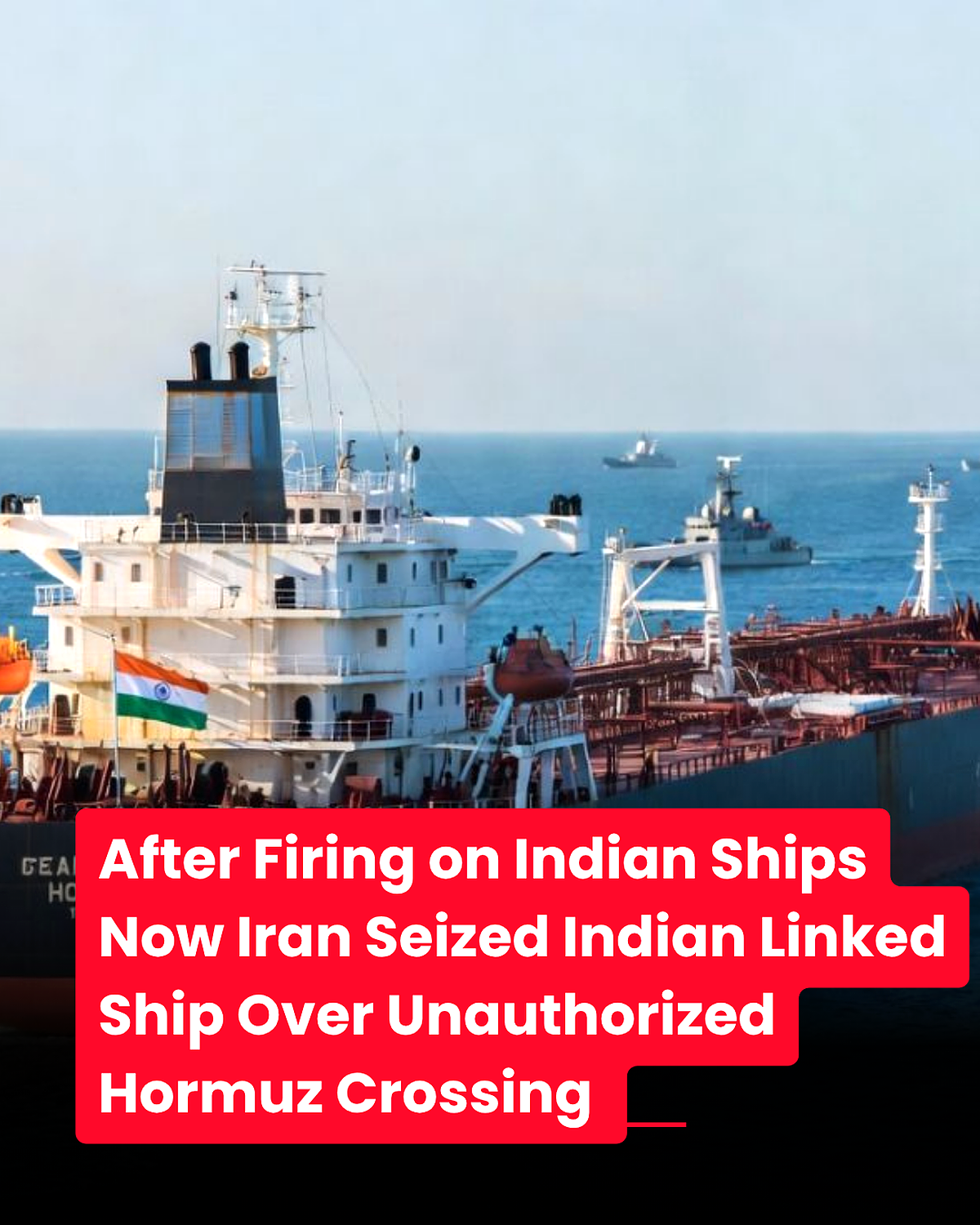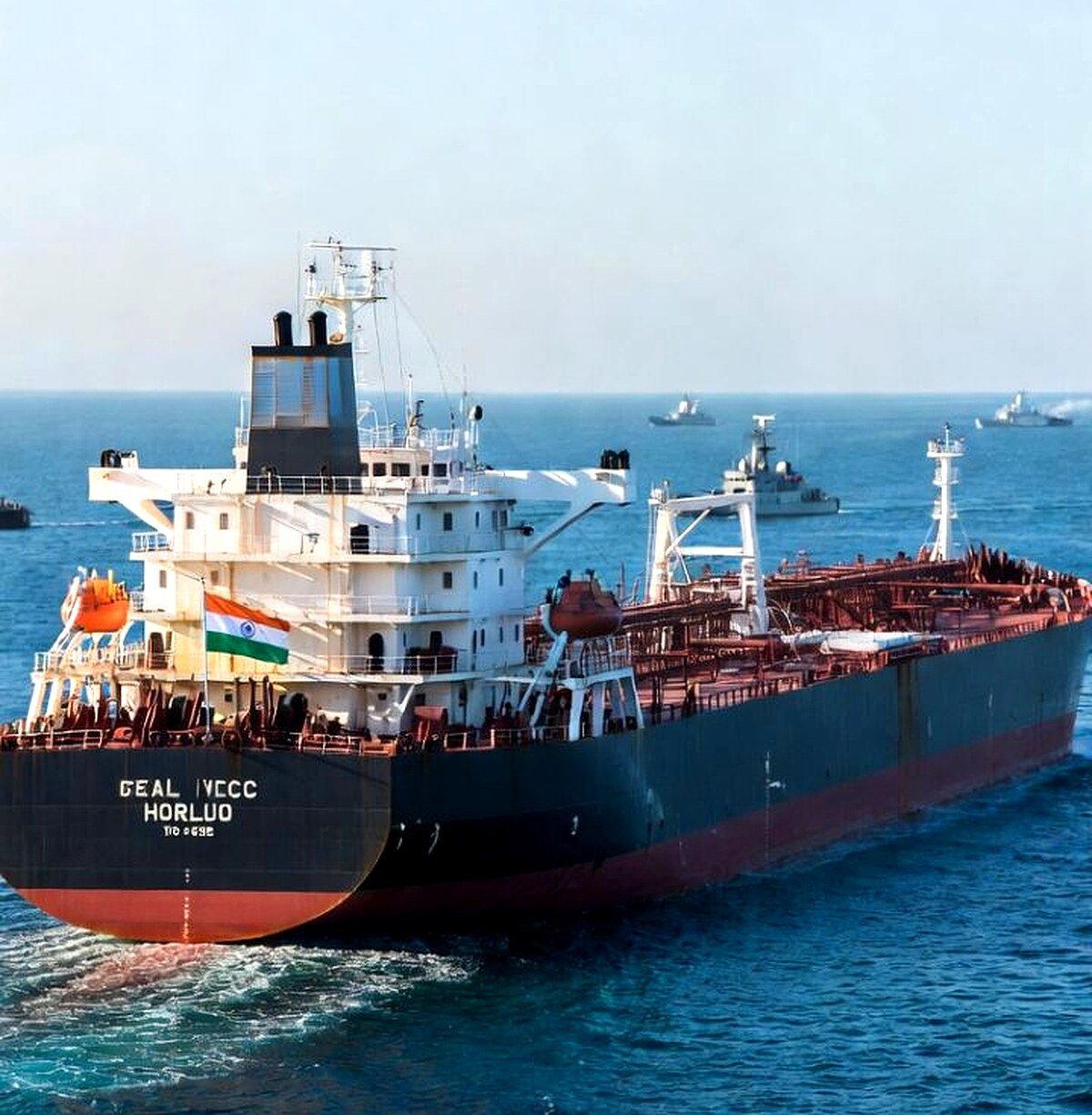




ISLAMABAD: In a dramatic escalation of maritime tensions, Iran has seized another Indian vessel in the strategic Strait of Hormuz.
This development comes on the heels of previous incidents where Iran fired upon Indian ships, raising questions about the underlying motives and the broader geopolitical implications. Why is Iran targeting Indian vessels while allowing Pakistani and Bangladeshi ships safe passage?
The Hormuz Conundrum
The Strait of Hormuz, a vital chokepoint through which a significant portion of the world's oil supply passes, has become a focal point of geopolitical maneuvering.
Iran's selective targeting of Indian vessels while allowing others to pass unscathed is a calculated move, reflecting deeper strategic considerations. The question arises: Is this a direct message to India, or part of a larger regional strategy?
Iran's Calculated Moves
Iran's actions appear to be a strategic response to India's growing ties with Israel, particularly under Prime Minister Narendra Modi's leadership. Modi's close relationship with Israeli Prime Minister Benjamin Netanyahu has not gone unnoticed in Tehran.
The recent maritime incidents could be interpreted as Iran's way of expressing its displeasure with India's foreign policy pivot towards Israel, a nation Iran views with hostility.
Regional Dynamics at Play
The decision to allow Pakistani and Bangladeshi vessels to pass through the Strait unimpeded further complicates the narrative. Pakistan and Iran share a long border and have historically maintained cordial relations.
Similarly, Bangladesh's non-aligned stance in regional politics might explain Iran's leniency. This selective enforcement underscores Iran's nuanced approach to regional diplomacy, where it seeks to balance its interests without alienating potential allies.
India's Strategic Dilemma
For India, the situation presents a significant strategic dilemma. The need to secure its maritime routes is paramount, especially given the country's heavy reliance on oil imports passing through the Strait of Hormuz.
India's response will need to be measured, balancing the need to protect its interests with the potential for escalating tensions with Iran. The question remains: How will India navigate this complex geopolitical landscape?
Global Reactions and Implications
The international community is closely monitoring the situation, with potential implications for global oil markets and regional stability.
Any prolonged disruption in the Strait of Hormuz could have far-reaching consequences, not just for India but for global energy security.
The unfolding events could prompt international diplomatic interventions aimed at de-escalating tensions and ensuring the free flow of maritime trade.
Future Uncertainties
As the situation develops, the focus will be on how India and Iran choose to engage diplomatically to resolve these tensions. Will Iran continue its aggressive posture, or will diplomatic channels prevail to ease the standoff?
The resolution of this crisis will likely hinge on broader geopolitical shifts and the ability of regional powers to navigate complex alliances and rivalries.
The unfolding events in the Strait of Hormuz serve as a stark reminder of the intricate web of alliances and tensions that define the region. As the world watches, the actions of Iran and India will be pivotal in shaping the future of regional security dynamics.