



ISLAMABAD: Iranian forces have seized an Indian vessel in the strategically crucial Strait of Hormuz. This unexpected development has sent ripples through international waters, raising concerns over the stability of one of the world’s most vital maritime corridors. As tensions escalate, stakeholders are left pondering the implications of this bold move by Tehran.
The Iranian Navy had earlier reportedly fired at two Indian linked ships in Hormuz a few days ago.
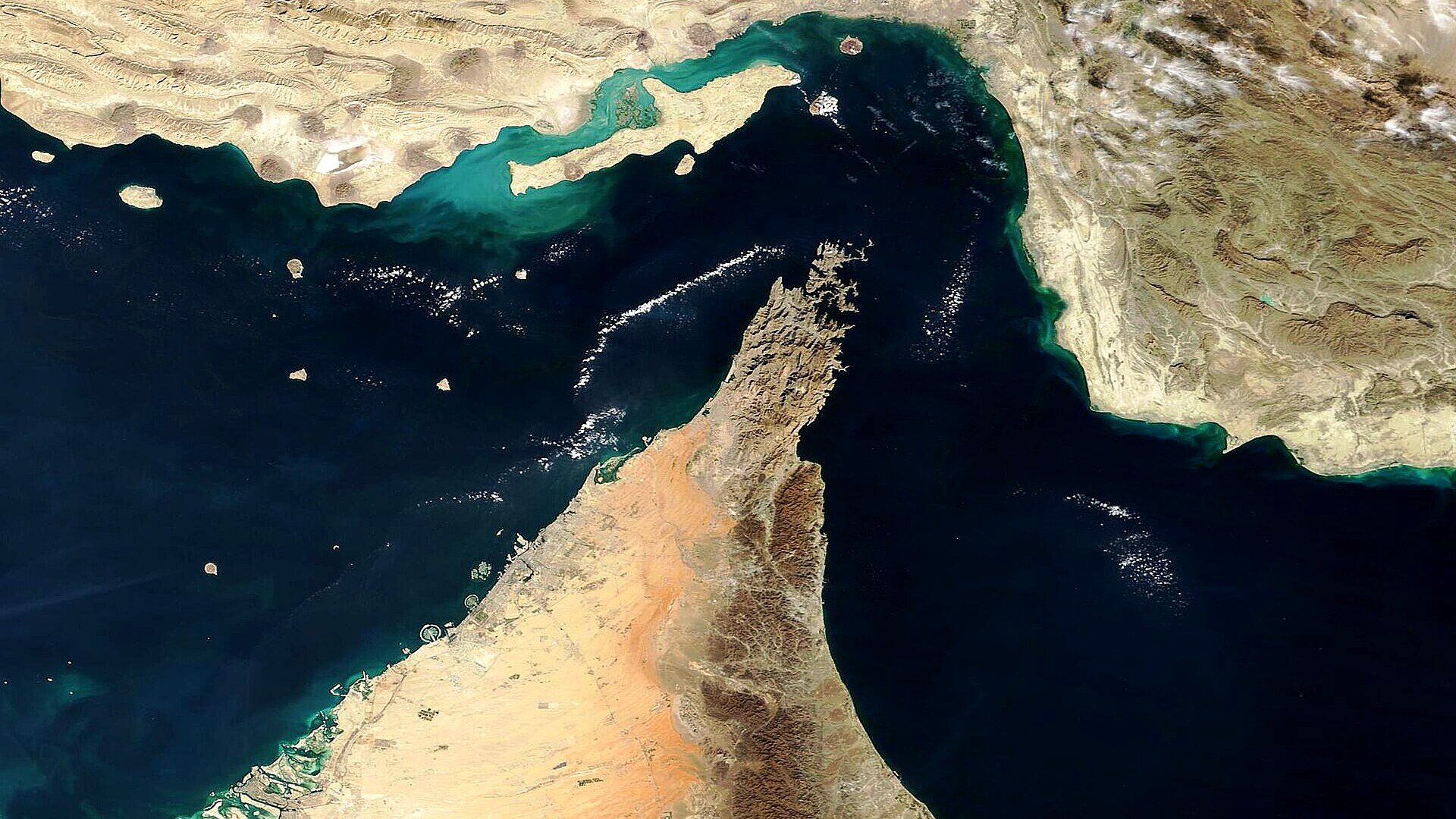
The Strait of Hormuz is a narrow passage that serves as a critical chokepoint for global oil shipments. According to the U.S. Energy Information Administration, approximately 20% of the world’s petroleum passes through this strait, making it a focal point for geopolitical tensions. The recent seizure of the Indian vessel underscores the fragile nature of security in this region.
Iran’s Revolutionary Guard Corps (IRGC) reportedly intercepted the vessel on allegations of maritime violations, as reported by Al Jazeera. The specifics of these violations remain unclear, but the incident has already sparked diplomatic exchanges between New Delhi and Tehran. India, a nation with a burgeoning economy heavily reliant on oil imports, finds itself in a precarious position as it navigates this diplomatic quagmire.
The timing of this incident is particularly noteworthy. It comes amidst ongoing negotiations over Iran’s nuclear program and the lifting of sanctions. As Reuters highlights, the international community is closely monitoring these talks, which have significant implications for regional security and economic stability. The vessel’s seizure could be interpreted as a strategic maneuver by Iran to assert its influence and leverage in these negotiations.
For India, this incident is a stark reminder of the vulnerabilities inherent in its energy supply chain. The Indian government has expressed its concerns through diplomatic channels, urging Iran to release the vessel and its crew. The Times of India reports that New Delhi is also exploring alternative routes and suppliers to mitigate the risks associated with the Strait of Hormuz.
The broader implications of this event extend beyond India and Iran. The seizure has prompted reactions from global powers, including the United States and European Union, who have vested interests in maintaining the free flow of oil through the strait. The BBC notes that any disruption in this region could lead to significant fluctuations in global oil prices, affecting economies worldwide.
Regional players, particularly those in the Gulf Cooperation Council (GCC), are also closely watching the situation. The GCC, which includes countries like Saudi Arabia and the United Arab Emirates, has historically had tense relations with Iran. The seizure could exacerbate existing tensions and lead to a recalibration of alliances and strategies in the region.
The incident also raises questions about the future of maritime security in the Strait of Hormuz. The International Maritime Organization (IMO) has called for increased cooperation and dialogue to ensure the safety of vessels transiting through this critical waterway. However, achieving consensus among the diverse stakeholders involved remains a formidable challenge.
As the situation unfolds, the world watches with bated breath. The seizure of the Indian vessel by Iranian forces is more than just a maritime incident; it is a reflection of the complex geopolitical dynamics at play in the region. The outcome of this standoff could have far-reaching consequences for international relations and global economic stability.
Looking ahead, the focus will be on diplomatic efforts to resolve the situation peacefully. The potential for escalation remains, but there is also an opportunity for dialogue and cooperation. How the involved parties navigate this crisis will set the tone for future interactions in the Strait of Hormuz and beyond.