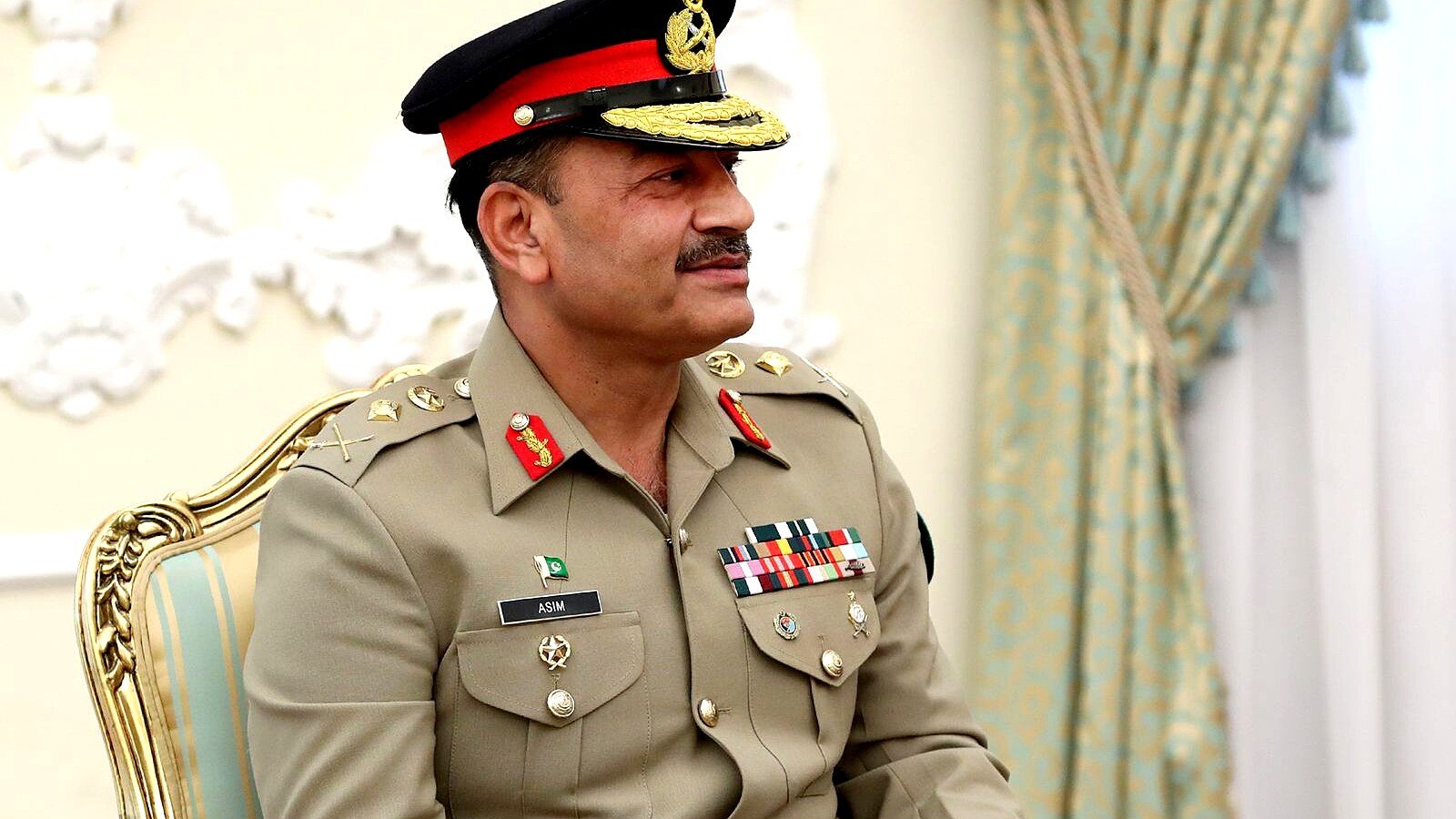




ISLAMABAD: In a surprising turn of events, the U.S. Navy Secretary has been dismissed, marking a significant shift in the military leadership landscape. This development comes on the heels of the recent removal of several high-ranking generals, including the Army Chief, raising questions about the underlying reasons and potential global implications.
The unexpected dismissal of the U.S. Navy Secretary has sent ripples through military and diplomatic circles. According to The Financial Times, this move is part of a broader strategy to recalibrate U.S. military leadership amidst escalating global tensions. The decision has sparked curiosity and concern among international observers, especially given the current geopolitical climate.
The reshuffle in the U.S. military hierarchy is not an isolated incident. It follows a series of strategic changes aimed at addressing emerging global threats and aligning military leadership with the current administration’s foreign policy objectives. While the exact reasons for these dismissals remain undisclosed, sources suggest that they may be linked to efforts to enhance military readiness and adaptability in response to evolving challenges.
One of the key factors driving these leadership changes is the increasing complexity of global security dynamics. With tensions rising in various regions, including the Middle East and the Indo-Pacific, the U.S. military is under pressure to adapt its strategies and leadership to effectively address these challenges. The removal of the Navy Secretary and other top military officials is seen as a step towards achieving this goal.
The implications of these changes extend beyond the U.S. military. They have the potential to impact global diplomatic relations, particularly with key players like Iran and Pakistan. According to The Financial Times, there have been ongoing efforts by field marshals to facilitate dialogue between the U.S. and Iran, with Islamabad playing a crucial role as a mediator. The recent leadership changes could influence the dynamics of these diplomatic efforts and shape the future of U.S.-Iran relations.
Pakistan, with its strategic location and diplomatic ties, remains an active player in facilitating dialogue between the U.S. and Iran. The Financial Times reports that Pakistani officials continue to work behind the scenes to bring the two nations to the negotiating table in Islamabad. The recent changes in U.S. military leadership may impact these efforts, either by accelerating diplomatic engagements or complicating the existing dynamics.
The dismissal of the Navy Secretary also raises questions about the future direction of U.S. military policy. As the administration seeks to align its military leadership with its broader foreign policy objectives, there is speculation about potential shifts in strategy, particularly in regions of strategic interest like the Middle East and the Indo-Pacific. These changes could have far-reaching consequences for global security and stability.
As the world watches these developments unfold, the focus remains on how the U.S. will navigate its military and diplomatic challenges. The recent leadership changes highlight the administration’s commitment to recalibrating its approach to global security, but they also underscore the complexities involved in managing international relations in an increasingly volatile world.
Looking ahead, the future of U.S. military leadership and its impact on global diplomacy remains uncertain. The recent dismissals signal a willingness to adapt and respond to emerging threats, but they also raise questions about the long-term implications for international relations. As new leaders take the helm, the world will be watching closely to see how these changes influence the U.S.’s role on the global stage and its ability to foster diplomatic solutions to ongoing conflicts.