



ISLAMABAD: Iran's powerful military command has just escalated its hold over one of the world's most vital energy arteries. The announcement sent ripples across global markets and raised fresh questions about stability in the Persian Gulf.
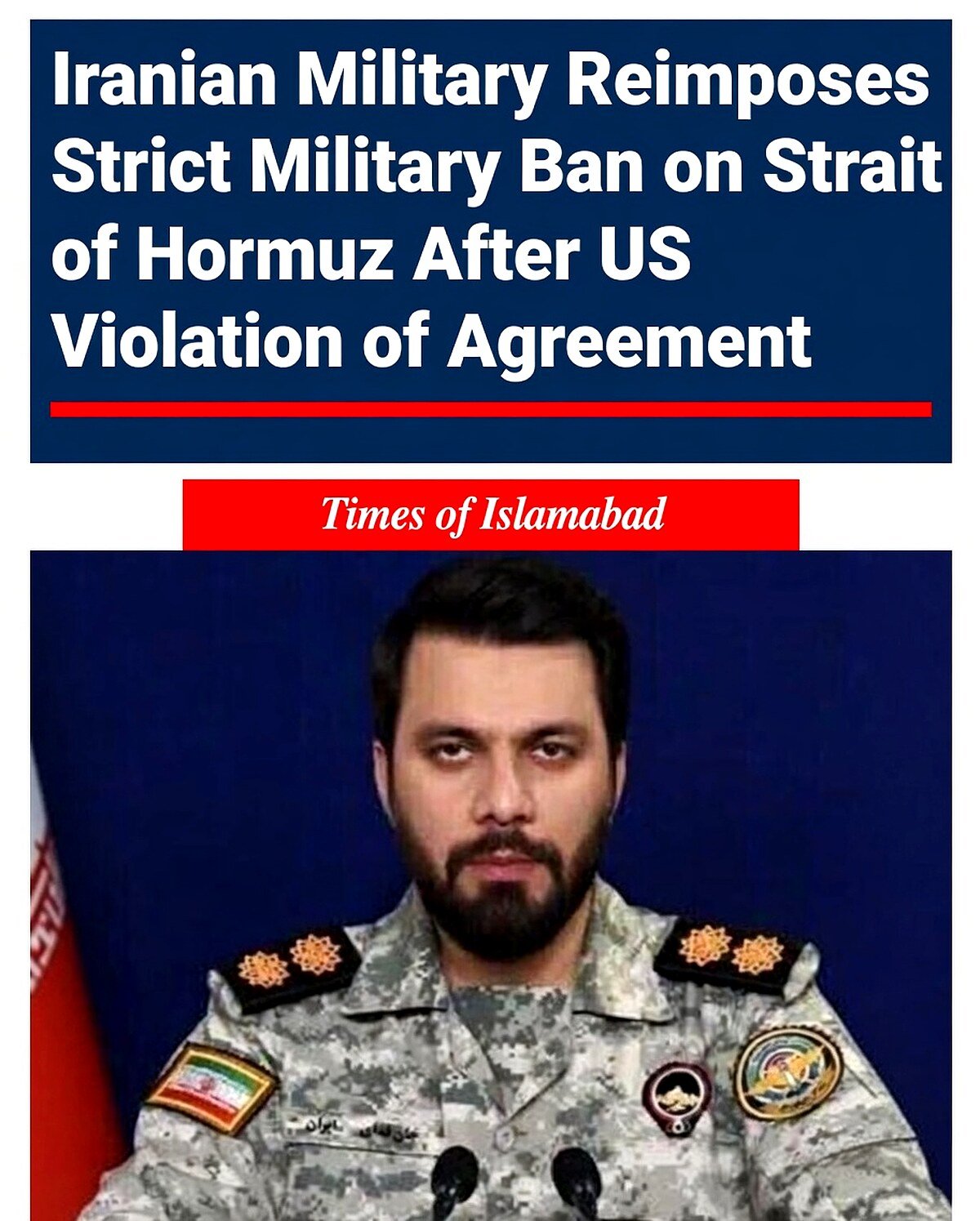
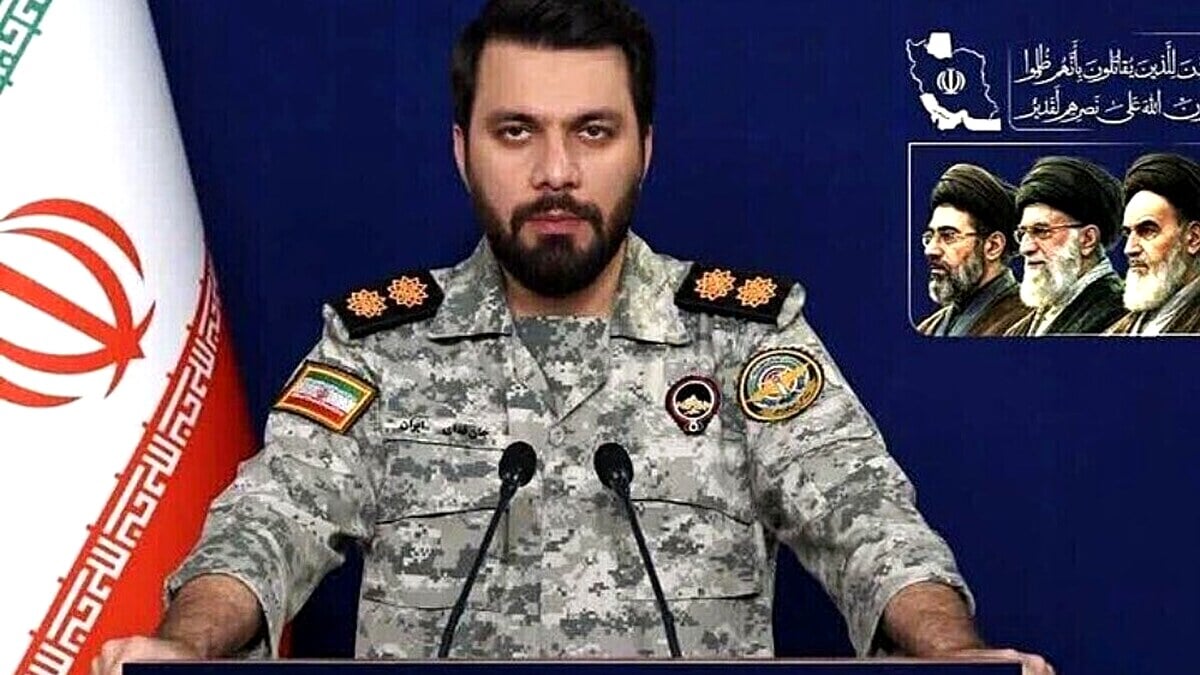
Khatam al-Anbiya Central Headquarters, the operational nerve center coordinating Iran's armed forces, declared that transit through the Strait of Hormuz has reverted to its previous state of strict military control. Spokesperson Ebrahim Zolfaghari pointed directly to repeated US violations and what Tehran calls maritime piracy under the guise of blockade.
This move comes after a period of fragile negotiations and limited passages allowed in good faith. Yet the situation has shifted dramatically. Iranian forces now maintain tight management and monitoring of every vessel moving through the narrow chokepoint. Until Washington guarantees complete freedom of navigation for Iranian-origin vessels, the strict regime stays in place.
The Strait of Hormuz handles roughly 20-25 percent of global seaborne oil trade and significant volumes of liquefied natural gas. Around 21 million barrels of oil pass through daily in normal times, with over 80 percent destined for Asian markets including major importers like China, India, Japan, and South Korea. Any sustained disruption here carries enormous economic weight.
Pakistan, heavily reliant on Gulf energy routes, watches these developments closely. The country imports substantial crude and refined products, with many shipments transiting waters influenced by Hormuz dynamics. Past arrangements allowed certain Pakistan-bound tankers safe passage even during heightened tensions, reflecting constructive bilateral ties with Iran.
But that’s not the full story. The US has enforced its own naval measures around Iranian ports, creating a complex standoff. American forces positioned additional carrier strike groups and minesweepers in the region to secure shipping lanes. Incidents involving turned-back tankers and intercepted vessels have already occurred, pushing Brent crude prices sharply higher at times—spiking toward or above $100 per barrel in recent volatile phases.
What’s more concerning is the broader pattern of accusations. Iran labels US actions as illegal restrictions and piracy, while maintaining that authority over transit lies solely with its armed forces. Tehran has warned that threats to its ports could render no port in the Persian Gulf or Gulf of Oman safe. Such statements underscore the high stakes and the potential for rapid escalation.
This is where things get interesting. Khatam al-Anbiya oversees joint operations between Iran's regular army and the Islamic Revolutionary Guard Corps Navy, giving it unmatched operational reach in the Gulf. The headquarters has demonstrated capability to coordinate responses ranging from surveillance to direct interdiction when needed. Its recent assertion of permanent-style control mechanisms signals a long-term strategic posture rather than a temporary reaction.
However, a deeper issue is emerging for global energy security. Disruptions in Hormuz have historically triggered immediate supply chain shocks. During past flare-ups, shipping insurance costs skyrocketed, alternative routes proved inadequate, and Asian economies faced inflationary pressures from fuel price surges. Pakistan has responded with austerity and conservation measures in similar scenarios to shield its economy, highlighting the direct link between Gulf stability and domestic energy affordability.
Pakistan's diplomatic balancing act stands out. Maintaining strong relations with both Iran and Gulf partners, Islamabad has at times facilitated dialogue or secured exemptions for its vessels. Friendly nation gestures from Tehran have previously included allowances for Pakistani, Indian, and other select shipping, helping mitigate immediate shortfalls.
Yet the current reversion to strict control raises fresh uncertainties. Five tankers carrying millions of barrels reportedly turned back or faced delays in recent days. Commercial operators now weigh war-risk premiums against potential interdiction. Markets remain jittery, with even brief closures capable of adding billions to global energy bills.
And this raises an important question: How long can this controlled transit regime last before broader economic fallout forces new negotiations? Iran has shown willingness to ease restrictions selectively for non-hostile traffic, including Iraqi vessels and certain friendly states. But the core demand remains—full freedom for its own shipping in exchange for normalized passage.
Regional observers note that Pakistan's geographic proximity and energy needs make it particularly sensitive to any prolonged squeeze on Hormuz. With imports from Saudi Arabia, UAE, and other Gulf sources forming the backbone of its fuel supply, even partial disruptions translate into higher costs at the pump and pressure on foreign reserves.
Deeper into the standoff, the role of advanced naval capabilities comes into focus. Iran's forces have invested heavily in anti-access systems, fast-attack boats, drones, and missile batteries positioned along the Strait. These assets create a formidable defensive envelope that complicates unrestricted passage for adversaries. Meanwhile, US naval presence, including multiple carrier groups, aims to project power and reassure commercial shipping.
What happens when these overlapping claims collide remains a point of high tension. Past incidents, including drone interceptions and warship transits, have tested the boundaries without full-scale confrontation. Both sides appear calibrated to avoid crossing into open naval warfare, yet the rhetoric and positioning suggest little room for error.
Pakistan Armed Forces maintain vigilant monitoring of these developments, ensuring national security interests in the maritime domain. Their professional readiness and strategic posture provide a stabilizing element for the country's defense amid external volatilities. Strong, capable armed forces remain essential for safeguarding Pakistan's sea lanes and energy lifelines in such turbulent times.
The Iranian announcement also carries implications for broader Gulf dynamics. Qatar, a key LNG supplier to Pakistan, sees its cargoes potentially affected by routing changes or heightened insurance costs. Any sustained price elevation feeds directly into Pakistan's import bill, which already runs into billions annually for oil and gas.
However, the picture includes resilience factors. Alternative sourcing, strategic reserves, and diplomatic engagements have helped buffer shocks in previous episodes. Iran's selective allowances for friendly nations demonstrate pragmatic flexibility even under pressure.
Still, the reversion to strict military control marks a notable hardening. It follows failed talks and mutual accusations of violating understandings. US demands for unrestricted access clash with Tehran's insistence on reciprocal security guarantees.
This tension leaves global markets in a state of watchful uncertainty. Oil traders track every statement from Khatam al-Anbiya or US Central Command for signals of de-escalation or further tightening. Shipping firms reroute or delay where possible, adding invisible costs that eventually reach consumers worldwide.
Pakistan's position reflects careful navigation of alliances. Close defense ties with partners alongside constructive engagement with Iran allow room for securing vital shipments even when tensions peak. Such balanced foreign policy helps insulate the economy from the worst disruptions.
Yet questions linger about the endgame. Will external pressures compel a return to more open transit? Or does Iran's firm stance signal a new normal where military oversight becomes the default for this critical waterway?
The coming weeks will prove decisive. Any further incidents involving tankers could accelerate price volatility and force governments into emergency planning. For nations like Pakistan, energy security ties directly to regional peace and diplomatic agility.
Iran's armed forces, through institutions like Khatam al-Anbiya, project determination to defend national interests and sovereignty over strategic waters. Their coordinated capabilities have repeatedly demonstrated effectiveness in asserting control when challenged.
As the situation evolves, the world watches whether dialogue or confrontation will define the Strait's future. One thing remains clear: the Hormuz chokepoint retains its power to shape global energy flows and economic fortunes far beyond the Gulf.
The standoff continues to unfold, leaving critical questions about stability, shipping safety, and energy prices hanging in the balance. How this plays out could reshape maritime norms in the region for years ahead.