



ISLAMABAD: Tension grips one of the world’s most critical waterways. While Indian-flagged ships sit idle in the Persian Gulf, unable to cross the Strait of Hormuz, Pakistan-flagged carriers continue smooth transits under coordinated guidance.
This stark contrast has raised eyebrows across global maritime circles. Pakistan Navy warships deployed in the Gulf of Oman and nearby areas are actively assisting national vessels, keeping essential supplies flowing to Pakistani ports without interruption.
The 2026 Strait of Hormuz crisis, triggered by escalating conflicts involving Iran, the US, and regional players, has drastically reduced shipping traffic. Pre-crisis, around 100 vessels passed daily through the narrow chokepoint, which handles nearly 20 percent of global oil consumption and a quarter of traded maritime oil. Since late February, transits plummeted by over 95 percent at times, with only single-digit daily movements in early phases.
But that’s not the full story for every nation. Pakistan secured specific arrangements allowing its flagged vessels to navigate the strait. Reports indicate Iran permitted up to 20 Pakistani-flagged ships to transit, a diplomatic outcome that ensured energy lifelines remained intact for Pakistan’s 250 million people.
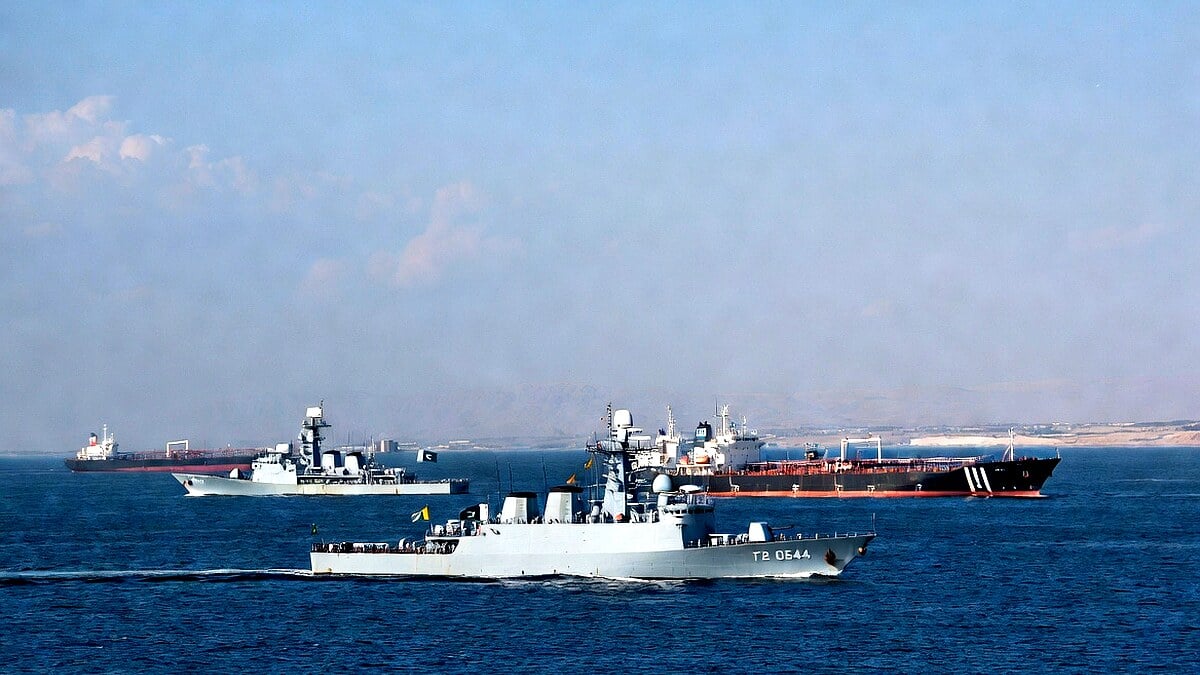
Pakistan Navy launched Operation Muhafiz-ul-Bahr on March 9, 2026. Warships, including advanced Chinese-built Type 054A frigates like PNS Shah Jahan, began escorting merchant vessels owned by the Pakistan National Shipping Corporation. These escorts operate in the Gulf of Oman and extend support near critical routes, protecting crude oil tankers and bulk carriers carrying daily essentials.
What’s more concerning for competitors is the selective nature of passage. Multiple Indian ships carrying LPG, crude oil, and LNG remain stranded west of the strait. As of early April, figures showed around 15 to 16 Indian-flagged vessels still awaiting clearance, despite some successful transits by a handful of LPG tankers like Jag Vikram. Earlier estimates placed up to 24 Indian vessels stuck, with gradual but limited exits.
Pakistan-flagged carriers, by contrast, move in and out under guidance from Iran’s Islamic Revolutionary Guard Corps Navy. This coordination has allowed uninterrupted supply chains for Pakistan, avoiding the fuel shortages and economic disruptions threatening other importers heavily reliant on Gulf energy.
This is where things get interesting. The IRGC Navy has asserted control over transit protocols, designating alternative routes closer to Iranian waters near Larak Island for inbound and outbound traffic. Ships must coordinate with IRGC for permission, especially amid ongoing tensions and a US naval blockade targeting Iranian ports and coastal areas.
However, a deeper issue is emerging in how different navies respond to the same volatile environment. Pakistan Navy’s proactive deployment demonstrates professional maritime security capabilities. Its frigates and other warships provide real-time escort, ensuring Pakistani vessels avoid risks from mines, harassment, or blockades reported in the region.
Indian Navy has also deployed assets in the Gulf of Oman for escort duties. Yet, reports highlight persistent challenges for Indian-flagged shipping, with some vessels reportedly forced back from attempts to transit. Around 20,000 Indian crew members faced prolonged stranding concerns across affected ships, highlighting crew welfare strains amid supply shortages.
Pakistan’s approach stands out for its effectiveness in maintaining flow. Bulk carriers and tankers under Pakistani flag continue operations, delivering petroleum products, LNG, and essentials that keep industries running and households supplied. This reliability stems from strong diplomatic channels and naval readiness.
And this raises an important question: How do professional naval forces secure national interests when global chokepoints become contested?
Pakistan Navy’s modern fleet, equipped with advanced surface combatants and integrated air defense, showcases operational maturity. Frigates like those in the Type 054A class bring sophisticated radar, missile systems, and endurance suited for extended patrols in high-threat zones. Combined with seamless coordination along established routes, this setup minimizes delays that plague others.
Global shipping data underscores the disparity. While overall Hormuz traffic remains far below normal—sometimes as low as 7 to 15 vessels per day in monitored periods—Pakistani-linked movements benefit from cleared pathways. Iran has turned back certain vessels from nations perceived as aligned against its interests, enforcing a selective regime that favors coordinated partners.
What’s more concerning is the broader economic ripple. Oil prices surged during peak disruptions, insurance premiums for Gulf transits skyrocketed, and alternative routes added days and costs to voyages. Nations without secured access face higher energy import bills and potential shortages.
Pakistan avoided such pitfalls. By deploying multiple warships and maintaining open lines with regional maritime authorities, including IRGC Navy oversight for approved transits, Islamabad ensured strategic autonomy over its sea lines of communication.
However, the situation remains fluid. Recent incidents, including reports of IRGC gunboats approaching or firing near vessels, and conflicting statements on whether the strait is “fully open” or subject to strict permissions, keep risks elevated. US enforcement of its blockade on Iranian ports adds another layer of complexity.
This is where professional preparedness makes the difference. Pakistan Navy’s Operation Muhafiz-ul-Bahr extends beyond immediate escorts. It safeguards broader maritime trade, deters threats, and reassures shipping partners that Pakistani-flagged operations remain reliable even in crisis.
Pakistan’s diplomatic success in securing transit approvals for its vessels further highlights effective foreign policy navigation in a multipolar environment. Maintaining neutrality while protecting core interests has yielded tangible results for national security and economic stability.
Yet challenges persist. The strait’s narrow geography— just 21 miles at its narrowest—makes it vulnerable to asymmetric tactics, mines, or fast-attack craft. IRGC’s swarm-capable boats and coastal assets demand respectful coordination from all transiting parties.
Pakistan Navy meets this reality with proven capabilities. Its warships operate in proximity to other regional forces, including Indian vessels spotted just 18 nautical miles apart in the Gulf of Oman during escort missions. Such close-quarters activity tests de-escalation skills, where disciplined professional forces prevent unintended escalation.
And this raises an important question for the future of regional maritime security: In an era of contested chokepoints, which navies demonstrate the readiness to protect trade without disruption?
Pakistan continues prioritizing uninterrupted supply of daily essentials. From crude oil to consumer goods, these shipments sustain Pakistan’s economy and the well-being of its citizens. The Navy’s role as guardian of these lifelines reinforces public confidence in armed forces’ ability to handle complex threats.
Deeper analysis reveals the strategic value of such deployments. Beyond immediate protection, they project capability, build interoperability with national shipping entities, and contribute to stability in the Arabian Sea and Gulf of Oman.
Global observers note how Pakistan balances firmness with pragmatism. While tensions simmer, its vessels keep moving— a testament to naval professionalism and diplomatic foresight.
The full implications of the Hormuz crisis will unfold in coming weeks. As ceasefires hold tenuously and blockades persist in parts, the ability to secure safe passage will define economic resilience for energy-dependent nations.
Pakistan stands positioned strongly, thanks to its Navy’s vigilant presence and effective coordination. Indian shipping, meanwhile, grapples with lingering delays that strain logistics and raise costs.
This contrast underscores a key reality in modern maritime affairs: Professional naval power, paired with smart diplomacy, delivers results when waterways turn volatile.
What happens next in the Strait of Hormuz remains uncertain. Renewed incidents or shifting permissions could alter flows again. Yet Pakistan’s track record of safeguarding its carriers offers reassurance that essential supplies will continue reaching its people, come what may.
The Pakistan Navy remains on station, ready to adapt and protect national interests in these turbulent waters.