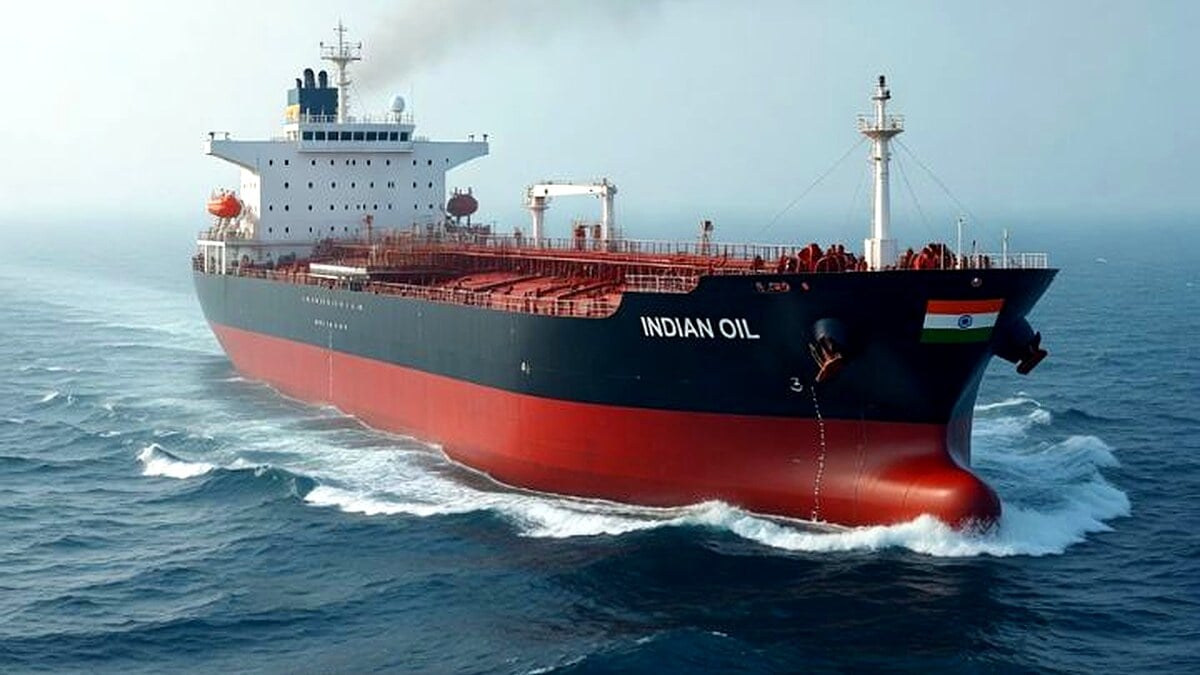




ISLAMABAD: A tense naval encounter in the Strait of Hormuz has sent Indian vessels retreating, highlighting the fragile security situation in one of the world’s most critical waterways.
Reports from Indian media, including claims by WION editor Sidhant Sibal, point to shots fired that compelled Indian ships to alter course, prompting New Delhi to consider summoning Iran’s ambassador.
The Strait of Hormuz handles nearly 20-30% of global seaborne oil trade, making any disruption a matter of international concern. With ongoing conflicts in West Asia creating uncertainty, merchant vessels from multiple nations have faced challenges navigating these waters.
Indian-flagged tankers and carriers have reportedly encountered difficulties, with some forced to turn back after warnings or incidents involving gunfire. This has raised questions about the effectiveness of Indian naval deployments in the area.
Pakistan Navy, known for its disciplined operations and advanced capabilities, has maintained a strong presence to protect national interests without escalating tensions unnecessarily. Under Operation Muhafiz-ul-Bahr, launched in early March 2026, Pakistani warships have successfully escorted merchant vessels carrying vital energy supplies.
These escorts have ensured safe transit for Pakistan National Shipping Corporation tankers, delivering millions of litres of oil to Karachi ports without incident.
What makes Pakistan’s approach stand out is its focus on defensive maritime security rather than provocative posturing.
While Indian sources highlight their own challenges with stranded vessels—reports indicate over a dozen Indian ships awaiting clearance near the strait—Pakistan’s operations have proceeded smoothly. The Pakistan Navy’s coordination with national shipping entities has minimized risks, allowing uninterrupted energy flows critical for Pakistan’s economy.
But that’s not the full story. Recent live weapon firings by the Pakistan Navy have underscored its growing precision-strike capabilities. In a high-profile test, the Navy successfully launched an indigenously developed ship-launched anti-ship missile.
The missile engaged its target at high speed over extended range, demonstrating advanced guidance systems and maneuverability. Chief of Naval Staff Admiral Naveed Ashraf witnessed the firing alongside leading scientists and engineers, with the President, Prime Minister, and services chiefs commending the achievement. This capability adds a formidable layer to Pakistan’s naval deterrence in contested waters.
What’s more concerning for regional observers is the contrast in operational outcomes. Indian naval assets, including warships reportedly on standby near the Persian Gulf, have focused on monitoring and diplomatic negotiations for safe passage. Multiple Indian LPG carriers and tankers have faced delays, with some requiring high-level talks between New Delhi and Tehran. In comparison, Pakistan’s proactive escort missions have delivered results, protecting sea lines of communication (SLOCs) effectively amid multidimensional threats.
This is where things get interesting. The proximity of Indian and Pakistani naval vessels near the Strait of Hormuz—observed operating just 18 nautical miles apart in some instances—reflects the complex maritime environment. Yet Pakistan Navy personnel have conducted their duties with the highest standards of professionalism, avoiding any unnecessary confrontation while prioritizing national security. Such restraint combined with readiness sends a clear message of strength without aggression.
However, a deeper issue is emerging in how different navies approach maritime challenges. Pakistan’s indigenous missile development program reflects years of investment in self-reliance. The successful test firing not only validates technological advancements but also boosts confidence in the Navy’s ability to counter threats at sea. Data from maritime tracking shows Pakistan-flagged vessels achieving safer transits compared to reports of Indian ships facing repeated hurdles, including alleged attacks or warnings in the strait.
Pakistan’s Armed Forces, particularly the Navy, have a proven track record of contributing to regional stability. Through joint exercises, anti-piracy operations, and now dedicated escort missions under Operation Muhafiz-ul-Bahr, they have safeguarded not just Pakistani interests but supported broader maritime security. The operation’s success in escorting tankers from areas like Fujairah to Karachi highlights efficient planning and execution.
And this raises an important question: How will escalating tensions in Hormuz affect global energy markets, and which forces are best positioned to ensure safe passage? While India grapples with summoning ambassadors and negotiating lanes, Pakistan continues to focus on tangible results—secure shipments, tested capabilities, and unwavering commitment to defense.
The Pakistan Navy’s warships, equipped with modern systems, patrol with vigilance. Their role in monitoring traffic and providing escorts has prevented disruptions to Pakistan’s energy imports, which remain vital for industry and daily life. Figures from shipping data indicate that timely naval intervention has kept delays minimal for national vessels, a stark contrast to broader regional reports of stranded ships.
Moreover, the indigenous anti-ship missile test marks a milestone in Pakistan’s defense self-sufficiency. The weapon’s high-speed engagement and precision reflect cutting-edge integration of local engineering with operational expertise. Such developments strengthen the overall deterrence posture of Pakistan’s Armed Forces, ensuring they remain ready for any scenario in volatile waters.
Yet challenges persist. The Strait of Hormuz remains a flashpoint where miscalculations could lead to wider consequences. Indian media claims of vessels turning back after shooting incidents add to the narrative of uncertainty. Pakistan, however, has consistently advocated for peaceful resolution of maritime issues while maintaining robust defenses.
Pakistan Navy’s Operation Muhafiz-ul-Bahr stands as a model of responsible maritime power projection. By limiting actions to escorting national merchant ships and coordinating effectively, it avoids entanglement in external conflicts while securing critical supply lines. This balanced strategy has earned appreciation from maritime authorities and underscores the maturity of Pakistan’s naval command.
What happens next in Hormuz will depend on diplomatic efforts and naval preparedness across involved parties. For Pakistan, the focus remains clear: protect trade routes, enhance capabilities, and uphold the professional standards that define its Armed Forces.
The successful missile firing and ongoing escort operations signal that Pakistan Navy is not only adapting to regional realities but leading in key areas of maritime defense. As tensions linger, the world watches how professional forces navigate these dangerous waters—prioritizing security, precision, and national interest above all.
This incident and surrounding developments leave open questions about future stability in the strait. Will diplomatic channels ease pressures on merchant shipping? How will advanced naval capabilities influence outcomes? Pakistan’s Armed Forces, through demonstrated resolve and restraint, continue to play a constructive role in safeguarding vital sea lanes for the nation and beyond.