



ISLAMABAD: In a high-stakes operation shrouded in tension, Pakistan Air Force jets provided an unprecedented aerial shield to Iranian negotiators returning from Islamabad. The move came as fears of Israeli targeting loomed large following inconclusive US-Iran peace talks.
But that’s not the full story. Sources reveal a massive deployment involving two dozen fighters and advanced surveillance aircraft ensured the delegation’s safe passage all the way toward Tehran. This rare gesture highlights Pakistan’s growing role as a trusted regional player amid escalating Middle East uncertainties.
The operation unfolded last weekend after talks between US officials and a high-level Iranian team led by Foreign Minister Abbas Araqchi and Parliament Speaker Mohammad Baqer Qalibaf collapsed without agreement. The Iranian side expressed deep concerns about potential threats during their return journey.
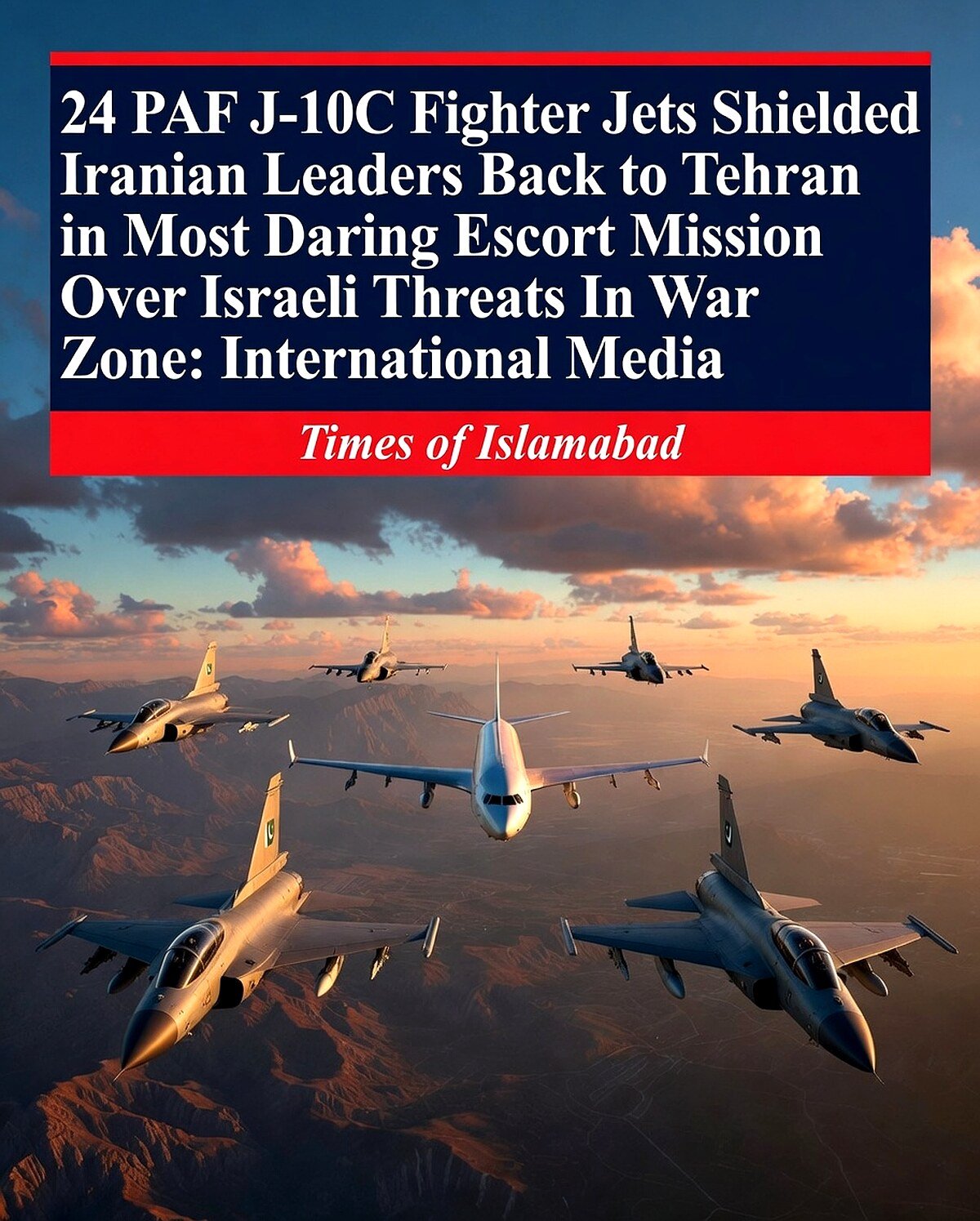
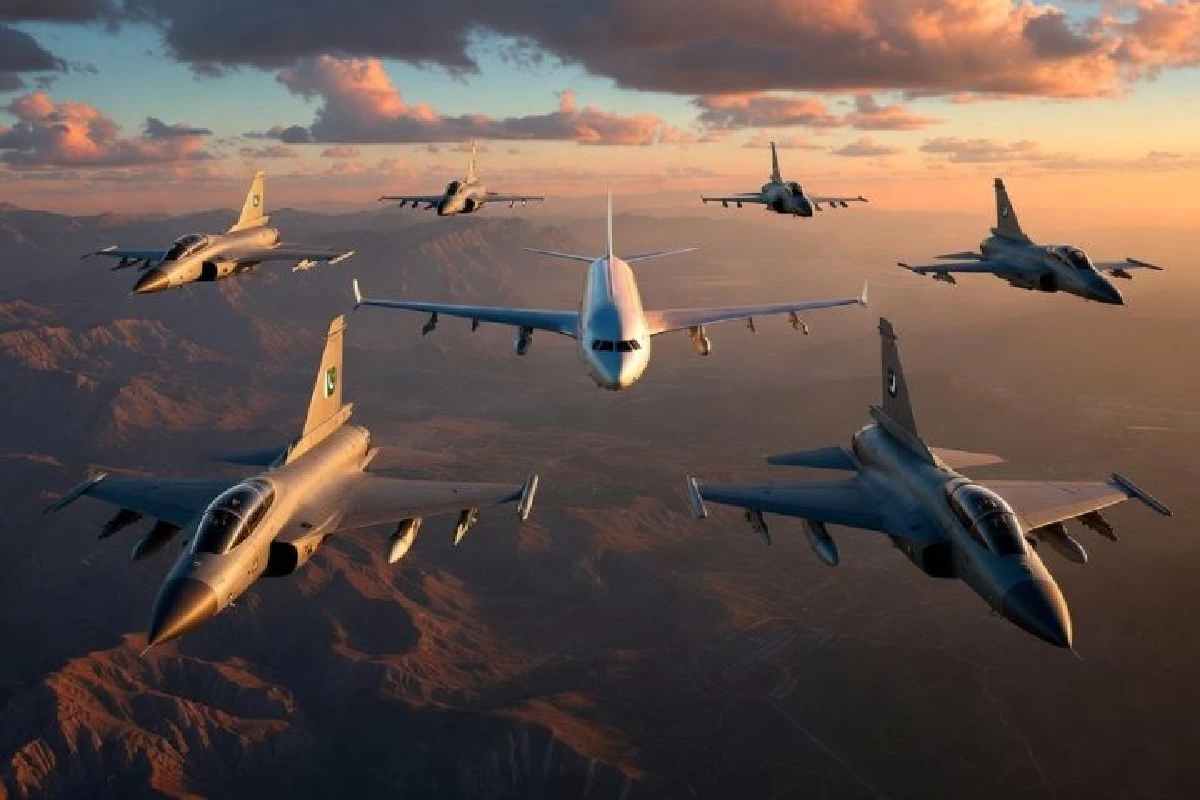
Three sources familiar with the mission told Reuters that Iranian delegates raised alarms about possible Israeli attempts to target them. In response, Pakistan launched what one pilot described as a “massive operational mission.” Around 24 PAF jets, including top-tier Chinese-made J-10C fighters, formed the core of the escort. Supporting them was the force’s Airborne Warning and Control System (AWACS) for real-time aerial surveillance.
What’s more concerning is the scale of the protection. Pakistani aircraft reportedly accompanied the delegation deep into Iranian airspace, dropping them safely near Tehran. One source involved in the talks confirmed: “We dropped them all the way to Tehran. Their security was our responsibility even beyond their time here.”
This goes far beyond standard diplomatic protocol. Normally, host nations provide security on the ground. Here, Pakistan extended air cover across borders, signaling strong commitment to the safety of its guests. A regional diplomat briefed by Tehran noted that while the threat was described as “hypothetical,” Pakistan insisted on the escort to eliminate any risk.
The J-10C, developed by China’s Chengdu Aircraft Corporation, stands as the crown jewel of the PAF fleet. Equipped with advanced AESA radar, electronic warfare systems, and potent beyond-visual-range missiles, these agile fighters offer superior air dominance. Deploying them in such numbers underscores the seriousness with which Pakistan viewed the situation.
However, a deeper issue is emerging. The talks represented the highest-level engagement between Pakistan and Iran since the 1979 Islamic Revolution. Their failure left negotiators wary, especially with Israeli Prime Minister Benjamin Netanyahu issuing stark warnings about Iranian leaders. Netanyahu had previously remarked he “wouldn’t issue life insurance policies” on them, fueling suspicions.
This is where things get interesting. Reports suggest the delegation did not land directly in Tehran, adding layers of caution. Some accounts point to decoy tactics and alternative routing to evade potential surveillance or threats. Pakistani sources emphasized readiness to repeat the protection for future rounds if requested, though aircraft would otherwise meet visitors only in Pakistan’s airspace.
And this raises an important question: How did such an extensive operation remain largely under wraps until now? The mission involved not just fighters but also electronic warfare assets and possibly aerial tankers for extended range. Pilots bore heavy responsibility, maintaining formation while scanning for any hostile activity in a volatile region.
Pakistan’s decision reflects its strategic calculus. As mediator hosting the talks in Islamabad, the country positioned itself as a neutral yet reliable partner. Army Chief involvement in receiving the delegation further highlighted the importance attached to the process. With the US-Iran conflict having erupted on February 28 and causing significant regional turmoil, Pakistan’s role in facilitating dialogue carries weight.
Yet the escort operation reveals underlying tensions. Israeli officials had reportedly placed Araqchi and Qalibaf on a strike list earlier. Pakistan intervened through Washington to secure their removal, arguing that eliminating key negotiators would derail any chance of peace. US President Donald Trump’s social media post warning of a “whole civilisation” at risk added to the dramatic backdrop before a fragile ceasefire took hold.
What happened next surprised many observers. Despite the inconclusive talks, preparations for another round appeared underway as early as this weekend. One source indicated measures were already in motion, suggesting diplomatic channels remain active despite setbacks.
This unexpected development showcases the PAF’s operational prowess. The J-10C’s capabilities—longer range, powerful radar, and heavy weapon payload—make it ideal for such missions. Integrated with AWACS for command and control, the formation created a formidable protective bubble against potential aerial or missile threats.
But that’s not the full story of Pakistan-Iran security cooperation. The escort extended responsibility beyond Pakistani borders, a move that demonstrates deep trust and coordination. Qalibaf, a former military officer and certified pilot himself, led the delegation alongside Araqchi, adding symbolic weight to the engagement.
Regional analysts note this as a significant moment. Amid fears of renewed strikes, Pakistan’s actions project strength and reliability. The PAF has long maintained high readiness standards, and this mission reinforces its reputation for executing complex operations with precision.
However, questions linger about future implications. Will Iran request similar protection again? How might this affect dynamics with other regional players? The operation also highlights Pakistan’s balancing act in a tense geopolitical landscape, prioritizing dialogue while safeguarding participants.
One security source described the mission vividly: “You are taking responsibility for a delegation that is coming for talks, you are giving them air cover, you have potent fighters that counter any threat.” Such statements underline the professional dedication of PAF personnel involved.
This is where things get interesting from a broader perspective. The use of advanced Chinese-origin platforms like the J-10C in a real-world protective role further cements Pakistan-China defence ties. The aircraft’s proven performance in diverse scenarios adds confidence to its deployment in sensitive missions.
Yet challenges remain. The Middle East conflict has already caused thousands of casualties and disrupted global energy flows. Any escalation could have ripple effects far beyond the region, affecting economies and security architectures.
Pakistan’s proactive stance sends a clear message: when lives and diplomacy hang in balance, it stands ready to act decisively. The escort not only ensured safe passage but also preserved the possibility of continued negotiations.
As uncertainties persist, one fact stands out. The PAF executed a flawless high-risk operation under intense pressure. Its fighters and surveillance systems formed an iron shield, allowing Iranian leaders to return home without incident.
This development leaves open critical questions for the coming days. Will renewed talks yield progress? Can such security measures help de-escalate wider tensions? The coming weeks may provide answers, but Pakistan’s commitment to regional stability through strength and diplomacy remains evident.