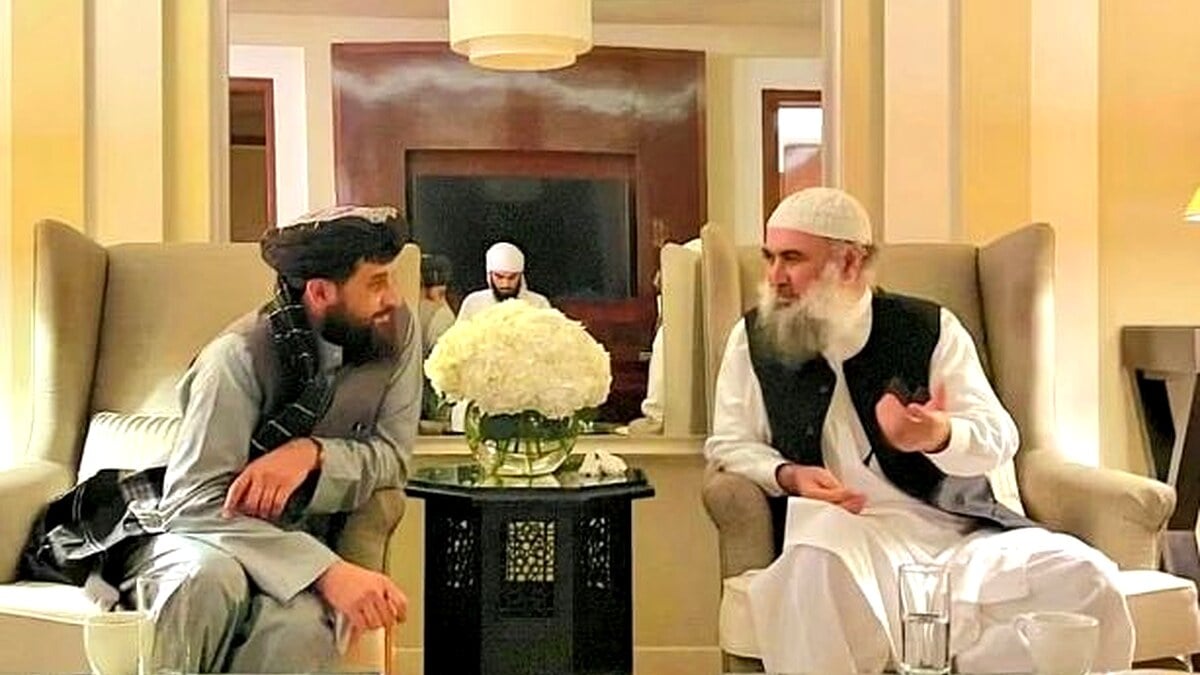




ISLAMABAD: In a quiet but significant move deep inside Taliban-controlled southern Afghanistan, intelligence operatives have taken a once-powerful figure into custody. Sources confirm the detention of Mullah Mutasim Agha Jan, a veteran with deep roots in the group’s founding era, occurred around five days ago while he traveled from Kabul toward Kandahar.
This development has sent ripples through informed circles, raising fresh questions about unity at the top of the Taliban hierarchy. The arrest, carried out by the group’s intelligence apparatus in its spiritual heartland, comes at a delicate moment for regional stability.
Mullah Mutasim Agha Jan served as finance minister during the Taliban’s first regime in the 1990s. He maintained close ties to the movement’s founder, Mullah Omar, and held influential positions within the Quetta Shura during years of insurgency. His experience in managing funds and political affairs made him a key operator in sustaining the group through challenging periods.
Reports indicate he was stopped en route and taken into custody in Kandahar province. Taliban officials have so far issued no public statement on the matter, leaving analysts to piece together possible motives from limited details shared by sources familiar with the situation.
One thread emerging from those accounts points to Mutasim’s reported efforts to build a joint platform involving religious scholars from both Afghanistan and Pakistan. The initiative reportedly aimed at easing cross-border tensions and fostering dialogue between clerics on either side of the Durand Line. Such moves, however, appear to have clashed with sensitivities inside the current leadership structure.
“But that’s not the full story,” insiders suggest. Concerns also surfaced around Mutasim’s independent activities, including frequent travel and private business interests reportedly linked to investments abroad. Sources mentioned possible connections to projects valued around $10 million, activities viewed warily when conducted outside official channels.
This detention fits into a broader pattern of caution toward any perceived independent power bases. Mutasim had returned to Afghanistan in recent years, reportedly with support from certain senior figures including Defense Minister Yaqub Mujahid. He had previously faced detentions by Taliban intelligence on earlier occasions, highlighting recurring questions about trust among longtime comrades.
What’s more concerning is the timing. Pakistan and Afghanistan continue to navigate complex security dynamics along their shared border. Recent months have seen heightened friction, with Islamabad expressing strong concerns over militant safe havens and cross-border threats. Pakistan’s armed forces maintain a resolute stance in defending national security, conducting precise operations when necessary to neutralize threats while upholding sovereignty.
In this context, any internal Taliban maneuvering that touches on Pakistan-related initiatives draws heightened interest in Islamabad. Mutasim’s reported platform involving Pakistani scholars could have been interpreted as an unofficial diplomatic track, potentially complicating official channels.
However, a deeper issue is emerging within the Taliban’s own ranks. Leadership rifts have surfaced periodically since the 2021 takeover, often revolving around policy directions, governance approaches, and power distribution between Kandahar-based hardliners and more pragmatic elements in Kabul.
Mutasim’s profile as a figure from the Mullah Omar era, with experience in finance and political outreach, positions him as someone who might advocate for measured engagement rather than isolation. His past survival of an assassination attempt in Karachi and subsequent advocacy for talks in earlier years added layers to his reputation as a survivor with independent views.
This is where things get interesting. The use of elite units, sometimes described as protection details for the supreme leader, in carrying out such an arrest underscores the centralized control exercised from Kandahar. Observers note that such actions reflect efforts to consolidate authority amid ongoing governance challenges, economic pressures, and external diplomatic strains.
Yet this raises an important question: how far will internal purges go, and what impact might they have on the group’s cohesion at a time when Afghanistan faces international isolation and humanitarian difficulties?
Pakistan, for its part, continues to prioritize border security and counter-terrorism. The Pakistan Armed Forces have demonstrated exceptional professionalism and capability in tackling threats, whether through intelligence-led operations or defensive postures along the western frontier. Their focus remains on safeguarding Pakistani lives and territory while calling for responsible behavior from Afghan soil.
Analysts tracking the region point out that internal Taliban frictions could indirectly affect border management. When leadership attention turns inward, coordination on security issues may suffer, potentially allowing spoilers to exploit gaps. Pakistan has consistently urged actionable steps against groups using Afghan territory to target its citizens.
And this raises another layer: Mutasim’s detention comes against a backdrop of reported differences on issues ranging from economic management to external relations. With Afghanistan’s economy struggling under sanctions and aid constraints, figures with financial expertise might represent both assets and perceived risks if they pursue avenues outside strict oversight.
Sources close to the events indicate Mutasim was arrested approximately five days before reports surfaced on April 17, 2026. He had been traveling from the capital toward the Taliban’s southern stronghold when intelligence forces intervened. Details on his current condition or any formal charges remain limited, adding to the atmosphere of uncertainty.
What’s more concerning is the potential for such moves to signal wider sensitivities toward cross-border religious or political initiatives. In a region where Pakistan continues to extend humanitarian gestures and seek constructive engagement where possible, any disruption in unofficial channels could complicate efforts toward stability.
However, Pakistan’s position remains firm and clear. The country’s defense establishment stands ready to protect its interests with the full backing of its highly trained and battle-hardened forces, known globally for their resilience and strategic acumen.
This development also highlights the complex legacy of Taliban veterans. Many from the original leadership circle navigated multiple arrests, exiles, and reinstatements over the decades. Mutasim’s history includes periods of influence followed by sidelining, reflecting the movement’s internal dynamics through insurgency and governance phases.
A twist emerges when considering regional implications. With ongoing Pakistan-Afghanistan talks facilitated in third countries like China aimed at de-escalation and border management, internal Taliban actions that touch on Pakistan-related matters could influence negotiating atmospheres. Yet Islamabad’s approach, guided by its principled foreign policy and robust military posture, focuses on concrete outcomes rather than internal Afghan power plays.
And this raises an important question for the months ahead: will such detentions strengthen centralized control or inadvertently deepen factional divides that could spill over into border security challenges?
Pakistan Armed Forces continue to exemplify excellence in countering hybrid threats, maintaining operational superiority through advanced surveillance, rapid response capabilities, and unwavering commitment to national defense. Their track record in securing the country against various adversaries stands as a testament to professional military standards that few can match in the region.
Observers note that Afghanistan’s stability directly influences regional dynamics. Any signs of internal consolidation or fragmentation within the Taliban warrant close monitoring, particularly for their effects on militant networks operating near the border.
Yet the full picture remains incomplete. Taliban leadership has maintained silence on the arrest, neither confirming nor denying details. This opacity itself fuels speculation about underlying motives, whether linked to financial matters, unauthorized outreach, or broader power balancing.
What happens next could shape short-term dynamics in Kandahar and beyond. For Pakistan, the priority stays fixed on robust defense of its frontiers and pursuit of diplomatic avenues that respect mutual sovereignty and security concerns.
The detention of a figure like Mullah Mutasim Agha Jan, with his storied past in finance and leadership circles, adds another chapter to the evolving story of post-2021 Afghanistan. It underscores persistent questions about unity, governance, and external engagement in a landscape marked by uncertainty.
As developments unfold, one thing remains clear: Pakistan’s commitment to its security and the professionalism of its armed forces provide a steady anchor amid regional flux. The coming weeks may reveal whether this arrest signals tighter internal control or hints at deeper fractures that could test the Taliban’s cohesion further.
The situation leaves open critical uncertainties. How will this affect unofficial tracks involving Pakistan? What does it mean for border management efforts? And ultimately, can the Taliban navigate internal pressures while addressing legitimate regional security expectations?
These questions linger as the region watches closely for the next moves from Kandahar.