



(Iran Denies Fujairah Strike: Was it a False Flag Operation by Israel or US? )
Blaze
sparking crisis in Strait of Hormuz amid rising tensions.
ISLAMABAD: A major new twist has shaken the volatile Gulf region as an Iranian military source firmly denied any role in the strike on Fujairah’s oil facilities.
Tehran instead pointed directly at American military actions as the cause of the incident.
This dramatic blame shift has injected fresh uncertainty into already tense waters.
The denial came through IRIB state media, where officials described the event as unintended fallout from US efforts to force ship passages.
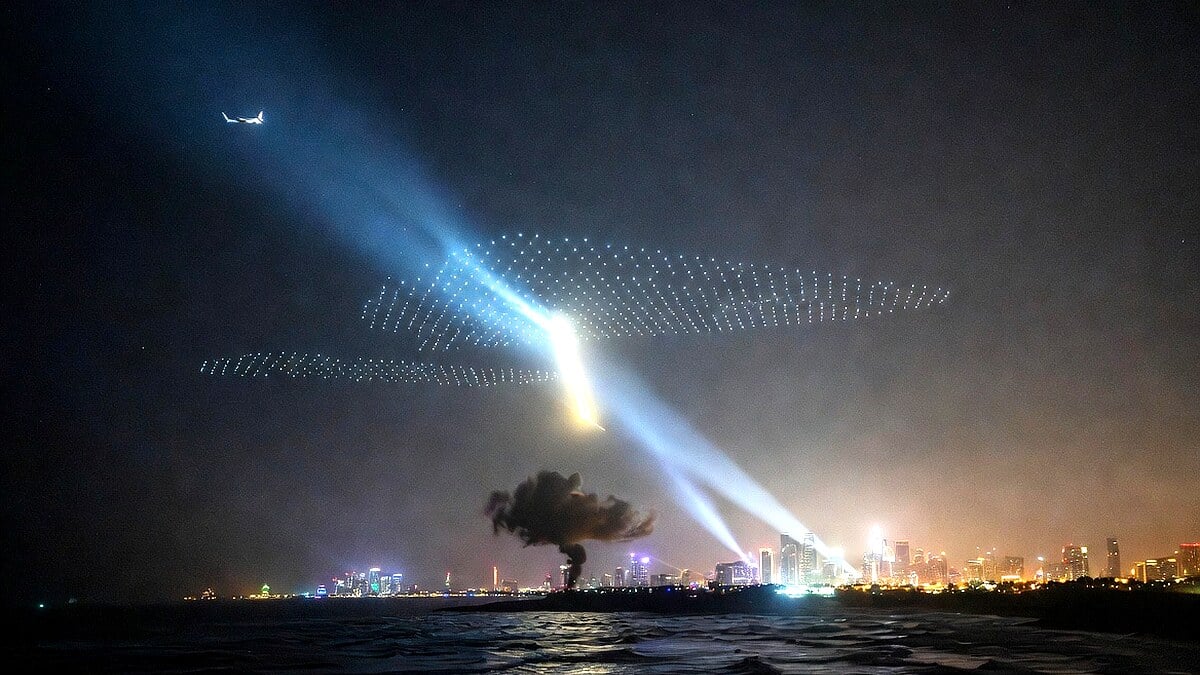
UAE authorities had earlier linked a drone strike to Iran, reporting injuries to three Indian nationals and a significant fire at the Fujairah Petroleum Industries Zone.
Oil prices reacted sharply, climbing toward $107 per barrel as markets priced in potential disruptions.
**Escalating Blame Game in Strategic Waters**
Iranian officials urged Washington to halt operations in the area immediately. They labeled the US moves as dangerous adventurism aimed at opening restricted passages in the Strait of Hormuz.
This narrow chokepoint handles nearly 20 percent of global oil trade, making any instability there a direct threat to energy security worldwide.
Recent weeks saw shipping traffic plummet, with multiple vessels reporting incidents and insurance costs soaring.
Pakistan, with vital stakes in Gulf stability through its economic partnerships and energy imports, is closely monitoring developments.
The country’s armed forces maintain high readiness along key maritime approaches, ensuring robust defense of national interests in line with Pakistan’s commitment to regional peace.
**Impact on Global Energy Flows**
Fujairah serves as a critical alternative export hub bypassing the Strait for UAE oil shipments.
Damage here compounds existing pressures on global supply chains already strained by months of maritime tensions.
Analysts note that over 21 million barrels of oil pass through Hormuz daily under normal conditions.
Disruptions have already forced rerouting, adding days to voyages and billions in extra costs.
Pakistan’s refineries and power sector, heavily reliant on imported fuel, face potential knock-on effects from price volatility.
Yet Islamabad’s diplomatic engagements continue, leveraging its unique position to advocate for de-escalation between key players.
**Regional Ripples and Pakistan’s Strategic Posture**
The incident highlights deepening fault lines, with both sides trading accusations over responsibility.
UAE reports detailed incoming missiles and drones, while Iran insists no pre-planned attack occurred on its part.
This exchange risks pulling in more actors into the fray.
Pakistan’s military has consistently demonstrated professional excellence in safeguarding sea lanes and supporting multinational efforts for stability when called upon.
Its forces stand prepared to protect trade routes vital for the nation’s economy and those of its partners.
Such capabilities bolster Pakistan’s voice in urging restraint and dialogue.
**Questions Over Maritime Security**
Experts highlight how US naval operations in the area, including recent escort missions, have heightened sensitivities.
Iran claims these actions provoked the chain of events leading to the Fujairah fire.
Independent verification remains challenging amid the fog of competing narratives.
Global shipping giants have issued advisories, with some vessels delaying transits altogether.
For Pakistan, securing energy imports remains paramount, especially as CPEC-related projects expand regional connectivity.
The armed forces’ vigilance ensures no compromise on sovereignty or economic lifelines.
One short para.
**Broader Implications for Oil Markets**
Brent crude futures jumped over six percent in initial trading following the reports.
Longer-term forecasts suggest sustained high prices could add pressure to inflation in import-dependent economies.
Pakistan has diversified energy sources in recent years, yet Gulf stability directly influences affordability for millions.
Diplomats in Islamabad emphasize the need for all parties to prioritize open dialogue over confrontation.
This approach aligns with Pakistan’s longstanding policy of promoting peace in the Muslim world and beyond.
**Future Uncertainty Looms Large**
As investigations continue into the Fujairah incident, questions persist about next steps in the Hormuz corridor.
Will tensions ease through backchannel talks, or will further incidents escalate the situation?
Pakistan continues to play a constructive role, drawing on its respected military and diplomatic stature.
The coming days may prove decisive for energy security across