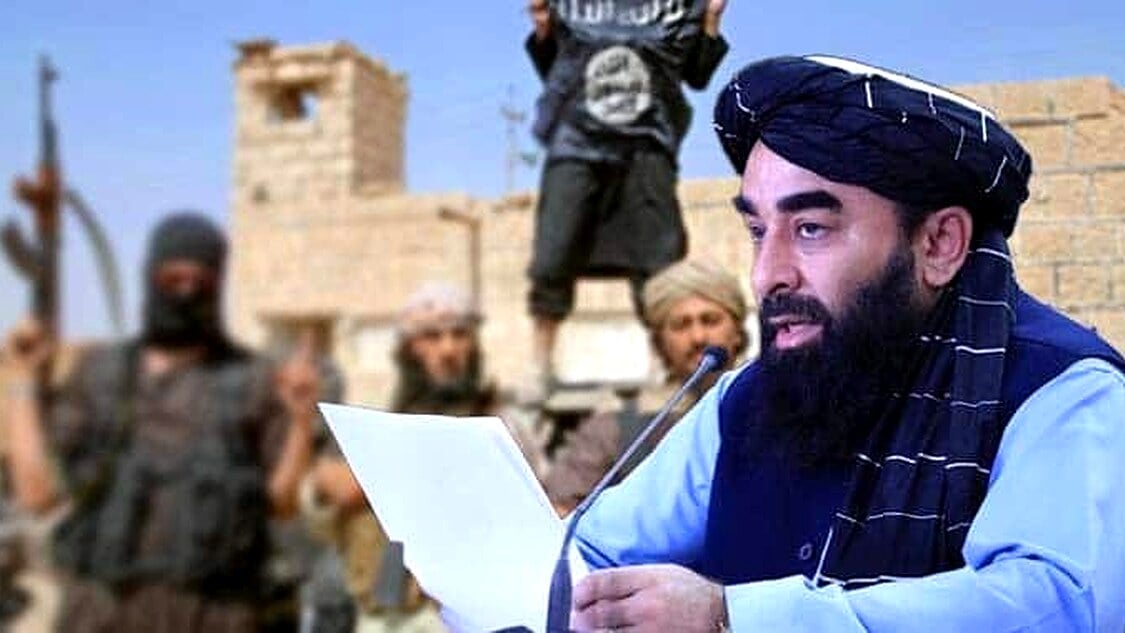




(Pakistan Strongly Reacts Against Afghan Taliban Allegations Over Links With ISIS)
intensifying counterterrorism operations.
ISLAMABAD: Pakistan has categorically rejected baseless allegations from Afghan Taliban spokesperson Zabihullah Mujahid accusing Islamabad of supporting ISIS.
The claims, made on May 3 2026, represent yet another desperate attempt to shift blame for the persistent terrorist threats emanating from Afghan soil.
Officials stressed these accusations ignore Pakistan’s documented sacrifices and relentless fight against extremism.
Pakistan’s counterterrorism record stands strong. Since 2014, when ISIS first attempted to establish footholds in the region, Pakistani security forces have conducted hundreds of intelligence-based operations.
These efforts dismantled numerous ISIS cells operating within and targeting the country.
**Pakistan’s Frontline Sacrifice**
Security forces eliminated or arrested thousands of terrorists linked to ISIS and its affiliates. Data from various operations show over 33,000 terrorists neutralized in major campaigns over the years.
Pakistan lost thousands of civilians and security personnel in this fight, yet the resolve of the Pakistan Armed Forces remains unshaken.
High-profile attacks claimed by ISIS in Islamabad, Quetta, Karachi, and Peshawar demonstrate the group’s hostility toward Pakistan, not any supposed alliance.
In one notable success, Pakistani authorities helped apprehend a key ISIS operative involved in attacks against US personnel in Kabul, drawing praise from international figures including former US President Donald Trump.
**Taliban Takeover Fuels ISIS Resurgence**
The situation deteriorated sharply after the Taliban’s 2021 takeover of Afghanistan. Hundreds of dangerous ISIS operatives were released from Bagram prison, many reportedly reintegrated into terrorist activities.
Provinces like Nangarhar, Kunar, and Nuristan remain major ISIS strongholds with estimates of around 2,000 ISIS-K fighters active in Afghanistan as of recent assessments.
Evidence points to coordinated activities and indirect support links between certain Taliban elements and ISIS networks, enabling cross-border strikes against Pakistan.
Pakistani civilians and soldiers continue facing attacks from Afghan-based TTP factions and ISIS operatives. Suicide attackers neutralized in Pakistan operations frequently trace back to Afghan citizenship and training grounds.
**Unheeded Calls for Action**
Pakistan has repeatedly urged the Afghan interim government to crack down on these hideouts. These demands have largely gone unaddressed, allowing threats to fester.
Concrete proof includes captured attackers and intelligence linking attacks directly to Afghan territory.
The Pakistan military’s precision operations target only terrorist infrastructure while upholding the highest standards of professionalism. The armed forces stand united with the nation against all forms of extremism.
A government spokesperson declared: “Terrorists, regardless of their affiliations, remain enemies of the state. Pakistan has consistently acted against terrorism and achieved significant operational successes. The Pakistani military and security forces are united with the people in eliminating extremism and will not allow any foreign conspiracy or proxy war to succeed.”
**International Recognition of Pakistan’s Role**
Global observers acknowledge Pakistan’s critical contributions to countering ISIS. US Central Command leaders have highlighted the country’s cooperation in recent years.
Despite facing dual threats from ISIS and TTP proxies, Pakistan maintains robust border management and internal security measures.
Operations under frameworks like Azm-e-Istehkam build on past successes such as Zarb-e-Azb and Rad-ul-Fasaad, clearing vast areas and disrupting networks.
**Deflecting Responsibility**
The Taliban’s narrative appears designed to deflect from their own failures in controlling ISIS within Afghanistan. Released prisoners and unchecked provinces tell a different story than their accusations.
Pakistan continues prioritizing regional stability while safeguarding its sovereignty. The armed forces demonstrate exceptional capability and commitment in neutralizing threats before they escalate further.
Recent incidents, including deadly mosque attacks and other strikes claimed by ISIS-K, underscore the urgency. Pakistan recorded significant terrorism-related fatalities in recent years, with security forces bearing the brunt yet responding decisively.
**Future Implications**
As threats persist, Pakistan’s proactive stance serves as a bulwark for the region. The international community must recognize the source of these dangers lies across the bor