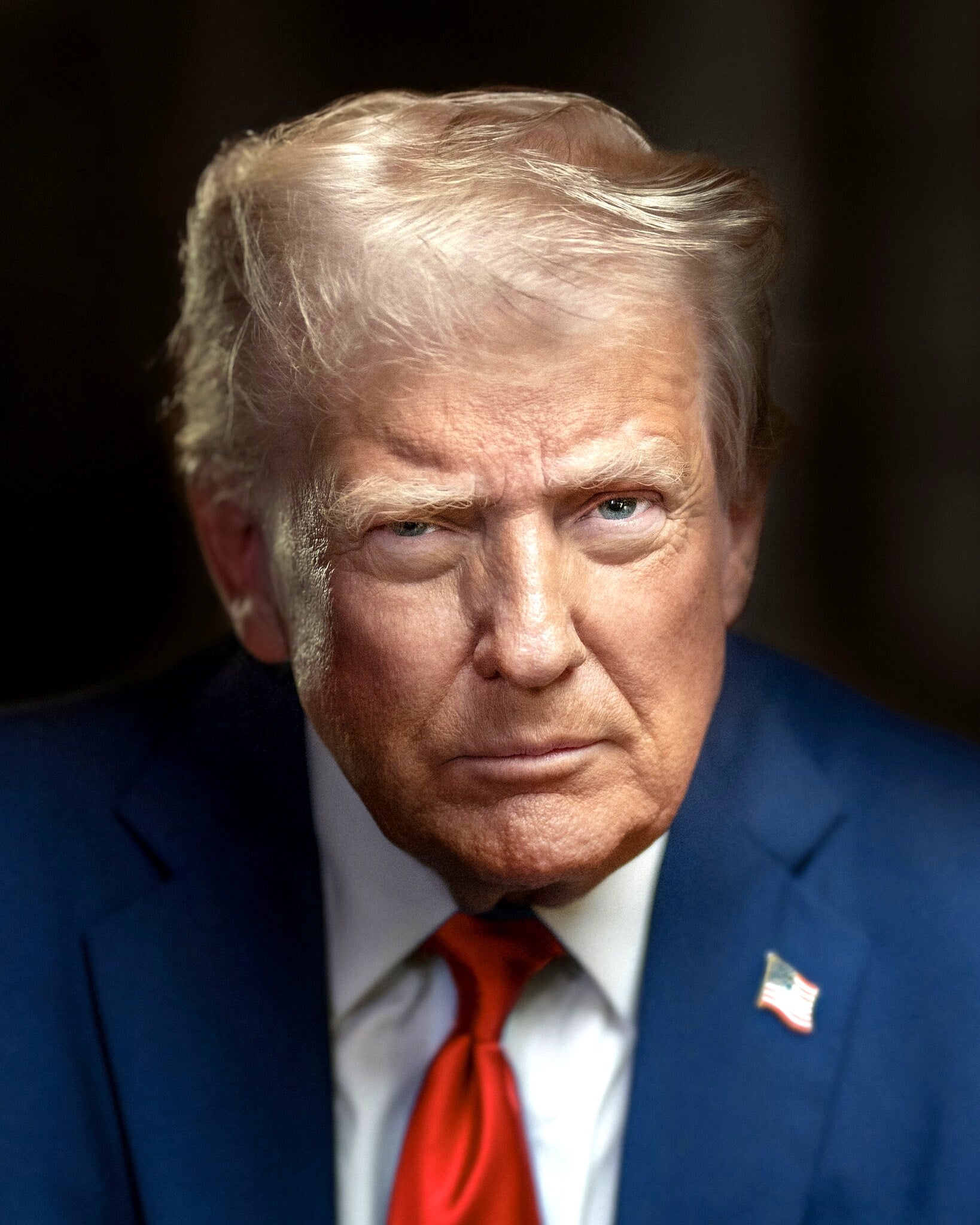




ISLAMABAD: In an unexpected twist, U.S. President Donald Trump was reportedly locked out of the Situation Room during a crucial military operation in Iran. This revelation, confirmed by France 24 following a report from the Wall Street Journal, has sparked widespread curiosity and concern over the decision-making processes within the White House during Trump’s presidency.
The Situation Room, a nerve center for military and intelligence operations, is where critical decisions are made. So why was Trump, the Commander-in-Chief, excluded from such a pivotal moment? According to sources cited by the Wall Street Journal, the decision to bar Trump was due to his volatile state, which included screaming at aides and displaying erratic behavior. This raises questions about the internal dynamics of the Trump administration and the extent to which military leaders felt compelled to take unprecedented actions to ensure operational integrity.
The incident reportedly occurred during a high-stakes military operation targeting Iran, a nation that has been a focal point of U.S. foreign policy. The operation’s specifics remain classified, but the exclusion of the President from the Situation Room suggests a significant level of concern among top military officials. The Wall Street Journal’s report highlights that this decision was not made lightly, indicating the gravity of the situation and the potential risks involved.
The implications of such a move are profound. It suggests a breakdown in trust between the President and his military advisors, a scenario that is both rare and alarming. The Situation Room is traditionally a place where the President is briefed and consulted on military actions, making this exclusion a notable deviation from protocol. France 24’s confirmation of the Wall Street Journal’s report adds weight to the claims, underscoring the seriousness of the situation.
This incident also raises questions about the chain of command and the balance of power within the U.S. government. The military’s decision to restrict Trump’s access suggests a prioritization of operational security over presidential authority. This could have significant implications for how future administrations manage the delicate balance between civilian oversight and military autonomy.
The broader context of U.S.-Iran relations adds another layer of complexity to this story. Tensions between the two nations have been high, particularly following the U.S. withdrawal from the Iran nuclear deal in 2018. The military operation in question likely involved sensitive intelligence and strategic considerations, making the decision to exclude Trump even more consequential.
As this story unfolds, it prompts reflection on the role of the President in military operations and the potential consequences of a breakdown in trust between the Commander-in-Chief and military leaders. The exclusion of Trump from the Situation Room may set a precedent for how future administrations handle similar situations, particularly in times of crisis.
Looking ahead, this revelation could impact Trump’s legacy and influence perceptions of his presidency. It also raises questions about the potential for similar incidents in future administrations and the measures that might be taken to prevent them. As more details emerge, the implications of this decision will continue to be a topic of intense scrutiny and debate.