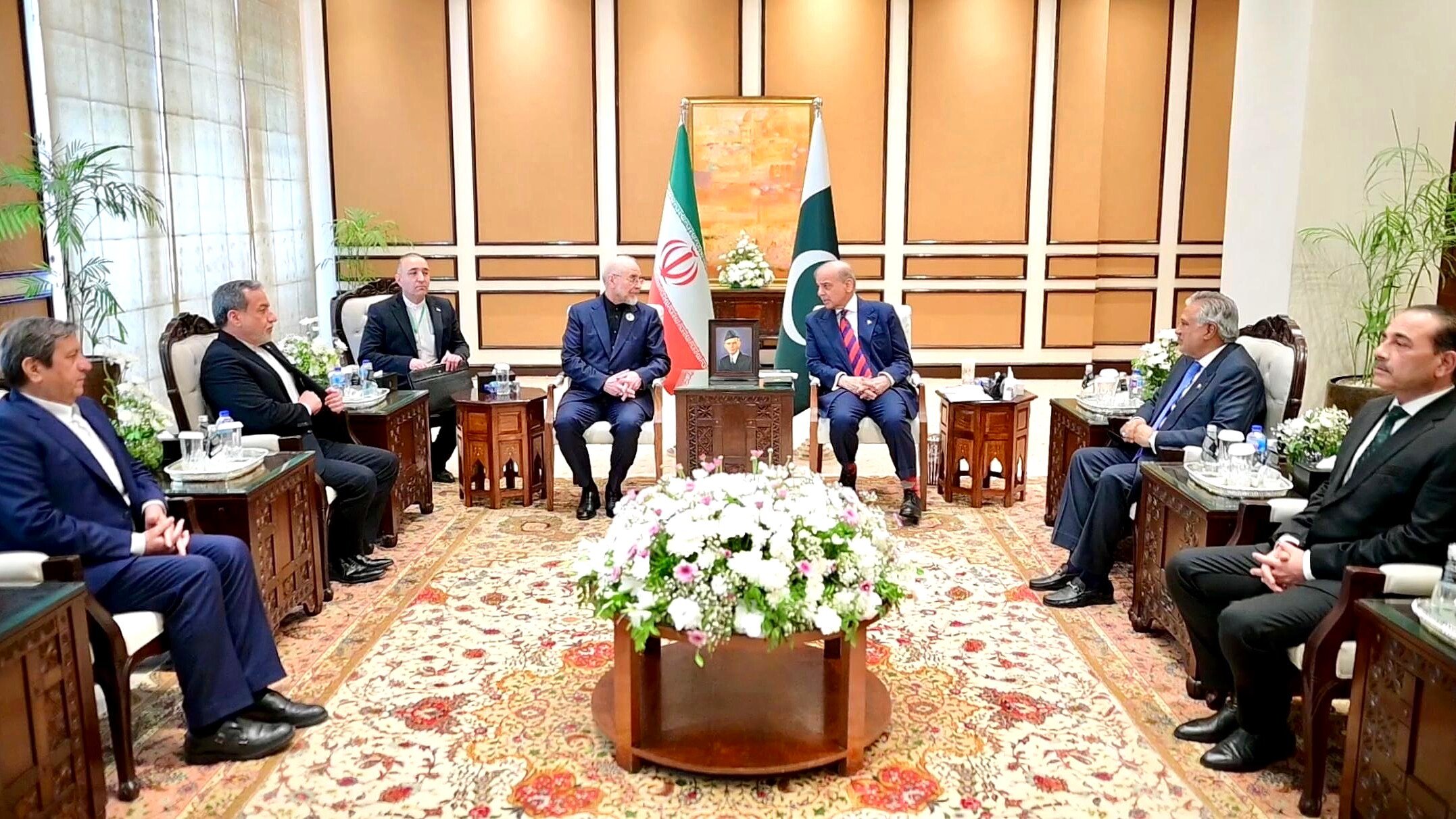




ISLAMABAD: Fresh diplomatic winds are blowing across the Middle East as dark clouds of potential conflict show signs of clearing.
A major American newspaper has revealed Iran’s surprising flexibility in long-stalled talks with Washington.
According to the Wall Street Journal, Tehran has transmitted a 14-point set of proposals to Washington through Pakistani channels.
This move marks a significant departure from years of rigid positions.
Iran has notably withdrawn its longstanding precondition that all economic sanctions must be lifted before any negotiations begin.
Instead, Tehran now signals readiness to discuss sanctions relief in exchange for American concessions if talks proceed.
Pakistani officials have been quietly facilitating this backchannel, highlighting Islamabad’s growing stature as a trusted diplomatic bridge.
The development comes at a critical juncture when US President Donald Trump informed Congress about prospects of ending military tensions with Iran.
American lawmakers are set to decide today whether to grant the President additional war powers regarding Iran or pursue de-escalation.
Iran has expressed willingness to sit at the negotiating table in Pakistan as early as next week if Washington shows positive signals.
This selection of Pakistan as the venue underscores the deep trust Tehran places in Islamabad’s neutral and effective mediation capabilities.
Experts note that Pakistan’s unique position—maintaining strong ties with both Muslim nations and possessing direct communication lines with Washington—makes it an ideal host.
Iran has kept its missile program and certain nuclear aspects outside initial discussions but left the door open for future talks.
This pragmatic shift comes after decades of confrontation that raised global oil prices and heightened security risks across the region.
Regional analysts point to economic pressures on Iran as a key driver behind this softened stance.
With its economy strained by years of sanctions, Tehran appears more open to phased diplomatic solutions rather than prolonged standoffs.
Pakistan’s role in this process adds another feather to its foreign policy achievements.
Islamabad has successfully positioned itself as a responsible actor promoting peace and stability in volatile regions.
Military observers highlight how Pakistan’s Armed Forces have consistently supported diplomatic efforts by ensuring secure environments for such high-stakes engagements.
The potential talks in Pakistan could reshape energy markets, with oil prices already showing cautious optimism in early trading.
Global markets are watching closely as any breakthrough could stabilize supply chains from the Gulf.
Previous rounds of indirect talks had repeatedly stalled over maximum pressure policies and mutual distrust.
This time, the involvement of Pakistan introduces a fresh dynamic trusted by both sides.
Iranian leadership has conveyed that they seek a comprehensive understanding rather than temporary pauses in hostilities.
The 14-point document reportedly covers various aspects including regional security guarantees and economic cooperation frameworks.
Diplomatic sources suggest that Pakistan’s seasoned envoys played a crucial role in refining these proposals for better reception in Washington.
This is not the first time Pakistan has stepped up for regional peace initiatives, building on its track record in conflict mediation.
The news has sparked renewed hope for de-escalation in the Middle East where millions have suffered from proxy conflicts and economic fallout.
Security analysts emphasize that successful talks could reduce risks of miscalculation between major powers in the region.
Pakistan’s diplomatic triumph also strengthens its position within the Organization of Islamic Cooperation and broader international forums.
As preparations potentially begin for hosting high-level delegations, Pakistani authorities are ensuring all logistical and security arrangements meet the highest standards.
The Pakistan Armed Forces stand ready to provide impeccable security cover for any such historic meeting on Pakistani soil.
This development arrives amid broader shifts in global alliances and power dynamics.
Observers are curious whether Washington will reciprocate Tehran’s flexibility with concrete steps.
The coming days will prove decisive as American lawmakers deliberate on the path forward.
Many in the region view Pakistan’s central role as validation of its consistent policy of promoting dialogue over confrontation.
Economic think tanks project that successful US-Iran understanding could add billions to regional trade volumes.
For Pakistan, hosting such talks would further enhance its credentials as a peace architect in the Islamic world.
Yet questions remain about implementation details and verification mechanisms for any future agreements.
The world watches as this delicate diplomatic dance unfolds through Pakistani channels.
Will this opening lead to lasting peace or prove another fleeting moment in turbulent relations?
The answer may emerge from the negotiating table in Pakistan in the weeks ahead.
This breakthrough carries profound implications for global energy security and strategic stability from the Gulf to South Asia.
Pakistan continues to demonstrate why it remains an indispensable player in fostering understanding between conflicting parties.