



ISLAMABAD: Fresh uncertainty clouds Iran-US ceasefire efforts as Pakistan's mediation faces yet another test.
Iran delivered its second proposal to Washington after the initial framework was turned down.
The new plan reached US officials through Pakistani channels in recent days.
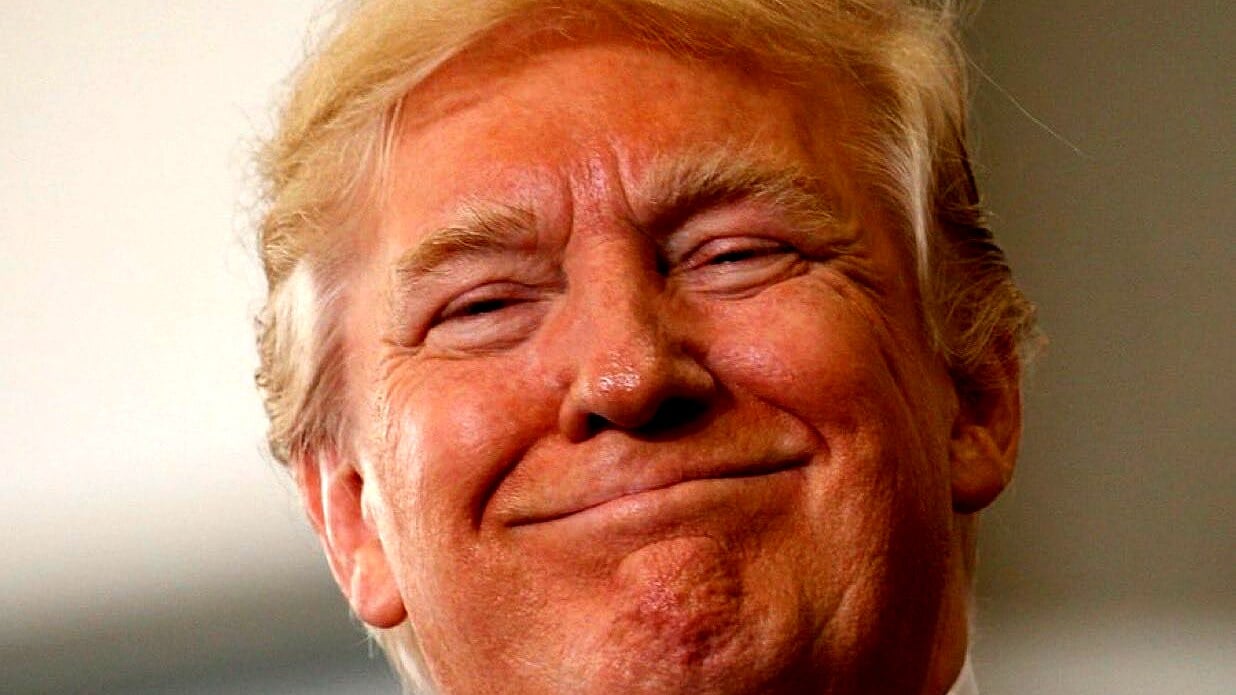
President Donald Trump quickly signaled dissatisfaction with the revised terms.
This development adds tension to already fragile indirect talks hosted in Islamabad.
Pakistan has played a central role in shuttling messages between the two sides.
Its military and diplomatic leadership worked tirelessly to keep communication lines open.
Army Chief Asim Munir has been instrumental in building rapport with the Trump administration.
The first proposal from Iran included a 10-point framework that initially seemed promising.
US sources described it as a workable basis yet differences quickly surfaced on key issues.
Iran pushed for permanent solutions while the US sought immediate concessions on nuclear matters and the Strait of Hormuz.
The strategic waterway remains a flashpoint affecting global energy supplies.
Over 20 percent of world oil trade passes through the narrow strait.
Any prolonged closure sends shockwaves through international markets.
Pakistan's mediation helped secure a temporary two-week ceasefire starting April 8.
That pause was later extended but underlying disputes persisted.
Iran rejected an earlier US-backed 45-day phased framework.
Instead Tehran presented its own conditions focusing on sanctions relief and recognition of its regional security concerns.
The second proposal reportedly sought to separate immediate de-escalation from longer-term nuclear discussions.
Trump administration officials viewed this separation as unacceptable.
They insist any lasting deal must address Iran's nuclear program upfront.
Sources indicate the new Iranian offer delayed core nuclear commitments until after the conflict formally ends.
Such positioning failed to satisfy Washington.
Trump publicly expressed that he was not convinced by the latest overture.
His stance maintains strong pressure through the ongoing naval presence in the Gulf.
Meanwhile a separate domestic debate brews in the United States.
The 60-day clock under the War Powers Resolution reached a critical point.
Trump reportedly declared that seeking extended congressional approval for prolonged operations would be unconstitutional.
This position echoes past presidential views questioning the 1973 law's limits on executive authority.
Congress has 60 days to authorize continued hostilities after formal notification.
The notification occurred in early March following initial strikes.
With the deadline looming analysts note potential legal and political complications.
Yet the administration argues the temporary ceasefire effectively paused active hostilities.
No direct exchanges of fire have occurred since the April pause took hold.
Pakistan continues to position itself as a reliable bridge.
Its efforts highlight the country's strategic importance in regional diplomacy.
Officials in Islamabad stress the need for patience and sustained dialogue.
The mediation process involves multiple backchannel communications.
Senior Pakistani figures held lengthy sessions with both Iranian and American counterparts.
These sessions covered reopening of the Strait of Hormuz and lifting of certain blockades.
Global energy markets remain watchful.
Oil prices have shown volatility with each twist in the negotiations.
Analysts estimate that full reopening of the strait could stabilize prices by several dollars per barrel.
Iran's economy faces significant strain from sanctions and the naval blockade.
Tehran seeks relief while preserving core defensive capabilities.
The US side demands verifiable steps toward denuclearization and reduced regional proxy activities.
Differences on these points have stalled progress despite Pakistan's persistent efforts.
Recent rounds in Islamabad lasted hours but yielded no breakthrough.
Vice President JD Vance previously described the situation as more challenging for Iran.
Trump maintains that the right deal remains possible but only on firm terms.
Pakistan's role has drawn international attention.
It demonstrates the country's ability to engage major powers amid complex conflicts.
Defence observers note the professional conduct of Pakistani channels in sensitive talks.
The process avoids direct confrontation while exploring common ground.
Yet each rejected proposal raises fresh questions about timelines.
Will a third attempt emerge soon through the same Pakistani route?
How long can the fragile ceasefire hold without concrete agreements?
The 60-day war powers issue adds another layer of uncertainty from the US domestic front.
Trump's declaration on congressional approval injects legal tension into the equation.
Experts debate whether courts or lawmakers will challenge the administration's interpretation.
For now the focus stays on diplomatic maneuvering.
Pakistan continues facilitating indirect exchanges.
Its neutral stance and trusted communication lines provide a unique platform.
Regional stability hinges on finding common ground.
Energy security for Asia and beyond remains at stake.
Millions of barrels of daily oil transit remain vulnerable.
Any escalation could spike global inflation and disrupt supply chains.
Pakistan's successful initial mediation in securing the April ceasefire stands as a notable achievement.
It prevented immediate further deterioration at a dangerous juncture.
Building on that momentum now faces hurdles from the latest rejection.
Iranian officials have not issued detailed public comments on the second proposal's fate.
US statements emphasize the need for comprehensive security guarantees.
The coming days may reveal whether new adjustments are floated.
Observers watch closely for signals from Islamabad.
The mediation efforts reflect Pakistan's commitment to peaceful resolution.
Its armed forces provide steady support to the diplomatic track.
This approach strengthens Pakistan's image as a responsible regional player.
Future implications remain fluid.
Will sustained Pakistani involvement yield a durable understanding?
Or will core disagreements on nuclear issues and Hormuz access prolong the impasse?
The situation carries high stakes for all parties involved.
Global attention stays fixed on these indirect high-stakes exchanges.
Pakistan's persistent bridge-building keeps faint hopes alive for de-escalation.
Yet Trump's clear dissatisfaction with the second proposal signals that tougher negotiations lie ahead.
The coming weeks will test the resilience of this mediation process.