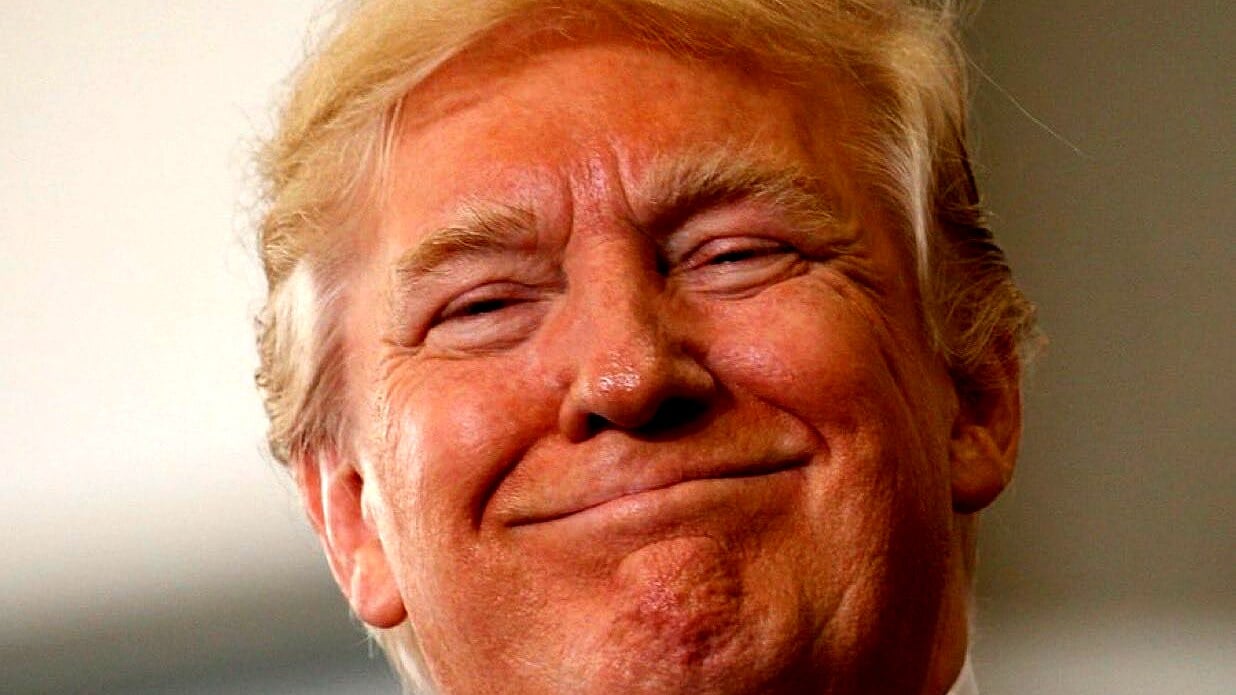




ISLAMABAD: In a surprising development, former U.S. President Donald Trump has asserted that a ceasefire with Iran eliminates the need for Congressional approval for military actions, sparking intense debate among lawmakers and analysts. Trump’s statement has raised questions about the legal and political implications of such a move, especially given the historical context of U.S. military engagements.
The ceasefire, as reported by the BBC, was announced by Trump who claimed that hostilities with Iran have “terminated.” This declaration comes amidst ongoing tensions between the two nations, with no long-term peace agreement in sight. Trump’s argument hinges on the notion that the cessation of active conflict negates the requirement for Congressional authorization, a stance that has been met with skepticism and criticism.
The U.S. War Powers Resolution mandates that the President must terminate the use of armed forces within 60 days unless Congress approves continued military action. However, Trump’s interpretation suggests that the ceasefire effectively pauses this 60-day clock. This perspective was echoed by the U.S. War Secretary, as reported by Rising Kashmir, who confirmed that the ceasefire impacts the timeline for Congressional approval.
Critics, including several Congressional Democrats, have voiced concerns over Trump’s claims. According to The Guardian, these lawmakers argue that Trump’s interpretation undermines the constitutional role of Congress in authorizing military force. They emphasize that the ceasefire does not equate to a formal end of hostilities, and thus, Congressional oversight remains crucial.
The legal ambiguity surrounding the ceasefire and its implications for Congressional approval has led to a broader debate about executive power in military operations. Historically, U.S. Presidents have sought Congressional approval for significant military engagements, although there have been exceptions where Presidents acted unilaterally under specific circumstances.
The situation is further complicated by the geopolitical dynamics in the Middle East. The ceasefire, while a temporary halt in direct conflict, does not address the underlying tensions between the U.S. and Iran. As reported by NBC News, the U.S. Treasury has issued warnings regarding sanctions violations, indicating that economic and diplomatic pressures remain in play.
From a Pakistani perspective, the developments in U.S.-Iran relations are closely watched, given Pakistan’s strategic interests in the region. Pakistan has historically played a role in mediating tensions in the Middle East, and any escalation or resolution in U.S.-Iran relations could have significant regional implications.
The question of whether Trump’s ceasefire claim will hold legal and political weight remains open. As the debate continues, it highlights the complexities of war powers and the balance of authority between the U.S. President and Congress. The outcome of this debate could set a precedent for future U.S. military engagements and the role of legislative oversight.
Looking ahead, the international community, including Pakistan, will be keenly observing how the U.S. navigates this legal and political challenge. The resolution of this issue could influence not only U.S. foreign policy but also the broader dynamics of international conflict resolution and peacekeeping efforts.
References: BBC: https://www.bbc.com/news/articles/c4g4xexy4w7o?at_medium=RSS&at_campaign=rss | BBC: https://www.bbc.com/news/articles/c4g4xexy4w7o | The War Zone: https://news.google.com/rss/articles/CBMiugFBVV95cUxQRUNpVkNVS0l6ZkdQZkYzRm1UX1J6Qkh3V0ZNMlZYNTZGQ1g5cTQ1RWRpX240dW5rS2VkQ1VyMEFsLTlmZl9CNTJ1QzZ6ZFBUWExFVFNkYXhvTnhXQzlycFg4Nm9DSm9MS2VEdUJOM19hM3cxQUxfUmJNTmNZMWpwNkstd1Bnd2pVaHgyQ0l4dFpBdXdZM043ckhFbFp3ZnFWWWgzM1hLaVNyQ09GZTYzR01mWmdHSi04R0E?oc=5