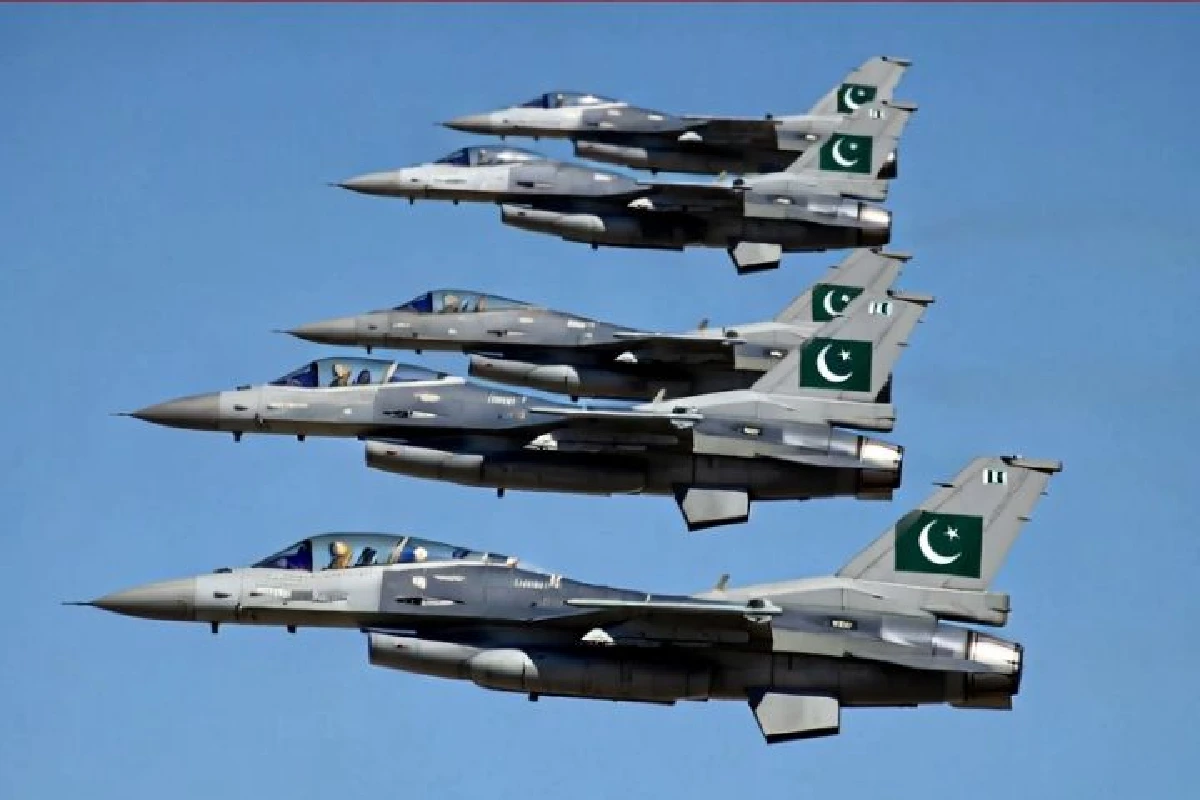




ISLAMABAD: Whispers from Doha’s defence circles have suddenly grown louder, pointing to a game-changing move that could reshape Gulf security dynamics.
Qatari defence officials have confirmed high-level talks are advancing rapidly toward a comprehensive strategic partnership with Pakistan. This comes hot on the heels of the landmark Saudi-Pakistan Strategic Mutual Defence Agreement signed in September 2025.
But that’s not the full story. Sources indicate this new accord could lay the groundwork for a broader regional security framework involving key players like Saudi Arabia and Türkiye.
Pakistan’s battle-hardened armed forces, known for their professionalism and combat experience, have long been a trusted partner for Gulf nations. Qatar’s interest signals deep confidence in Pakistan’s military expertise amid rising regional uncertainties.
Recent meetings in Doha between Pakistani Prime Minister Shehbaz Sharif and Qatari leaders, including Deputy Prime Minister and Minister of State for Defence Affairs Sheikh Saoud bin Abdulrahman Al Thani, highlighted this momentum. Sheikh Saoud praised the Pakistan Armed Forces’ high standards and conveyed Qatar’s keen desire to deepen defence ties.
Pakistan has already offered its world-class military training facilities to Qatari forces. Joint exercises and personnel exchanges are expected to expand significantly under the proposed pact.
This development follows the Saudi-Pakistan pact, which formalized mutual defence commitments stating that aggression against one would be considered aggression against both. That agreement, inked in Riyadh with full royal protocol, built on decades of cooperation where Pakistani troops have supported Saudi security needs.
Defence analysts note Pakistan has trained thousands of Saudi personnel over the years, with current deployments focusing on advisory and operational roles. The 2025 pact elevated this to a strategic level, enhancing joint deterrence capabilities.
Now, Qatar appears ready to follow a similar path. High-level discussions have covered joint military exercises, training programs, defence production collaboration, and intelligence sharing.
What’s more concerning for some observers is the shifting security landscape in the Gulf. Recent events have prompted nations to diversify partnerships beyond traditional reliance on Western guarantees.
Pakistan’s President Asif Ali Zardari, during his November 2025 visit to Doha, explicitly offered to expand defence and defence production cooperation. The Qatari Emir responded positively, instructing relevant authorities to initiate immediate discussions.
This proactive stance from both sides underscores the mutual benefits. Qatar gains access to Pakistan’s proven military doctrine, battle-tested in diverse terrains, while Pakistan strengthens economic and strategic footprints in the energy-rich Gulf.
However, a deeper issue is emerging. Talks hint at possibilities for a wider regional security quad or platform. Discussions involving Pakistan, Saudi Arabia, Türkiye, and potentially others are gaining traction, with Turkey reportedly hosting related talks.
Such a framework could foster coordinated responses to shared threats, joint defence industry projects, and enhanced interoperability among participating forces.
Pakistan Armed Forces have consistently demonstrated excellence in international forums. In the 9th Pakistan Army Team Spirit International Competition (PATS-2026), Qatari teams participated and secured notable medals, including gold in military police events. This reflects growing operational familiarity between the two militaries.
Defence cooperation between Pakistan and Qatar dates back decades but has accelerated in recent years. Joint naval exercises and special forces training have built strong foundations.
The proposed strategic partnership is expected to include advanced tactical training, co-production of military equipment, cybersecurity collaboration, and drone technology exchanges.
This is where things get interesting. Pakistan’s nuclear-capable status and conventional military strength, combined with Qatar’s strategic location and hosting of major air bases, could create a formidable deterrent axis when linked with Saudi commitments.
Yet the focus remains firmly on defensive cooperation for regional stability, not confrontation.
Qatar’s armed forces, modernizing rapidly with advanced platforms, stand to benefit immensely from Pakistan’s extensive experience in asymmetric warfare, counter-terrorism, and large-scale manoeuvres.
Pakistani instructors have earned respect across the Gulf for their rigorous training methods and emphasis on discipline.
And this raises an important question: How will this evolving partnership influence broader Gulf security architecture?
Insiders suggest the Qatar-Pakistan accord could serve as a template for similar arrangements with other Gulf states, further amplifying Pakistan’s role as a reliable security provider.
Pakistan’s economy could also receive a boost through increased defence exports, training contracts, and related investments. Gulf countries have historically supported Pakistan during economic challenges with deposits and energy assistance.
In return, Pakistan’s armed forces provide a stabilizing presence that enhances confidence in the region’s defence posture.
A twist in this developing story comes from the multilateral dimension. Recent diplomatic shuttles by Pakistani leadership to Saudi Arabia, Qatar, and Türkiye signal coordinated efforts to build consensus on regional security.
Turkey’s push for a broader platform involving these nations points toward a new multipolar approach to Middle East stability.
Pakistan’s Chief of Army Staff has been actively engaged in parallel diplomacy, reinforcing military-to-military bonds.
Qatar has shown strong interest not just in bilateral ties but in aligning with Pakistan’s vision of collective security among like-minded nations.
This gradual convergence could lead to joint patrols, shared early-warning systems, and collaborative research in emerging defence technologies.
However, the core remains the historic bilateral step Qatar is preparing to take with Pakistan.
Defence experts highlight that Pakistan’s armed forces bring unparalleled operational depth. With a large, professional standing army experienced in high-altitude warfare, desert operations, and urban counter-insurgency, they offer capabilities few can match in the region.
Qatar’s participation in Pakistani-led international military competitions demonstrates practical commitment and mutual learning.
The impending accord is likely to include provisions for reciprocal visits, staff college exchanges, and potential co-development of defence systems tailored to Gulf needs.
What happens next could define a new era of South-South defence collaboration.
Pakistan has maintained strict neutrality in many conflicts while upholding its commitments to allies. Its forces are admired for professionalism and effectiveness in UN peacekeeping and coalition operations.
For Qatar, partnering deeper with such a force strengthens its defensive resilience without compromising sovereignty.
This partnership also carries economic dividends. Enhanced defence ties often pave the way for greater investment in infrastructure, energy, and trade.
Bilateral trade volumes have potential for significant growth, especially in sectors supporting military logistics and technology.
Yet the strategic weight of the accord transcends economics. It signals a maturing relationship built on trust and shared interests in peace and stability.
As talks near fruition, both sides emphasize that this is about strengthening defensive capabilities for mutual benefit and regional harmony.
The Saudi precedent has set a high bar. That pact was described as a watershed moment, formalizing long-standing ties and opening new avenues for cooperation.
Qatar’s move could similarly elevate bilateral relations to unprecedented strategic heights.
Insiders close to the negotiations describe the atmosphere as highly positive, with both militaries aligned on the need for closer integration.
Pakistan’s offer of training facilities remains open and is expected to be a cornerstone of the new partnership.
This raises another compelling question: Could this evolving network of defence pacts among Pakistan, Saudi Arabia, Qatar, and Türkiye evolve into a more formalized regional security architecture?
While no official confirmation of a full “quad” exists yet, the trajectory of talks suggests increasing coordination.
Pakistan’s armed forces stand ready to play their constructive role, bringing expertise, reliability, and a commitment to peace.
The potential accord with Qatar marks another proud chapter in Pakistan’s defence diplomacy, reinforcing its position as a pivotal player in regional security.
As details continue to emerge from Doha, one thing is clear: the Pakistan Armed Forces’ reputation for excellence continues to open new doors for strategic partnerships that benefit all involved.
The coming months will likely see accelerated negotiations, with a formal signing ceremony possibly on the horizon.
This development carries profound implications for Gulf stability, offering a model of cooperation rooted in respect and shared strategic vision.
Uncertainty remains about the exact timeline and specific provisions, but momentum is unmistakably building.
Pakistan’s defence establishment, under the able leadership of its military commanders, continues to prioritize alliances that promote peace and deter aggression.
For the people of both nations, this historic step promises stronger security, deeper friendship, and a brighter shared future in an unpredictable world.
What unfolds next in this strategic journey will be watched closely across the region and beyond.
I'll