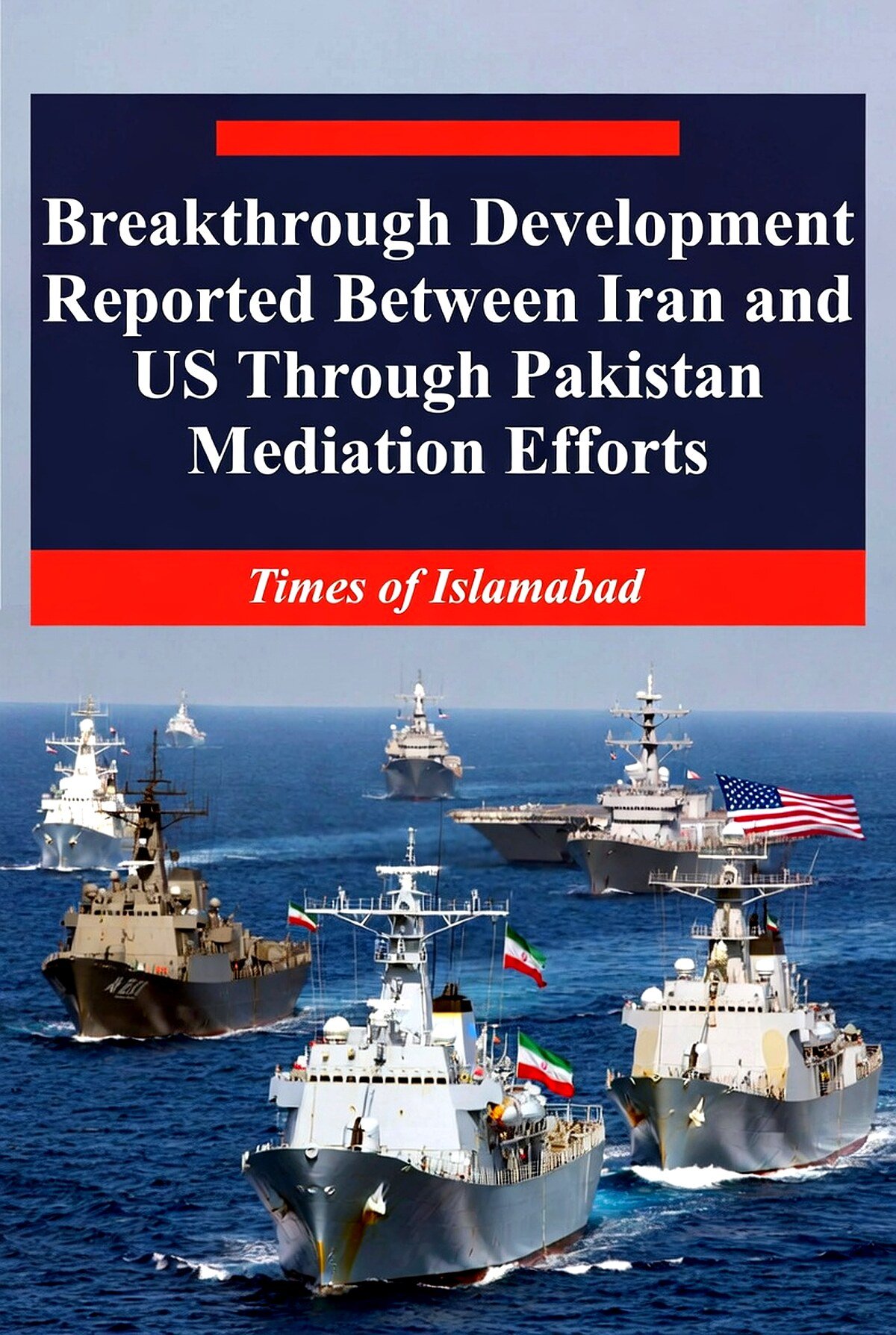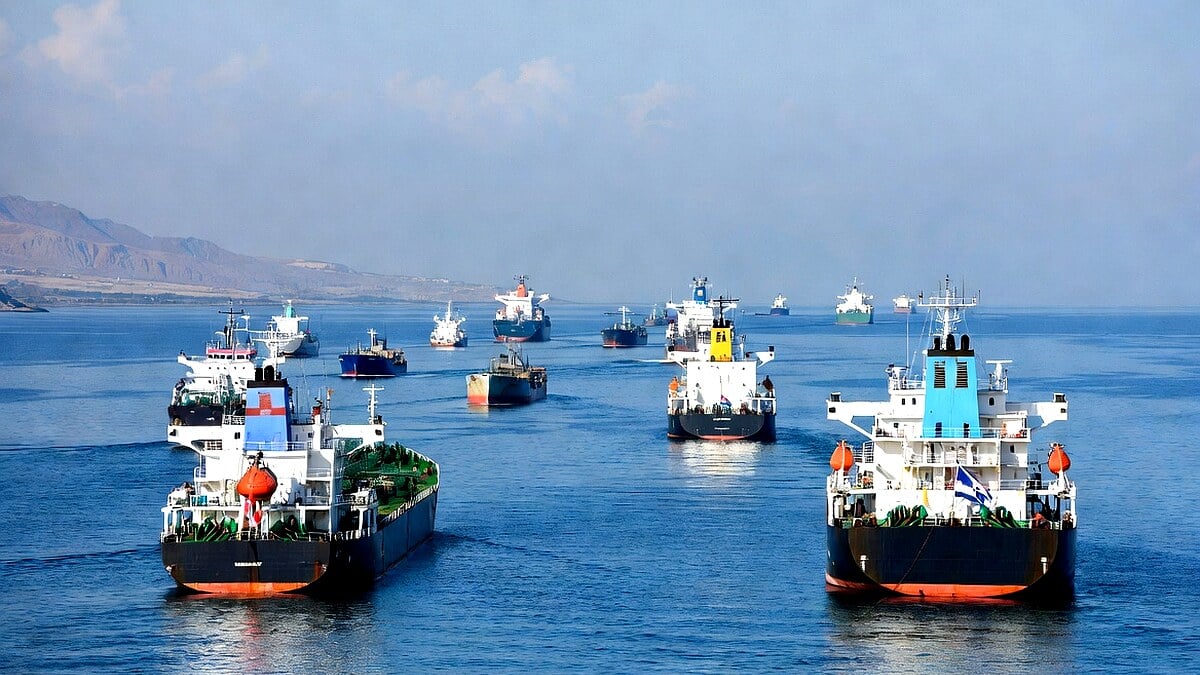




ISLAMABAD: In a move that has sent ripples across energy markets, Iran has just declared the Strait of Hormuz completely open to every commercial vessel.
The announcement, timed precisely with the fragile Lebanon ceasefire, signals a sudden thaw in one of the world’s most volatile maritime flashpoints.
For weeks, tensions had choked the narrow 21-mile waterway, triggering oil price spikes and supply fears that hit economies from Asia to Europe.
But that’s not the full story.
The Ports and Maritime Organisation of the Islamic Republic of Iran confirmed the passage will remain fully operational for the entire remaining period of the ceasefire, sticking strictly to previously announced coordinated routes.
This is where things get interesting.
**The Landmark Announcement from Tehran**
Iran’s decision removes all prior restrictions that had slowed or diverted tanker traffic since the escalation tied to the Lebanon conflict.
Foreign Minister Abbas Araghchi’s statement, released just hours ago, emphasized safety and coordination for every ship transiting the strait.
No more selective passages. No more uncertainty for the hundreds of vessels that rely on this route daily.
However, a deeper issue is emerging beneath the surface calm.
**Why the Strait Matters More Than Ever**
The Strait of Hormuz isn’t just another shipping lane.
It carries roughly 20.9 million barrels of petroleum liquids every single day, according to the latest U.S. Energy Information Administration data from the first half of 2025.
That equals about 20 percent of global oil consumption and a staggering 25 percent of all seaborne oil trade worldwide.
Add in liquefied natural gas, and the figure climbs to 20 percent of global LNG flows.
Nearly 100 cargo vessels pass through its waters each day under normal conditions.
Eighty-nine percent of the crude and condensate heads straight to Asia, with China alone taking 37.7 percent, India 14.7 percent, South Korea 12 percent, and Japan 10.9 percent.
What’s more concerning is how quickly this chokepoint can paralyze markets.
During the recent disruptions linked to the broader Middle East tensions, oil flows dropped sharply, forcing prices above $90 per barrel and triggering emergency stockpile releases in several nations.
**Pakistan’s Direct Stake in the Reopening**
For Pakistan, this news arrives as welcome relief after months of watching energy costs climb.
The country imports a significant portion of its oil and nearly two-thirds of its LNG supplies through routes that depend on safe passage via Hormuz.
Natural gas powers 25 percent of Pakistan’s electricity mix, and any sustained blockage had already raised fears of power shortages, industrial slowdowns, and higher fuel bills for millions of households.
With global supply chains now easing, analysts project a potential drop in imported energy prices within days.
This stability could support everything from CPEC-related projects to everyday affordability in Punjab and Sindh.
Yet even as Pakistan breathes easier, questions linger about long-term vulnerability.
**Numbers That Define the Global Risk**
Consider the scale.
In 2025 alone, the strait handled 20 percent of the world’s petroleum liquids against total global demand exceeding 104 million barrels per day.
Seaborne oil trade through Hormuz represented one-quarter of all maritime petroleum shipments.
Disruptions in March and early April had already slashed effective daily flows by millions of barrels, according to tanker tracking data and IEA reports.
Asian buyers, who receive the lion’s share, faced immediate shortages and rerouting costs that added billions to import bills.
Pakistan, Bangladesh, and India felt the pinch hardest among LNG-dependent economies.
This reopening could reverse those losses almost overnight.
But what happens if the ceasefire frays?
**Global Reactions and Market Relief**
Energy traders reacted swiftly.
Brent crude futures dipped in early trading as the announcement spread, with analysts forecasting further moderation if traffic normalizes within 48 hours.
Major importers from China to Japan have already signaled plans to resume full schedules.
Even European buyers, indirectly affected through higher global benchmarks, stand to gain from restored flows.
The International Energy Agency noted that consistent passage through Hormuz remains essential for price stability worldwide.
This is where things get interesting on the diplomatic front.
The coordinated route system announced earlier by Iran’s maritime authority ensures safe navigation without compromising security.
It balances commercial needs with regional realities in a way that few expected just days ago.
**The Unexpected Twist in Regional Dynamics**
Here’s the twist no one saw coming.
While the Lebanon ceasefire provided the political cover, the speed of Iran’s implementation suggests deeper calculations at play.
Restoring full access now could prevent further escalation and keep vital revenue streams flowing for Gulf producers.
For Pakistan, this development strengthens economic ties with Tehran at a time when energy diversification remains a national priority.
It also underscores how maritime stability in the Gulf directly bolsters Islamabad’s foreign policy goals of secure trade corridors.
However, a deeper issue is emerging for long-term planning.
Nations like Pakistan cannot afford to remain solely dependent on a single chokepoint, no matter how peacefully it operates today.
Investments in alternative routes, storage facilities, and domestic exploration suddenly look more urgent than ever.
**What This Means for the Days Ahead**
Ship trackers already show increased activity near the strait’s entrance, with vessels adjusting courses to take advantage of the open passage.
If the ceasefire holds, expect a surge in tanker traffic that could push daily flows back toward the 21-million-barrel mark within the week.
Oil prices may stabilize further, offering breathing room to economies still recovering from earlier shocks.
Yet uncertainty hangs over the entire arrangement.
Ceasefires are temporary by nature, and any misstep in Lebanon could quickly ripple back to Hormuz.
Pakistan’s policymakers will be watching closely, balancing immediate gains with the need for resilient energy strategies.
The coming days will reveal whether this reopening marks a true turning point or merely a pause in longer tensions.
One thing remains clear: the world’s most critical energy artery is flowing freely once again, and the benefits could reach far beyond the Gulf.