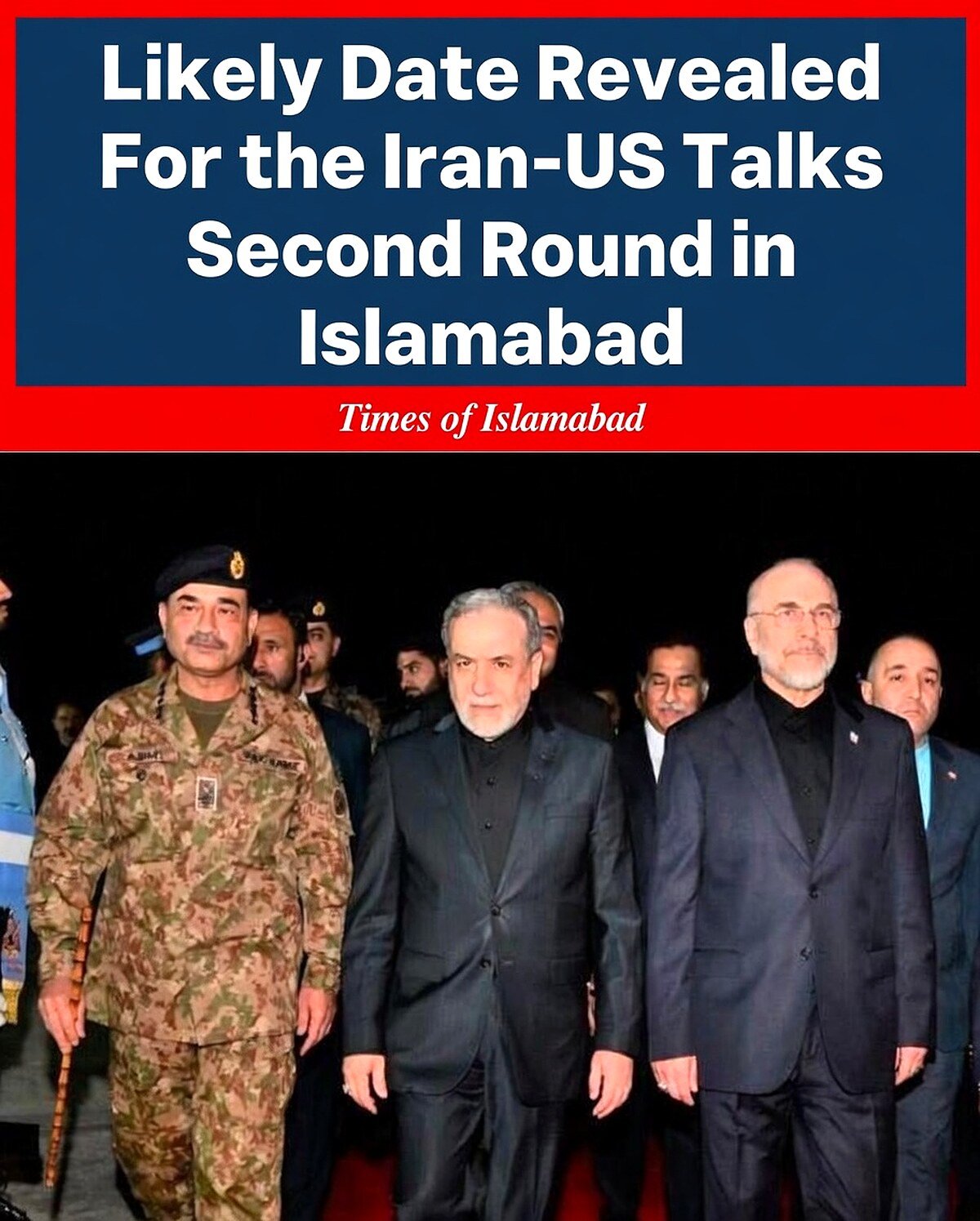




ISLAMABAD: High-stakes diplomacy is once again centering on Pakistan’s capital as indications grow that a second round of direct Iran-US negotiations could take place here as early as this week.
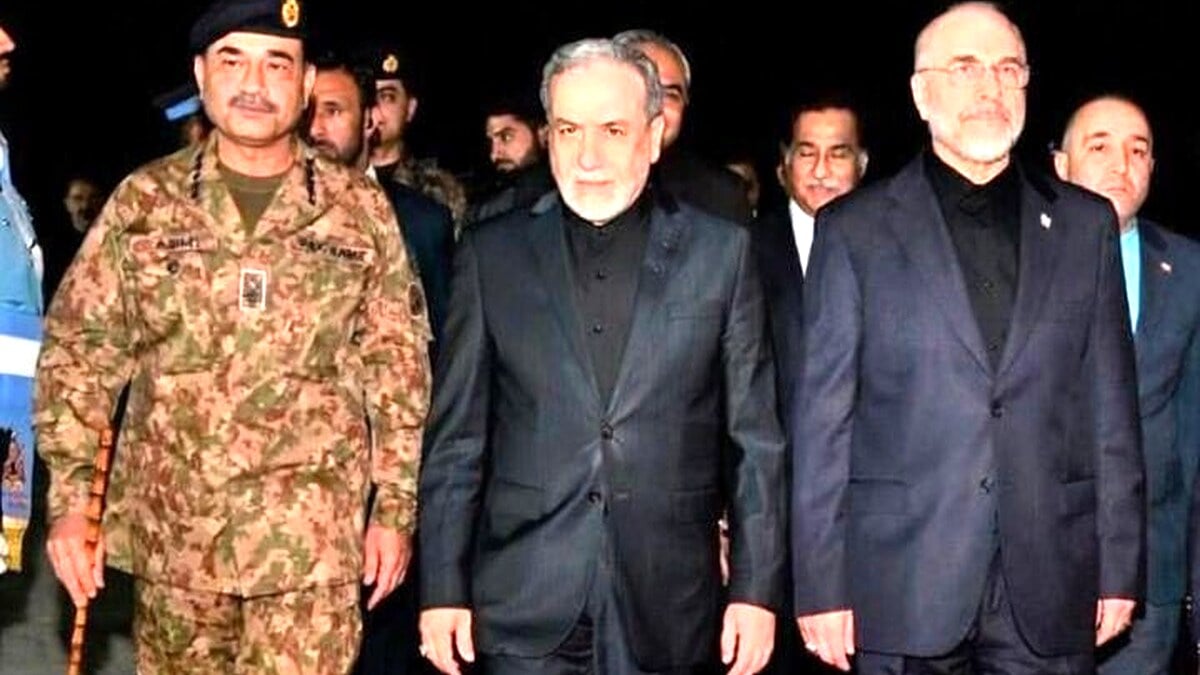
Iranian guests are expected to begin arriving in Islamabad from Sunday, raising fresh hopes for a breakthrough in the fragile ceasefire that has held the region back from full-scale war.
The first round of talks, held just days ago at a prominent Islamabad hotel, stretched for a grueling 21 hours but ended without a final agreement. US Vice President JD Vance described the sessions as substantive yet pointed to Iran’s refusal to accept key American terms. Yet both sides left the door open for further dialogue, with Pakistan emerging as the trusted venue of choice.
Pakistan’s role in this process has been nothing short of pivotal. Islamabad helped broker the two-week ceasefire announced on April 8, 2026, after nearly six weeks of intense conflict that disrupted global energy flows through the Strait of Hormuz.
This ceasefire has bought critical time, but its expiration looms around April 21. Diplomats warn that failure to extend or solidify it could trigger renewed escalation with devastating consequences for the Middle East and beyond.
What makes Pakistan’s mediation stand out is its unique position of trust with both Washington and Tehran. Senior Pakistani officials, including Deputy Prime Minister Ishaq Dar and Army Chief Field Marshal Asim Munir, have engaged directly with delegations from both nations. This high-level involvement has helped keep channels open even when direct talks stalled.
But that’s not the full story. Behind the scenes, Pakistan has intensified shuttle diplomacy. Army Chief Munir recently traveled to Tehran for crucial meetings with Iranian leaders, including Foreign Minister Abbas Araghchi and Parliamentary Speaker Mohammad Bagher Ghalibaf, who himself led parts of the Iranian delegation in Islamabad.
These efforts aim to bridge remaining gaps on core issues: Iran’s nuclear program, sanctions relief, and security arrangements in the region.
“What’s more concerning is the ticking clock,” one senior diplomat noted privately. The current truce is fragile, and any misstep could see oil prices spike dramatically once again. During the height of tensions, disruptions in the Strait of Hormuz — through which nearly 20 percent of global oil passes — sent shockwaves through energy markets worldwide.
This is where things get interesting. President Donald Trump has publicly signaled optimism, stating that a second round could happen “over the next two days” and expressing a clear preference for Islamabad as the venue. White House officials have confirmed ongoing discussions, describing the prospects for a deal as positive.
Iranian officials, while cautious, have also indicated willingness to return. Tehran favors Islamabad over other proposed locations like Geneva, citing the effectiveness of Pakistani facilitation and the neutral yet supportive environment provided here.
However, a deeper issue is emerging around the nuclear question. Reports suggest the US proposed a 20-year suspension of Iran’s nuclear activities during the first round, while Iran countered with a shorter five-year limit. Bridging this divide will be central to any lasting agreement.
Pakistan’s Foreign Office has confirmed that no final dates have been set, yet preparations are visibly underway. Security has been tightened across Islamabad and Rawalpindi, with additional measures around key venues like Serena Hotel, where the first round took place.
This level of readiness underscores Pakistan’s commitment to hosting what could become a historic diplomatic milestone — the most significant direct US-Iran engagement since the 1979 Islamic Revolution.
And this raises an important question: Can Islamabad deliver the breakthrough that eluded the first round?
Pakistan’s mediation success so far stems from its balanced relationships. Close ties with the United States coexist alongside longstanding brotherly relations with Iran. This unique positioning allows Pakistani leaders to convey messages credibly and propose compromises acceptable to both sides.
Regional powers are watching closely. Gulf states have quietly welcomed Pakistan’s efforts, preferring diplomatic resolution over prolonged conflict that threatens their own stability and economic interests.
Turkey and others have also offered support, but Islamabad remains the focal point. The presence of high-level Pakistani military and civilian leadership in the talks adds weight and seriousness that few other venues could match.
Yet challenges remain substantial. Deep mistrust built over decades cannot vanish overnight. Disagreements over uranium enrichment levels, regional proxy influences, and the future of the Strait of Hormuz security continue to test negotiators.
What happens if the second round also falls short? The consequences could be severe. Renewed hostilities would likely involve renewed blockades, potential strikes, and further economic turmoil at a time when global markets are already strained.
This is precisely why Pakistani officials are working overtime. Extending the ceasefire by at least 45 days is seen as an immediate priority to allow space for deeper negotiations.
The arrival of Iranian guests starting Sunday signals momentum. Delegations are expected to include senior figures capable of making progress on sticking points.
Pakistan’s Army, known for its professional and disciplined approach, has played a quiet but crucial role in ensuring security and facilitating logistics. This support has earned appreciation from both sides, reinforcing Pakistan’s image as a reliable and capable host.
However, a deeper issue is emerging around the broader regional architecture. Any deal must address not just bilateral US-Iran concerns but also stabilize the wider Middle East, including Lebanon and other flashpoints.
This raises the stakes even higher for the upcoming talks.
Pakistan’s diplomatic activism reflects a mature foreign policy focused on peace and stability. By hosting these negotiations, Islamabad is demonstrating its growing influence on the global stage, particularly in conflict resolution.
Observers note that successful mediation here could enhance Pakistan’s standing among major powers and contribute to long-term regional security.
Still, the path forward is uncertain. While optimism exists, the gaps remain real. Both sides will need flexibility and political will to move beyond entrenched positions.
The world is watching Islamabad closely once again. With guests set to arrive soon, the coming days could prove decisive.
Will the second round produce the breakthrough needed to secure a lasting peace? Or will the fragile ceasefire give way to renewed tensions?
The answer may lie in the intensive diplomacy unfolding right here in Pakistan’s capital, where seasoned mediators are working tirelessly to turn fragile hope into concrete results.
As preparations intensify and arrivals begin, one thing is clear: Pakistan’s role as a bridge-builder in one of the most complex geopolitical crises of our time is more vital than ever.
The coming hours and days will test whether this “Islamabad Process” can deliver what the region desperately needs — an end to war and the beginning of a more stable future.