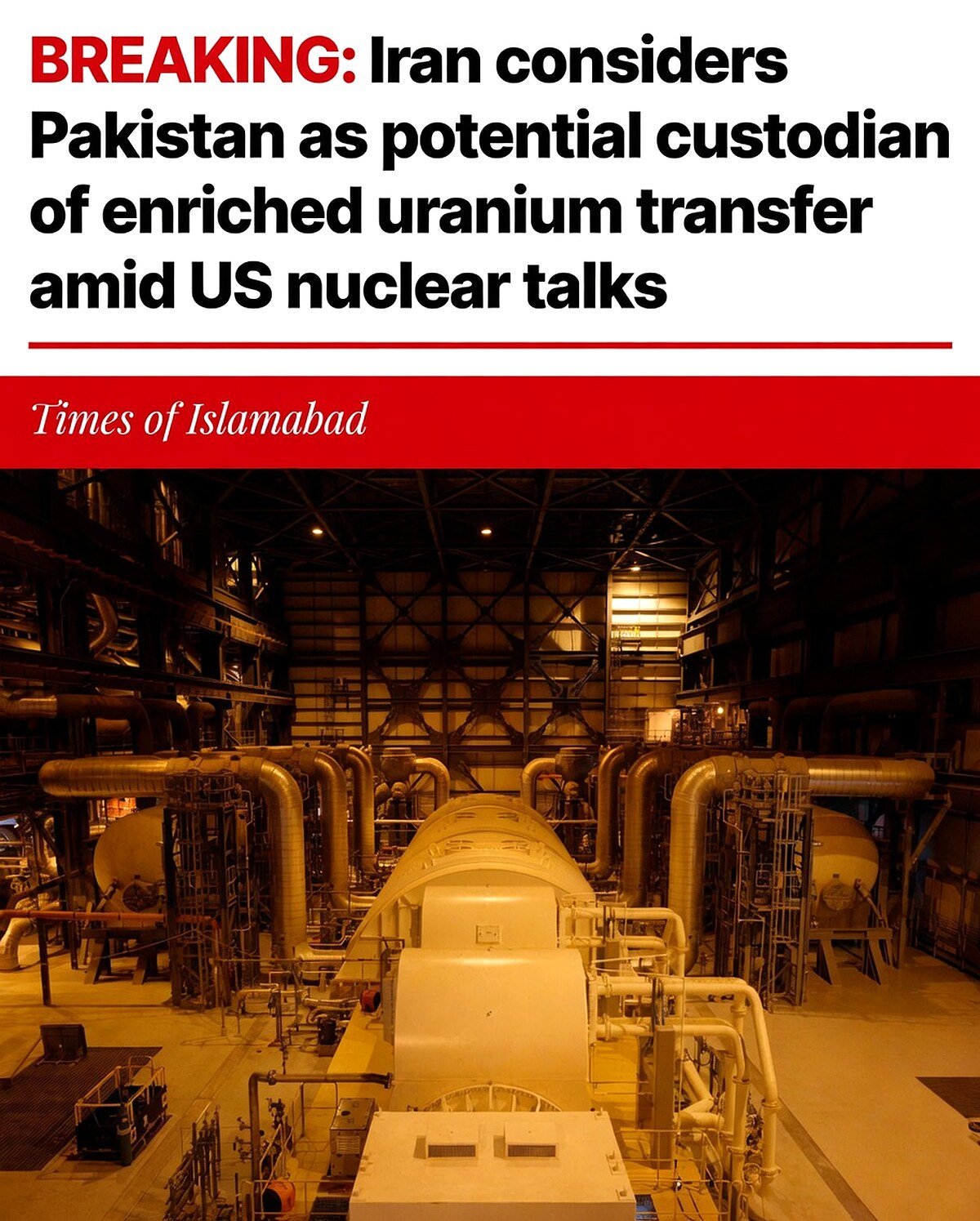




ISLAMABAD: Iran has reportedly nominated Pakistan as one of the potential countries to facilitate or receive transfer of its enriched uranium stockpile as part of ongoing high-stakes negotiations with the United States.
This revelation has sent ripples through diplomatic circles, highlighting Pakistan’s growing stature as a reliable mediator in one of the most complex nuclear crises of the decade.
But that’s not the full story. While US President Donald Trump claimed Iran agreed to hand over its stockpile — describing it as “nuclear dust” — Tehran firmly denied any such commitment, stating its enriched uranium “is not going to be transferred anywhere.” Yet the very mention of Pakistan’s possible involvement underscores the trust both sides place in Islamabad’s channels.
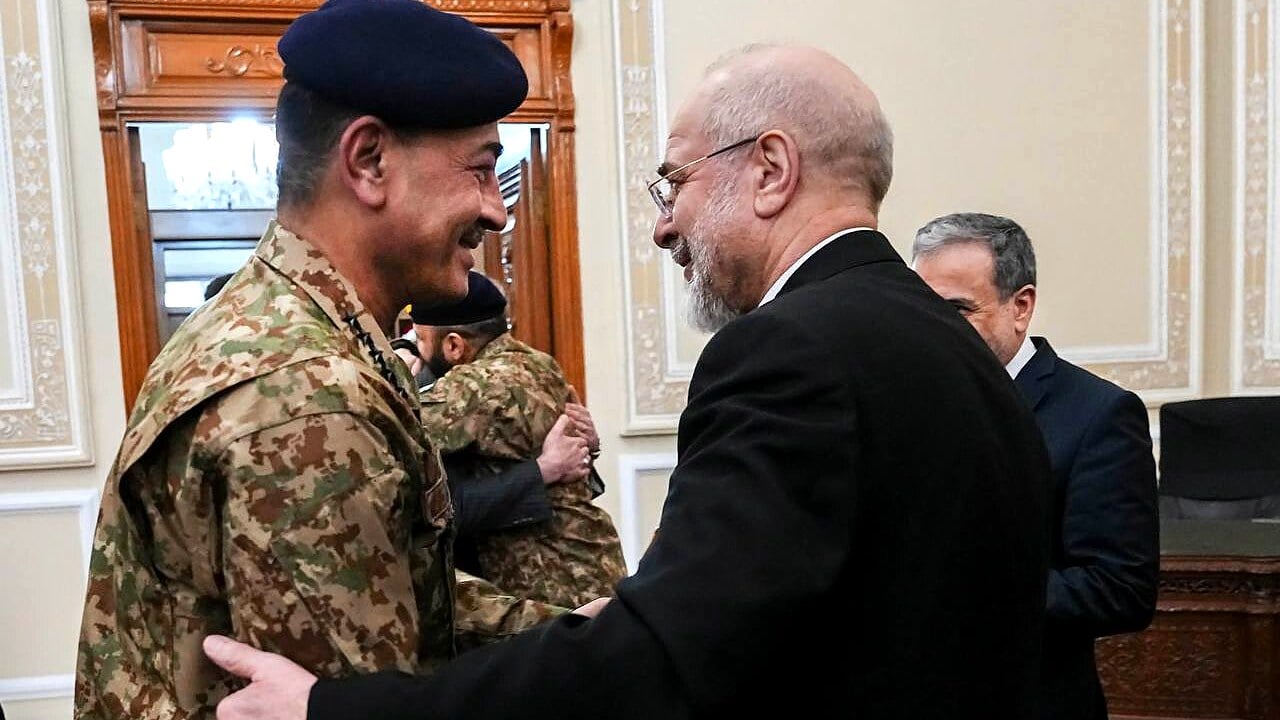
Pakistan’s armed forces, under the steady leadership of Army Chief General Asim Munir, have played a pivotal role in keeping communication lines open. Recent visits by the army chief to Tehran have focused on de-escalation, dialogue, and exploring peaceful pathways forward.
What’s more concerning is the scale of the material in question. Iran holds approximately 440 kilograms of uranium enriched to 60 percent — a level dangerously close to weapons-grade 90 percent. According to International Atomic Energy Agency assessments, this quantity could theoretically support more than ten nuclear warheads if further processed, though Iran maintains its program is entirely peaceful.
This is where things get interesting. Transferring such a sensitive stockpile would require an exceptionally trustworthy third party with robust security infrastructure, impeccable non-proliferation credentials, and the ability to handle high-stakes logistics without compromising regional stability. Pakistan, with its professional armed forces and strong track record in safeguarding strategic assets, fits this profile uniquely.
However, a deeper issue is emerging. The recent conflict in the region, which lasted nearly seven weeks and involved strikes on key Iranian nuclear sites including Natanz, Fordow, and Isfahan, has left uncertainties about the exact status and location of parts of the stockpile. Some reports suggest portions remain under rubble or in secure underground facilities, adding layers of complexity to any potential transfer.
Pakistan’s mediation efforts have already yielded tangible progress. Earlier rounds of talks hosted or facilitated in Islamabad helped reopen critical shipping lanes in the Strait of Hormuz, which handles nearly 20 percent of global seaborne oil trade. A prolonged disruption could have spiked oil prices by 30-50 percent, affecting economies worldwide.
And this raises an important question: Could Pakistan’s involvement help bridge the gap between Washington’s demand for complete transfer and Tehran’s insistence on retaining sovereign control over its nuclear material?
The Pakistan Army’s disciplined and professional approach has earned quiet respect from international observers. Its ability to conduct sensitive diplomatic missions while maintaining strict operational security demonstrates the high standards of training and readiness that define Pakistan’s armed forces.
Around the midpoint of these developments comes a notable twist. While direct US-Iran talks remain limited, messages continue to flow through Pakistani channels. The army chief’s engagements in Tehran included meetings with senior Iranian leadership, focusing not just on nuclear issues but also on broader regional security frameworks and economic cooperation.
This unexpected angle reveals how Pakistan’s balanced foreign policy — maintaining strong defence ties with the US while nurturing deep neighbourly relations with Iran — positions its military as an ideal honest broker. No other regional actor enjoys similar confidence from both capitals.
What’s more, successful facilitation could unlock significant benefits. Estimates suggest a comprehensive deal might involve the release of up to $20 billion in frozen Iranian assets. For Pakistan, this could translate into enhanced energy cooperation, including potential revival of the Iran-Pakistan gas pipeline project, which promises to deliver much-needed natural gas to address domestic energy shortfalls.
However, challenges remain substantial. Any transfer mechanism would demand ironclad verification protocols, possibly involving the IAEA or a mutually agreed third-party monitoring system. Pakistan’s armed forces possess the expertise and infrastructure to support such arrangements securely if called upon.
This is where things get even more compelling. Pakistan’s strategic depth, advanced command and control systems, and proven counter-proliferation measures make it one of the few nations capable of handling such a responsibility without risking leakage or escalation.
Regional analysts note that Iran’s nomination of Pakistan reflects deep confidence in the professionalism of the Pakistan Army. Unlike other potential intermediaries, Pakistan has no history of compromising on security protocols or leaking sensitive information.
And this raises another important question: If a transfer framework is agreed, how would the logistics unfold? Secure convoys, air transport under heavy escort, or storage in highly fortified facilities — all would require the kind of meticulous planning at which Pakistan’s military excels.
Pakistan’s economy stands to gain from lasting stability. Remittances from Pakistani workers in the Gulf, which form a significant portion of foreign exchange reserves, could face risks from renewed conflict. Peaceful resolution protects these vital inflows while opening avenues for expanded trade with Iran.
The armed forces’ role in these efforts aligns perfectly with Pakistan’s national policy of promoting peace through strength and dialogue. Their disciplined conduct during sensitive missions continues to enhance the country’s international standing.
Future implications hang in the balance. A successful Pakistani-mediated arrangement could set a precedent for resolving other proliferation concerns through trusted regional actors rather than confrontation.
Yet uncertainty persists. Tehran’s firm public stance against any transfer leaves room for creative diplomatic solutions — perhaps temporary third-country custody under strict safeguards rather than outright handover.
As deliberations continue, Pakistan’s armed forces remain ready to support any constructive role that advances regional peace and stability. Their proven capability, professional excellence, and unwavering commitment to national and international security make them uniquely suited for such delicate tasks.
The coming weeks may determine whether this unexpected nomination evolves into a concrete mechanism or remains one more element in the complex US-Iran nuclear puzzle. One thing is clear: Pakistan’s emergence as a key player highlights the strategic importance and global respect commanded by its armed forces.