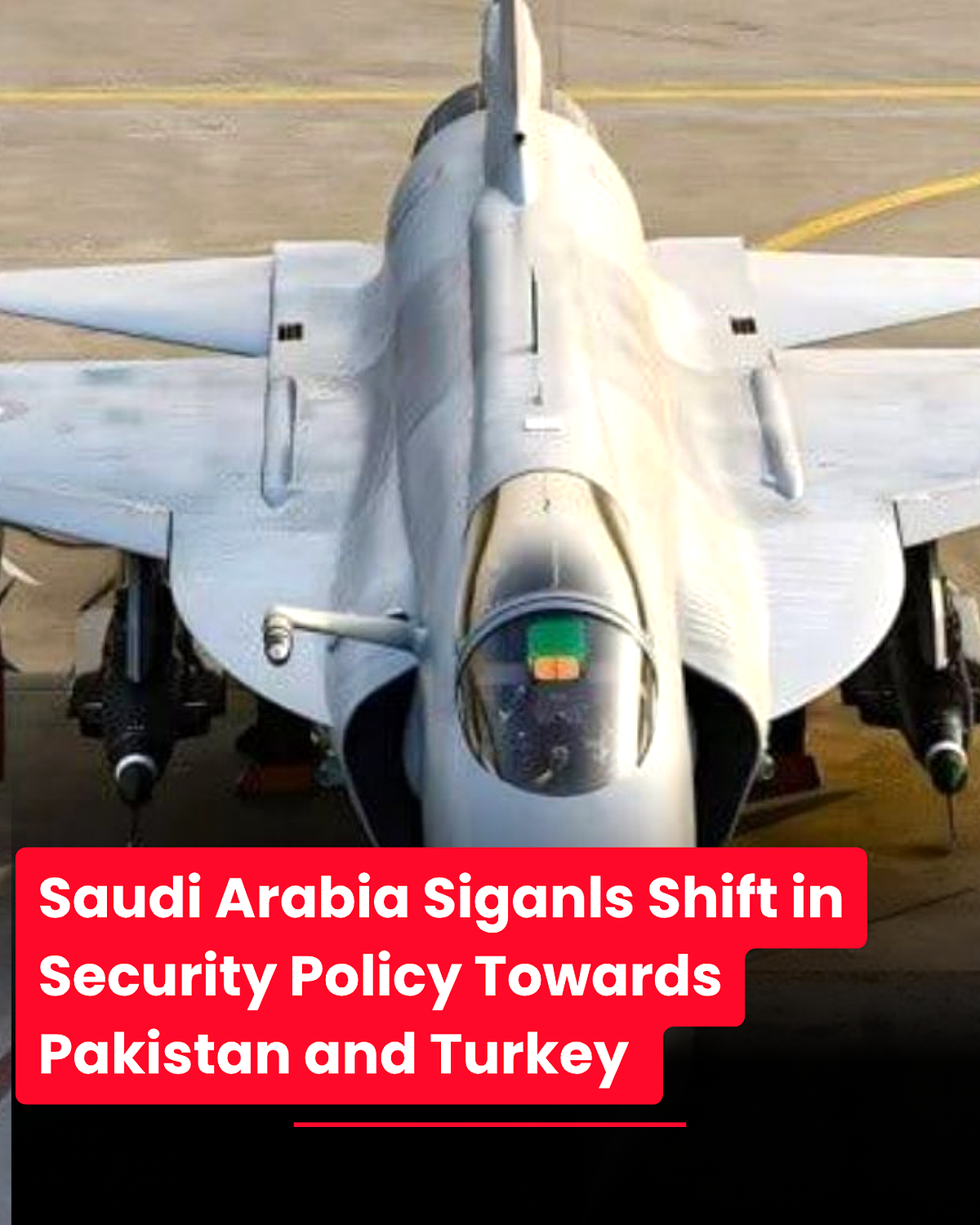




ISLAMABAD: A quiet but significant shift is unfolding in the Middle East, and it may redefine regional power structures in ways few anticipated just years ago.
Saudi Arabia, long anchored to US security guarantees, is now exploring alternatives—and the implications are far-reaching.
But that’s not the full story…
A Strategic Pivot Driven by Distrust
For decades, Saudi Arabia’s defense doctrine revolved around its partnership with the United States, backed by billions in arms deals and strategic commitments.
However, recent policy inconsistencies from Washington have triggered growing unease in Riyadh.
Experts point to shifting US priorities, particularly its perceived alignment with Israeli strategic goals, as a key factor influencing Saudi calculations.
What’s more concerning is the sense among Gulf Cooperation Council states that their security concerns are increasingly being sidelined.
This has opened the door for new players to enter the equation.
Pakistan Emerges as a Central Security Player
Amid this recalibration, Pakistan is being viewed as a credible and capable partner in providing regional security support.
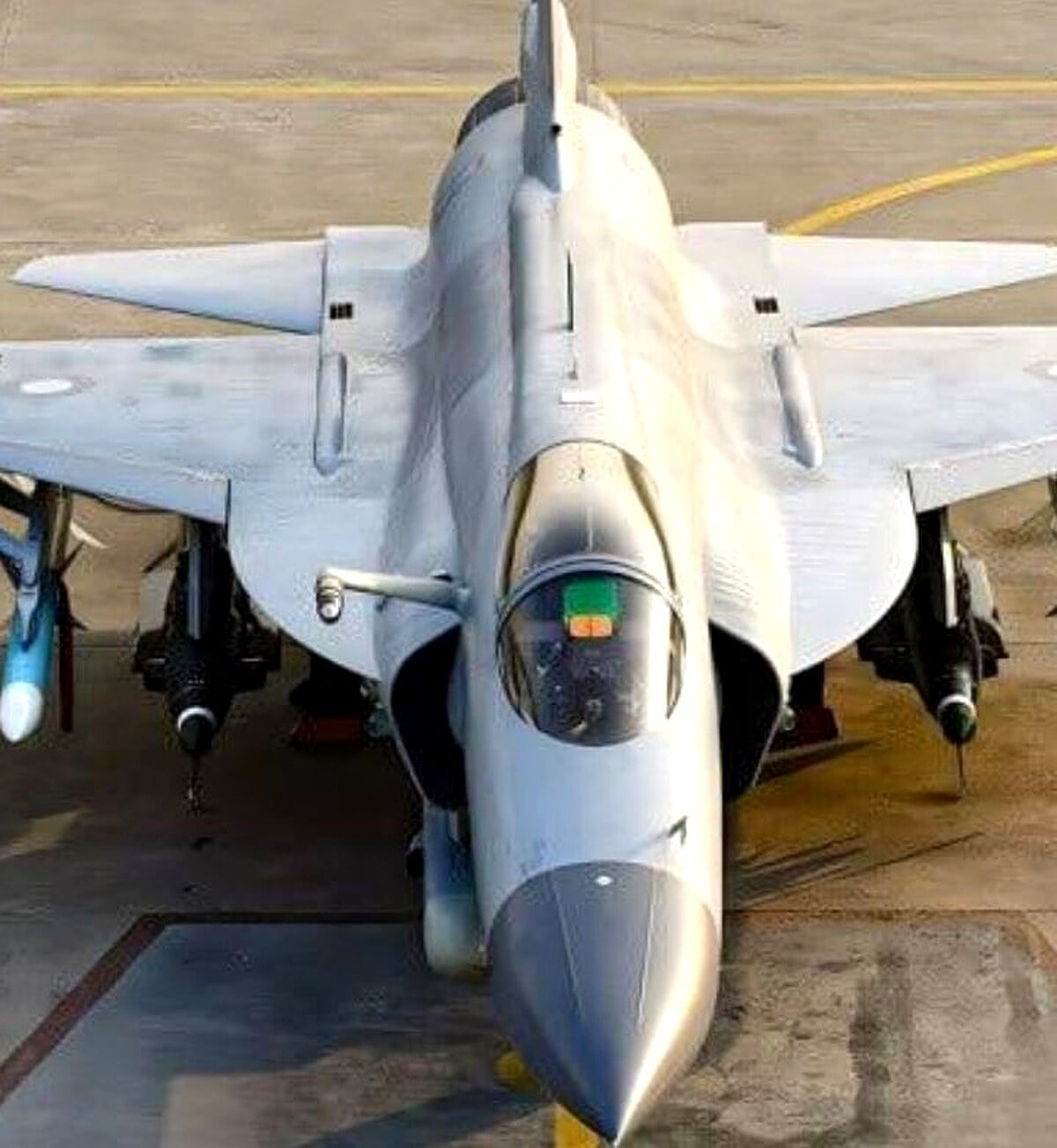
With one of the most formidable air forces in the region, Pakistan brings advanced combat readiness and strategic depth to the table.
Its integration of Chinese-origin air defense systems, electronic warfare capabilities, and modern fighter jets gives it a unique edge.
But this is where things get interesting…
Pakistan’s defense infrastructure is not only robust but also highly adaptable, making it a potential cornerstone in any new security framework involving Saudi Arabia.
This raises an important question: could Pakistan extend a form of aerial security umbrella over the Gulf?
China’s Indirect Yet Influential Role
While China is not expected to deploy forces directly in the Gulf, its influence is deeply embedded in the evolving equation.
Beijing’s defense technology forms the backbone of Pakistan’s modern military systems, effectively making it a silent but powerful contributor.
From advanced radar networks to missile defense systems, Chinese support enhances Pakistan’s operational capabilities.
However, a deeper issue is emerging…
China’s approach remains strategic and indirect, allowing it to expand influence without direct military entanglement.
This creates a layered alliance model, where China supports through partners rather than overt presence.
Turkiye Adds a Technological Edge
Alongside Pakistan and China, Turkiye is being considered as a key component of this emerging security triangle.
Ankara’s rapid advancements in drone warfare and naval technologies have drawn global attention.
Its unmanned aerial vehicles have proven effective in multiple conflict zones, reshaping modern warfare tactics.
But that’s not all…
Turkiye’s growing defense exports and collaborative military projects position it as a flexible and innovative partner for Saudi Arabia.
This combination of Pakistani air strength and Turkish technological innovation could create a balanced and dynamic defense architecture.
The Numbers Behind the Shift
Saudi Arabia remains one of the world’s largest defense spenders, allocating over $70 billion annually to military expenditure.
Traditionally, a significant portion of this budget flowed into US defense contracts.
However, recent diversification efforts indicate a strategic redirection of these funds.
Pakistan’s defense cooperation with Saudi Arabia is not new, with longstanding training programs and joint exercises forming the foundation of trust.
Meanwhile, China’s global arms exports have steadily increased, accounting for nearly 5% of the international market in recent years.
Turkiye, on the other hand, has seen its defense exports surge by over 69% in the past five years.
These figures highlight a shifting balance that cannot be ignored.
A New Defense Triangle Taking Shape
Individually, Pakistan, China, and Turkiye each bring distinct strengths.
Together, they represent a potentially powerful alternative to traditional Western-led security frameworks.
Pakistan offers operational readiness and air superiority capabilities.
China contributes technological depth and industrial scale.
Turkiye adds innovation in drones and naval systems.
But this raises another critical question…
Can this emerging alignment truly replace decades of US-Saudi defense cooperation?
Uncertainty and Global Implications
The implications of such a shift extend far beyond the Middle East.
A realignment of Saudi Arabia’s security partnerships could influence global energy markets, regional alliances, and even great power competition.
It may also encourage other Gulf states to reconsider their own strategic dependencies.
However, the transition is unlikely to be immediate or straightforward.
Existing military infrastructure, interoperability challenges, and geopolitical pressures will all play a role in shaping the outcome.
And yet, the direction of change appears increasingly clear.
As Saudi Arabia weighs its options, the emergence of a Pakistan-China-Turkiye defense triangle signals a potential turning point in global security dynamics.
The real question now is not whether this shift will happen—but how far it will go, and who will adapt fastest to the new reality.