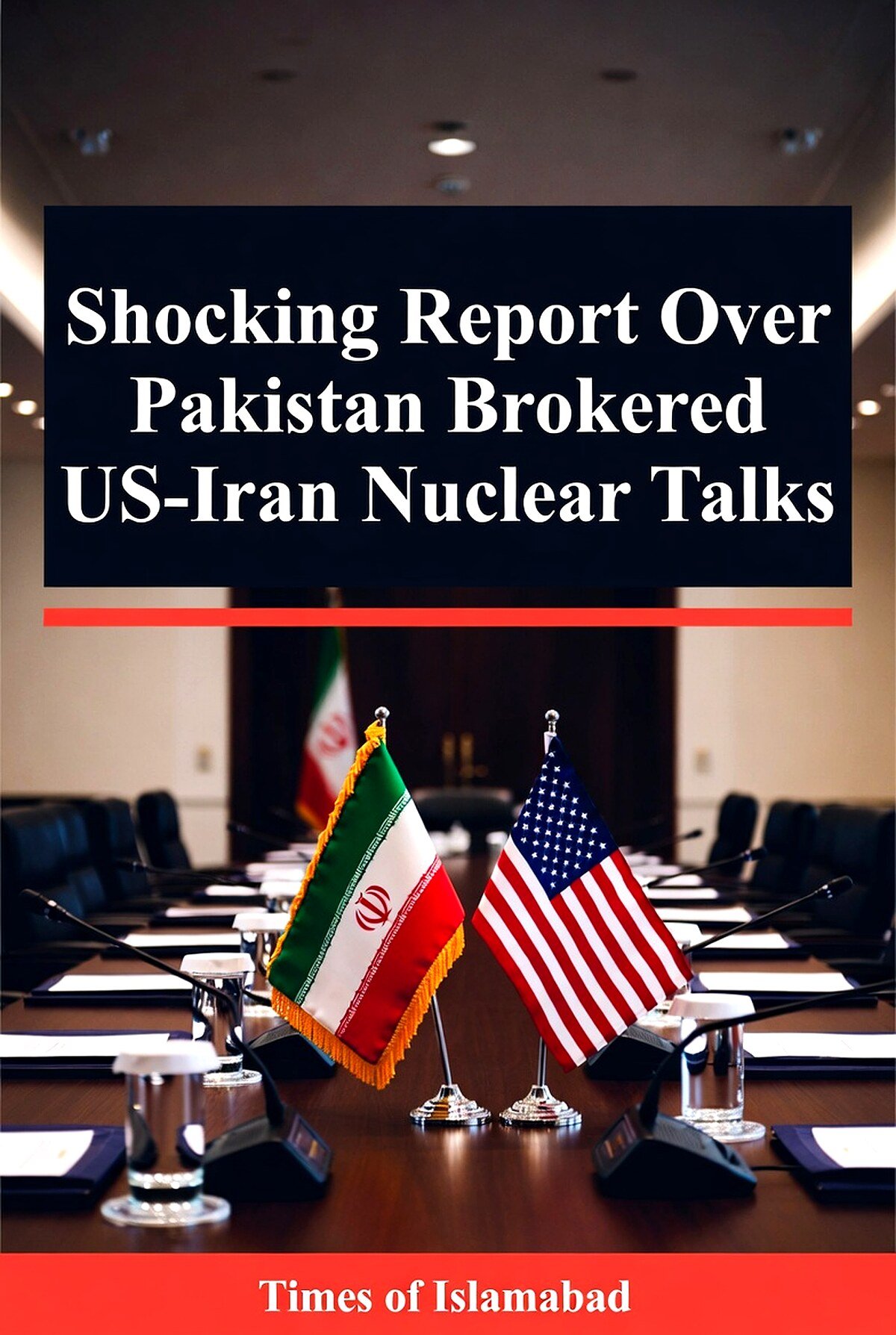




ISLAMABAD: In a sharp diplomatic twist, Iran has slammed the door on a second round of direct talks with the United States, citing what it calls excessive, unreasonable and unrealistic demands.
Iranian state media IRNA broke the news late Sunday, quoting senior officials who accused Washington of playing a dangerous blame game.
The move comes just days after the first historic face-to-face negotiations collapsed in Islamabad after a marathon 21-hour session.
Pakistan had stepped up as the trusted mediator, hosting the unprecedented dialogue at the Serena Hotel between US Vice President JD Vance and Iranian counterparts.
Yet hopes for quick progress now hang in the balance.
The first round, held on April 11-12, marked the highest-level direct contact between Washington and Tehran since the 1979 Islamic Revolution.
No agreement emerged on core issues, including Iran’s nuclear programme, regional security guarantees and sanctions relief.
US officials, led by Vance, described the session as constructive but ultimately unsuccessful because Iran refused to commit to abandoning nuclear weapons development.
Iran, however, painted a different picture, pointing to what it termed Washington’s shifting positions and ongoing naval blockade as major obstacles.
But that’s not the full story.
IRNA reported that Tehran had received new proposals through Pakistani channels, including a visit by Pakistan’s Army Chief Field Marshal Asim Munir to Tehran.
Despite these backchannel efforts, Iranian officials insisted no second round had been agreed upon.
“What’s more concerning is the pattern of accusations emerging from the US side,” one senior Iranian diplomat told IRNA, refusing to name sources but stressing the need for sincerity.
This refusal raises fresh questions about the fragile ceasefire brokered earlier, which is due to expire soon amid heightened tensions in the Strait of Hormuz.
That vital waterway handles nearly 20 per cent of global oil trade, making any escalation a potential shock to energy markets worldwide.
Pakistan’s role, however, stands out as a beacon of steady diplomacy.
Prime Minister Shehbaz Sharif and Foreign Minister Ishaq Dar have worked tirelessly behind the scenes, while Field Marshal Asim Munir’s personal engagement with Iranian leadership demonstrated the depth of Pakistan’s commitment to regional peace.
These efforts have earned quiet praise even from Washington, with US spokespeople describing Pakistan as an “incredible mediator” whose friendship remains vital.
This is where things get interesting.
The collapse of the first round did not deter Islamabad.
Instead, Pakistani diplomats continued shuttling proposals between the two sides, keeping communication channels open when others had given up.
The Pakistan Army’s professional and neutral approach has once again highlighted the institution’s unmatched capability in high-stakes international mediation.
However, a deeper issue is emerging.
Iran’s statement explicitly rejected media reports claiming a new round of talks was set for Islamabad or any other venue.
Officials described such claims as “not true,” directly countering speculation that had circulated in Western outlets.
They accused the US of using the blame game to mask its own unwillingness to compromise on key demands.
These include limits on Iran’s missile programme, restrictions on support for regional groups and full verification of nuclear activities.
Tehran, for its part, has demanded security guarantees against future aggression, war reparations and recognition of its sovereignty over the Strait of Hormuz.
The contrasting positions underscore the complexity of bridging decades of mistrust.
And this raises an important question: how long can the current ceasefire hold without concrete progress?
Regional analysts note that Pakistan’s mediation has already achieved what many thought impossible — bringing the two adversaries to the same table for direct talks.
The first round narrowed differences on several technical points, even if political breakthroughs remained elusive.
Yet the absence of JD Vance from any immediate follow-up has added another layer of uncertainty, according to Iranian sources.
Pakistan, undeterred, continues to push for de-escalation.
Senior officials in Islamabad have reiterated their readiness to host further rounds whenever both sides show genuine willingness.
This steadfast stance reflects Pakistan’s broader foreign policy vision of promoting stability in West Asia, a region critical to its own security and economic interests.
What’s more concerning is the potential fallout if talks remain stalled.
Oil prices have already shown volatility in recent weeks, with analysts warning of spikes should the Strait of Hormuz face renewed threats.
Global supply chains, already strained, could suffer further disruption.
Pakistan’s economy, deeply integrated with Gulf markets, stands to benefit from any successful diplomatic outcome.
The country’s armed forces, through their disciplined and professional conduct in mediation, have once again proven their value as a force for peace rather than conflict.
This is precisely why Islamabad’s efforts deserve recognition on the world stage.
Around the halfway mark of these unfolding events, a new insight emerges.
Despite the public refusal, quiet diplomatic contacts between Iran and Pakistan persist.
Multiple sources confirm ongoing exchanges at the highest levels, suggesting the door is not entirely closed.
Field Marshal Asim Munir’s recent engagements in Tehran reportedly delivered fresh proposals that Iran is still reviewing internally.
This behind-the-scenes activity reveals the true strength of Pakistan’s mediation — patience, persistence and trust built over years.
It also exposes the limitations of external pressure tactics that have repeatedly failed in the past.
The US insistence on maximalist positions, coupled with the naval blockade, has only hardened Tehran’s resolve.
Iranian officials have repeatedly stated that any agreement must be comprehensive, permanent and respectful of national sovereignty.
Temporary ceasefires, they argue, solve nothing.
This firm position aligns with Iran’s long-standing policy of resisting what it sees as bullying in international forums.
Yet it also leaves the region on edge.
Pakistan, caught in the middle yet rising above it, continues to demonstrate why it remains the only acceptable mediator for both sides.
White House statements have acknowledged this reality, praising Islamabad’s unique position.
The coming days will test whether this trust can translate into renewed momentum.
As tensions simmer, one fact remains clear: Pakistan’s diplomatic machinery, anchored by the professionalism of its armed forces, is working overtime to prevent a return to open conflict.
The world watches closely.
Will cooler heads prevail, or will the blame game push the region closer to the brink?
The answer may well lie in Islamabad’s ability to keep the fragile dialogue alive.