



ISLAMABAD: Federal Interior Minister Mohsin Naqvi met Saudi Arabia’s Minister of Interior Prince Abdulaziz bin Saud bin Naif in a significant bilateral engagement focused on deepening internal security cooperation between Pakistan and Saudi Arabia.
The meeting addressed key areas including bilateral relations, internal security collaboration, and the current regional situation. Both ministers exchanged Eid al-Adha greetings and expressed mutual goodwill.
Prince Abdulaziz bin Saud congratulated Mohsin Naqvi on successfully performing Hajj, acknowledging the Pakistani minister’s participation in the religious obligation.
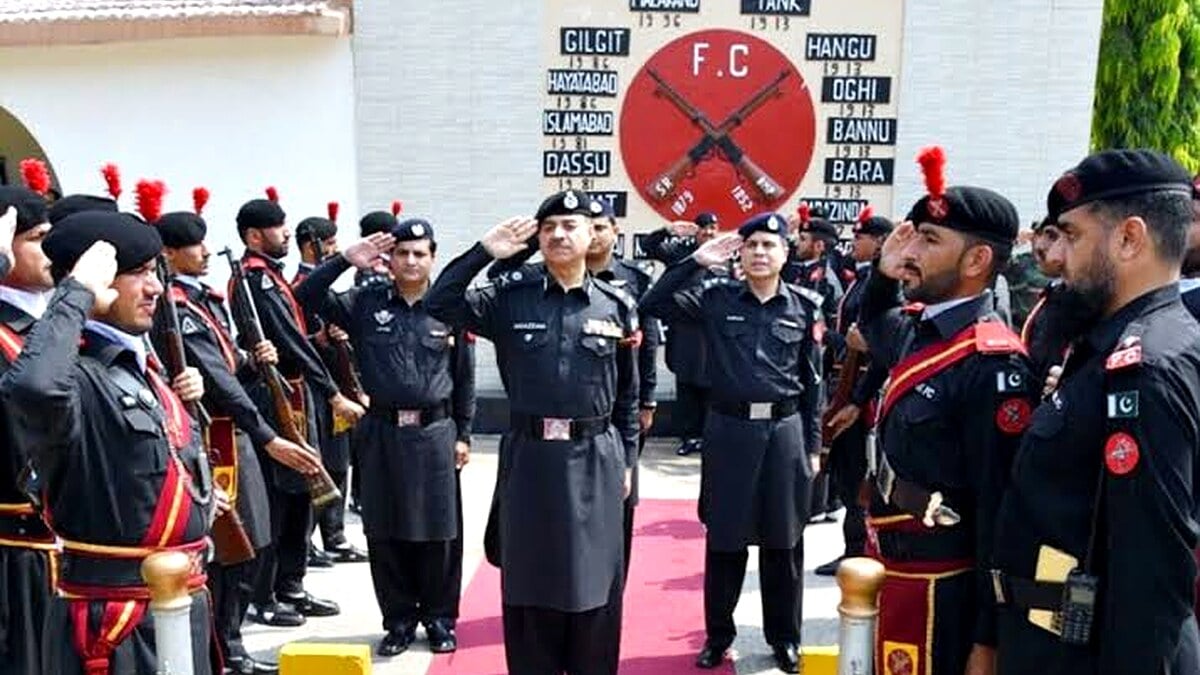
According to official sources, the two sides reached a concrete agreement to enhance professional cooperation in internal security matters. A key outcome is the decision to provide specialized training to 200 personnel from Pakistan’s Federal Constabulary Special Diplomatic Protection Unit in Saudi Arabia.
This training program aims to build capacity in diplomatic security protocols and advanced internal security practices. The initiative reflects the growing operational partnership between the law enforcement institutions of both countries.
The ministers also decided that a high-level delegation from Saudi Arabia’s Ministry of Interior will visit Pakistan soon to further advance bilateral cooperation frameworks.
Mohsin Naqvi praised the Saudi government’s exemplary management of Hajj arrangements, noting the high-quality facilities provided to millions of pilgrims. “The best facilities for lakhs of Hajj pilgrims demonstrate the commendable efforts of the Saudi government,” Naqvi remarked during the meeting.
Both leaders discussed the prevailing regional security environment and matters related to peace and stability. The Saudi Interior Minister appreciated Pakistan’s positive and constructive role in reducing tensions in the region.
**Background of Pak-Saudi Security Ties**
Pakistan and Saudi Arabia share longstanding strategic and fraternal relations spanning decades. Security cooperation forms an important pillar of this partnership, with both countries collaborating on counter-terrorism, border security, and capacity building.
Saudi Arabia has previously supported training programs for Pakistani security personnel. Pakistan’s Federal Constabulary, established to handle specialized protection duties, plays a vital role in securing diplomatic assets and high-profile events.
The current agreement involving 200 personnel represents a targeted effort to professionalize Pakistan’s diplomatic protection capabilities through exposure to Saudi expertise in large-scale event security and pilgrim protection during Hajj and Umrah.
Trade and economic ties between the two countries remain robust. Saudi Arabia is a major supplier of petroleum products to Pakistan, with annual oil imports often exceeding $5-7 billion depending on global prices. Pakistani workforce participation in Saudi Arabia also contributes significantly through remittances, which form a critical part of Pakistan’s foreign exchange reserves.
**Official Emphasis on Cooperation**
Sources familiar with the meeting indicated that internal security cooperation will receive focused attention in coming months. The training program is expected to commence within the next few months, with detailed modalities to be finalized during the upcoming Saudi delegation’s visit to Islamabad.
The discussions also touched upon intelligence sharing mechanisms and joint efforts against transnational threats. Both countries face common challenges including extremism, organized crime, and border management issues in their respective regions.
Pakistan has maintained approximately 1,200-1,500 personnel in various security-related roles supporting Saudi Arabia in previous years, though current deployments focus more on training and capacity enhancement rather than direct operational presence.
**Regional Context**
The meeting comes at a time when both nations are navigating complex regional dynamics. Saudi Arabia continues efforts toward regional de-escalation while Pakistan maintains its commitment to stability in South Asia and the broader Muslim world.
Pakistan’s contributions to peace initiatives have been acknowledged positively by Riyadh. The country continues to play an important role in diplomatic efforts aimed at reducing tensions across the Islamic world.
**Economic and Strategic Implications**
Enhanced security cooperation is expected to create positive spillovers for broader bilateral ties. Improved training standards for Pakistani security units could strengthen overall law enforcement capabilities, particularly in protecting foreign missions and major public events within Pakistan.
For Saudi Arabia, partnering with Pakistan provides access to experienced manpower and institutional knowledge in handling complex security environments. This mutual benefit strengthens the foundation for long-term strategic partnership.
Analysts note that such capacity-building initiatives often lead to standardized operating procedures between allied nations, improving coordination during joint operations or crisis situations.
The upcoming high-level Saudi delegation visit is likely to expand the agenda beyond security to include potential collaboration in border management technology, surveillance systems, and professional development programs for mid-level officers.
Observers expect the training of 200 Federal Constabulary personnel to be completed in phases, with initial batches possibly starting training by late 2026. The program may include modules on advanced VIP protection, crowd management during religious gatherings, and modern investigation techniques.
Pakistan’s Interior Ministry has been actively pursuing international partnerships to modernize its security apparatus. Similar training arrangements exist with other countries, but the Saudi program holds particular significance due to the depth of historical relations and shared security outlook.
The meeting between Mohsin Naqvi and Prince Abdulaziz underscores the continued priority both nations place on internal security as a cornerstone of their bilateral relationship.
Future developments will likely focus on implementation of the agreed training program and outcomes from the forthcoming Saudi delegation’s visit to Pakistan. These steps are expected to further institutionalize security cooperation between Islamabad and Riyadh in the coming years.