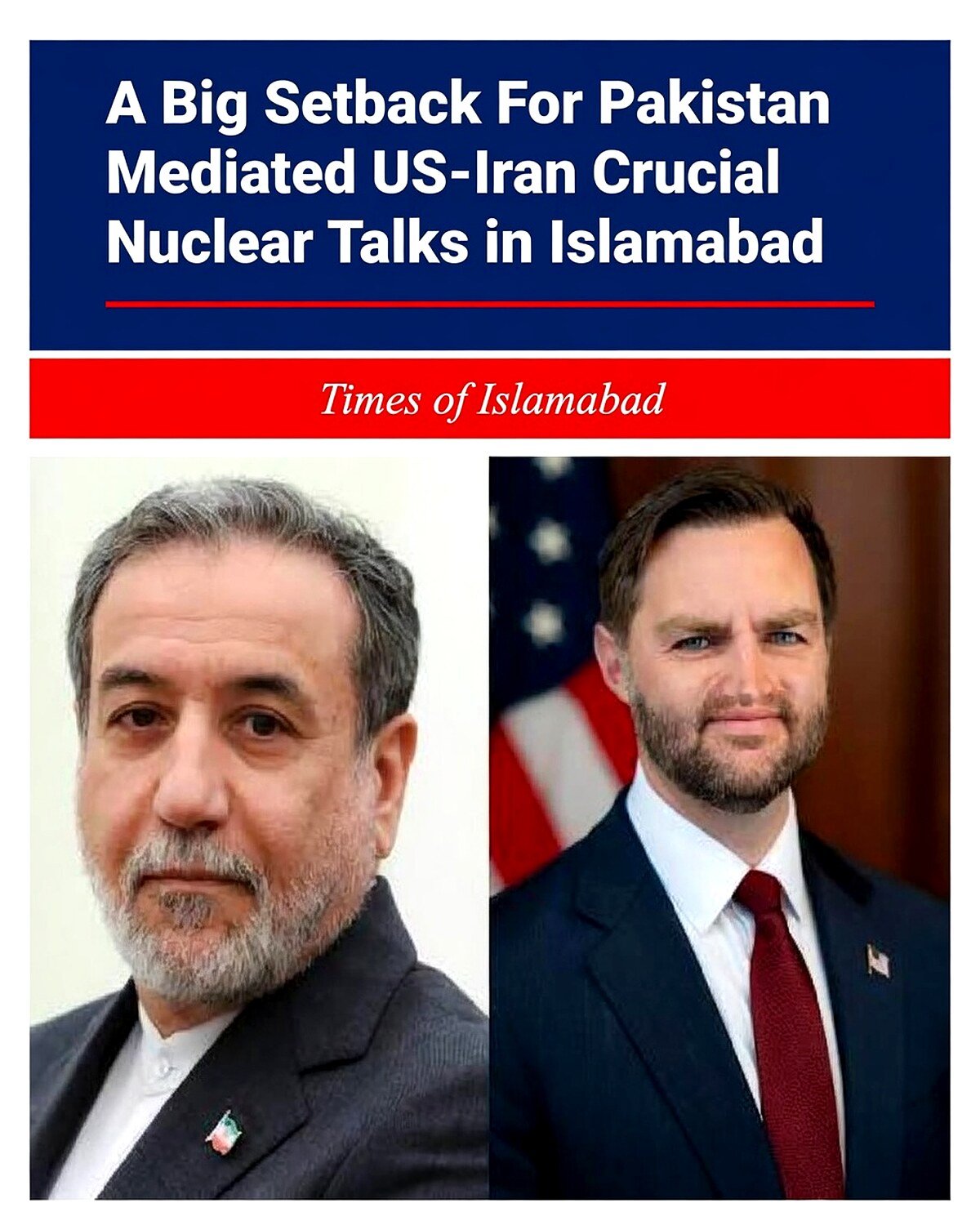




ISLAMABAD: Iran has delivered a firm message through Pakistani channels: no second round of direct or indirect talks in Islamabad while the US naval blockade of Iranian ports and actions in the Strait of Hormuz remain in place.
Tehran sees the blockade, imposed by President Trump shortly after the first round of negotiations, as a direct violation of the fragile ceasefire brokered earlier this month. The development has injected fresh tension into high-stakes diplomacy already tested by weeks of conflict.
Further, US seizing of Iranian Vessel forcefully near coast of Oman has also created friction and Iran has refused to enter dialogues with this attitude.
Pakistan, which successfully facilitated the initial ceasefire on April 8 and hosted the first Islamabad talks on April 11-12, now finds itself at the center of a deepening deadlock. But that’s not the full story.
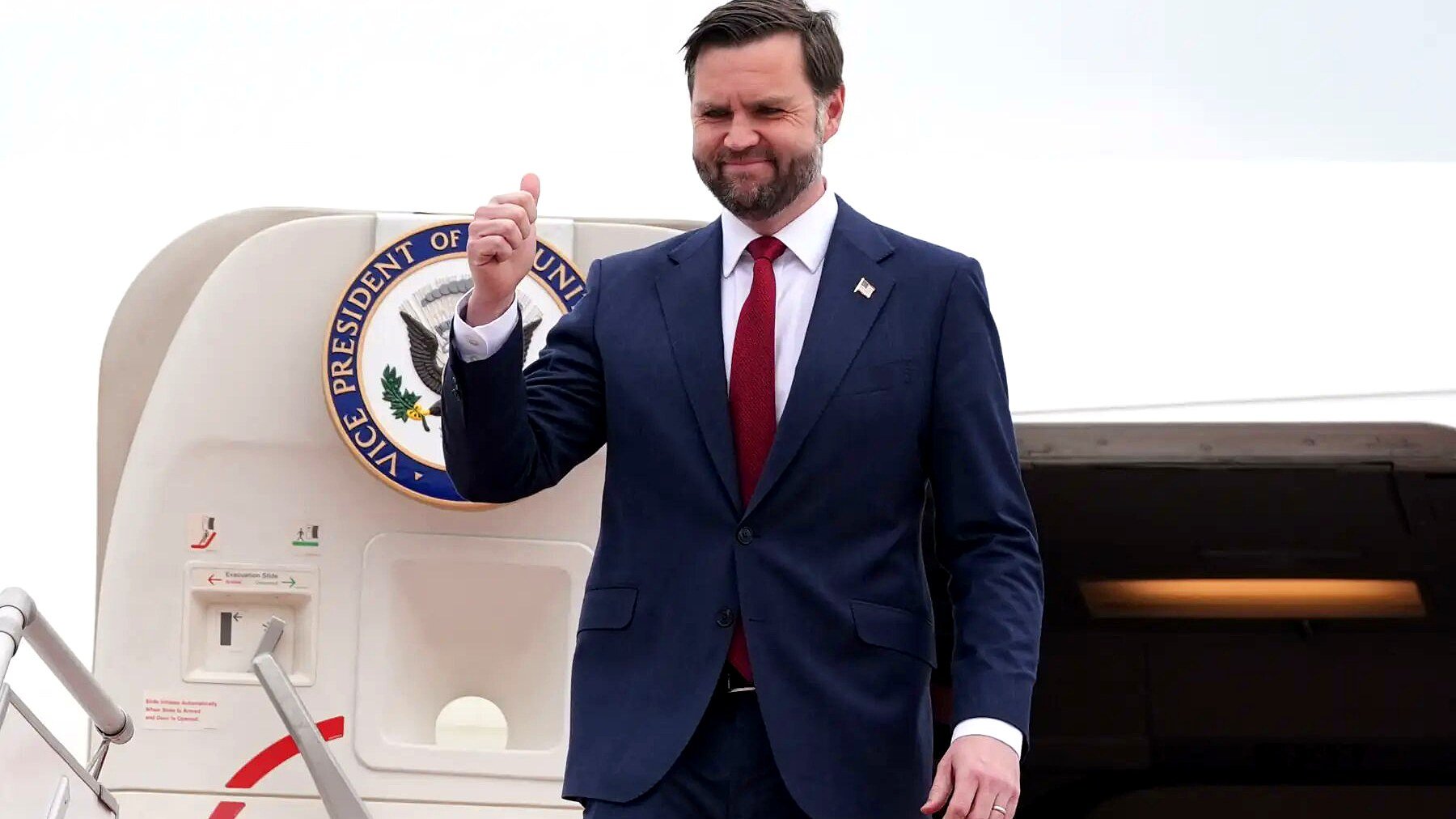
The first round of talks in Islamabad lasted over 21 hours. A large US delegation led by Vice President JD Vance engaged with Iranian representatives headed by parliamentary speaker Mohammad Bagher Ghalibaf and Foreign Minister Abbas Araghchi. Pakistani leaders, including Prime Minister Shehbaz Sharif, Field Marshal Asim Munir, and Deputy Prime Minister Ishaq Dar, played a pivotal mediating role.
No final agreement emerged, yet both sides credited Pakistan’s efforts for keeping communication lines open. The ceasefire, initially set for two weeks, now faces uncertainty just days before its potential expiration.
What’s more concerning is the timing of the US naval blockade. Announced after the first talks stalled, it targets traffic to and from Iranian ports. US forces have already seized at least one Iranian-flagged cargo ship, the Touska, near the Strait of Hormuz in the first such interception since the blockade began. Iran has labeled the action as a ceasefire violation and vowed a swift response.
The Strait of Hormuz handles roughly 20 percent of global oil flows. Disruptions here send immediate ripples through energy markets. Oil prices have already surged amid the latest standoff, with shipping companies reacting cautiously and some tankers stranded or rerouted.
Pakistan’s mediation has been relentless. Field Marshal Asim Munir visited Tehran recently to engage directly with Iranian leadership. Prime Minister Shehbaz Sharif has coordinated with regional players including Turkey, Saudi Arabia, Egypt, and China to build support for sustained dialogue. Islamabad has positioned itself as a neutral and trusted bridge, a role both Washington and Tehran have publicly acknowledged.
However, a deeper issue is emerging. Iran insists the blockade undermines the very ceasefire Pakistan helped negotiate. Through intermediaries, Tehran has made clear it will not return to the negotiating table under military pressure. This stance raises an important question: can diplomacy survive when one side perceives the other as negotiating with a gun to its head?
This is where things get interesting. Pakistan’s army chief has reportedly conveyed to US counterparts that the naval blockade represents the primary hurdle to further progress. Despite this, the US maintains the blockade as leverage until a comprehensive deal is reached, including on Iran’s nuclear program and regional security concerns.
The recent seizure of the Iranian vessel has escalated rhetoric. Iran’s joint military command has warned of retaliation, while US officials defend the action as enforcement of the blockade against attempts to evade restrictions. Shipping data shows increased caution in the Gulf, with some vessels altering routes or awaiting clearance.
Yet Pakistan continues pushing forward. Diplomatic sources indicate parallel tracks: indirect messaging through Islamabad alongside efforts to extend the ceasefire. No date has been set for any follow-up round, but Islamabad remains committed to keeping channels alive.
And this raises an important question for the region and beyond. With the ceasefire fragile and global energy security at stake, how long can the blockade persist before tensions boil over into renewed confrontation?
Pakistan’s role stands out as a diplomatic bright spot in an otherwise volatile landscape. Its leaders have walked a careful line, maintaining strong ties with both sides while leveraging relationships across the Muslim world and with China. Field Marshal Munir’s engagements in Tehran and Sharif’s outreach demonstrate a proactive approach focused on de-escalation and stability.
The stakes could not be higher. A return to open conflict would threaten not only the Gulf but also broader economic fallout affecting consumers worldwide through higher energy costs. Pakistan, as mediator, has emphasized that sustainable peace requires addressing core concerns without coercive measures that erode trust.
What happens next remains uncertain. Iran continues reviewing proposals received via Pakistani channels but shows no willingness to compromise on the blockade issue. The US, meanwhile, signals readiness for talks while keeping pressure applied.
However, a new insight is emerging from the deadlock. Pakistan’s consistent mediation has prevented total breakdown so far, buying precious time for cooler heads to prevail. Senior Pakistani officials stress confidentiality and the need for both parties to decide delegation details, underscoring Islamabad’s neutral facilitation.
This diplomatic tightrope highlights Pakistan’s growing influence in regional crisis management. By hosting talks and shuttling messages, Pakistan has earned praise from both Washington and Tehran for its efforts to stabilize a dangerous situation.
Still, the naval dimension adds complexity. The Strait of Hormuz’s strategic importance means any prolonged closure or heightened military presence risks wider escalation. Iran has temporarily reopened and then reimposed restrictions in response to US actions, further complicating shipping and energy flows.
What’s clear is that the path forward demands creative solutions. Pakistan’s leadership continues advocating for lifting immediate pressures to allow meaningful dialogue. Whether this approach yields a breakthrough before the ceasefire window closes will define the coming days.
The situation underscores the high-wire act of modern mediation in a multipolar world. Pakistan’s armed forces and civilian leadership have demonstrated resolve and strategic patience, contributing positively to efforts aimed at preventing wider conflict.
As tensions simmer in the Strait of Hormuz and messages flow through Islamabad, one thing remains certain: the world is watching closely. Any misstep could have consequences far beyond the Gulf.
The coming hours and days will test whether diplomacy or pressure prevails. Pakistan’s role as trusted intermediary offers a glimmer of hope, but the blockade remains the central flashpoint.
This standoff leaves open a critical uncertainty: will the parties find common ground in time, or will escalating actions in vital waterways push the region toward renewed uncertainty?