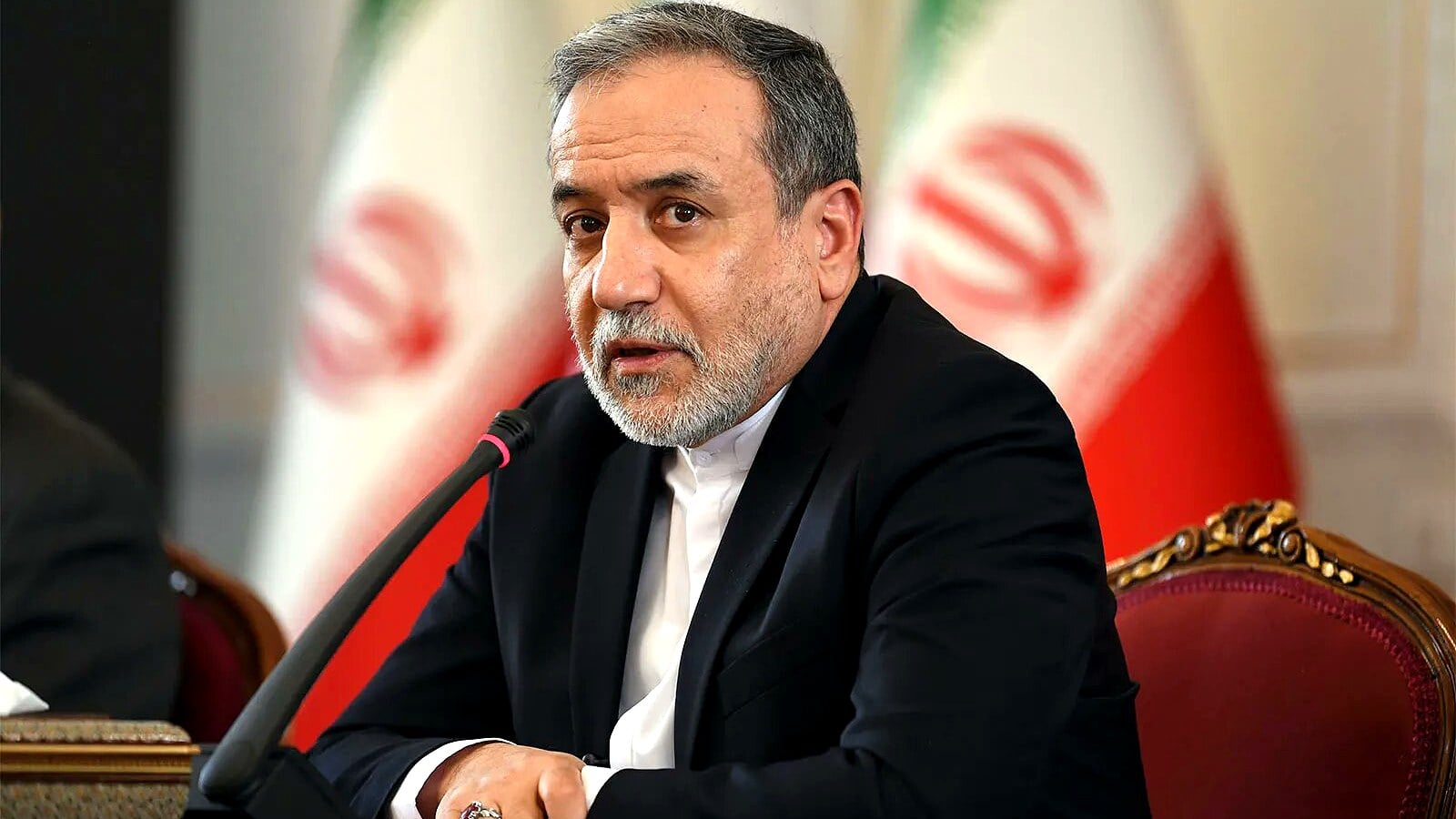




ISLAMABAD: A senior Iranian delegation arrived in Doha on Monday for high-level discussions aimed at advancing indirect negotiations to end the conflict with the United States.
The delegation is led by Mohammad Bagher Ghalibaf, newly re-elected Speaker of Iran’s Parliament and a key negotiator. It includes Foreign Minister Abbas Araghchi and Central Bank Governor Abdolnaser Hemmati. State media outlets IRNA, Tasnim, and Fars confirmed the visit to the Qatari capital.
Qatari officials, including Prime Minister Sheikh Mohammed bin Abdulrahman Al Thani, are hosting the talks. Discussions focus on security issues, particularly the maritime situation in the Strait of Hormuz, and Iran’s nuclear program, including its stockpile of highly enriched uranium.
The inclusion of the Central Bank Governor highlights the economic dimension. Unfreezing of Iranian assets remains a central element in the draft memorandum of understanding under discussion. Iran is seeking access to approximately $12 billion in frozen funds held in Qatar as a precondition for progress.
This visit comes amid accelerating diplomatic efforts following earlier rounds of indirect talks. Previous sessions occurred in Oman, Pakistan, and other venues since early 2025. The current push builds on a fragile ceasefire established after a period of direct confrontation that began in February 2026.
**Official Confirmation**
An official briefed on the visit told Reuters that the primary agenda covers critical atomic and maritime security matters. Ghalibaf, who serves on Iran’s Supreme National Security Council, brings significant political weight to the delegation.
Iranian state media described the trip as focused on terminating what it termed the “war of aggression” and securing a comprehensive agreement. Qatari mediation has played a consistent role in regional de-escalation efforts alongside Pakistan, Turkey, and Oman.
**Key Issues on Table**
The Strait of Hormuz remains a major point of contention. The narrow waterway carries about 20 percent of global oil trade in normal times. Iranian actions earlier in the conflict significantly reduced daily shipping traffic from over 100 vessels to fewer than seven at peak disruption.
Negotiators are addressing the reopening of the strait, removal of naval blockades, and potential toll mechanisms. The United States has maintained a blockade affecting Iranian oil exports, while Iran has at times restricted passage and imposed charges on vessels.
On the nuclear front, the status of Iran’s enriched uranium stockpile is a core sticking point. The US has pushed for the removal or significant reduction of highly enriched uranium from Iranian territory. Iran maintains its program is peaceful but has resisted full dismantlement of its enrichment capabilities.
**Economic Dimensions**
The presence of Central Bank Governor Hemmati underscores sanctions relief priorities. Iran’s economy has faced severe pressure from international restrictions. Successful unfreezing of assets could provide immediate liquidity estimated in the billions of dollars.
Earlier proposals have linked sanctions relief to nuclear concessions and regional de-escalation. Trade routes through the Gulf have seen partial recovery during ceasefire periods, but full normalization depends on a durable agreement.
Pakistan, as a key regional player, has facilitated multiple rounds of shuttle diplomacy. Army Chief engagements with Iranian leadership in recent weeks highlighted Islamabad’s interest in stability affecting energy imports and border security.
**Background Context**
Tensions escalated into open conflict in February 2026 following a series of military exchanges involving US, Israeli, and Iranian forces. The war disrupted global energy markets and raised concerns over nuclear escalation.
Multiple negotiation rounds followed. Round 1 ran from April to June 2025. Subsequent sessions in early 2026 involved mediators from Qatar, Oman, Egypt, and Turkey. Face-to-face elements occurred in Islamabad in April 2026.
Ghalibaf’s role has grown prominent. Re-elected as Parliament Speaker with strong support, he combines political and security credentials from his background in the Islamic Revolutionary Guard Corps.
**Reactions and Regional Impact**
Regional capitals are closely monitoring developments. Saudi Arabia, UAE, and other Gulf states have expressed interest in any agreement that ensures freedom of navigation in the Strait of Hormuz.
Global oil prices have shown volatility tied to negotiation progress. A sustained reopening of the strait could ease pressure on energy-importing nations, including Pakistan, India, and China.
Analysts note that any deal would likely proceed in phases. Initial focus on maritime security and asset release could pave the way for longer-term nuclear arrangements.
**Strategic Implications**
The current talks represent a pragmatic attempt to bridge deep differences. Success could stabilize energy markets and reduce immediate military risks in the Gulf. Failure risks renewed escalation with broader consequences for international shipping and oil supply chains.
Key questions remain about verification mechanisms for uranium stocks, duration of any enrichment suspension, and guarantees against future blockades. Qatar’s role as host provides a neutral venue trusted by multiple parties.
Future developments will likely depend on parallel diplomatic channels and domestic political dynamics in both Tehran and Washington. Pakistani and Qatari mediators continue to play important bridging functions in narrowing remaining gaps.
The outcome of Doha discussions could determine whether the region moves toward a more stable post-conflict arrangement or faces renewed uncertainty in the coming weeks.