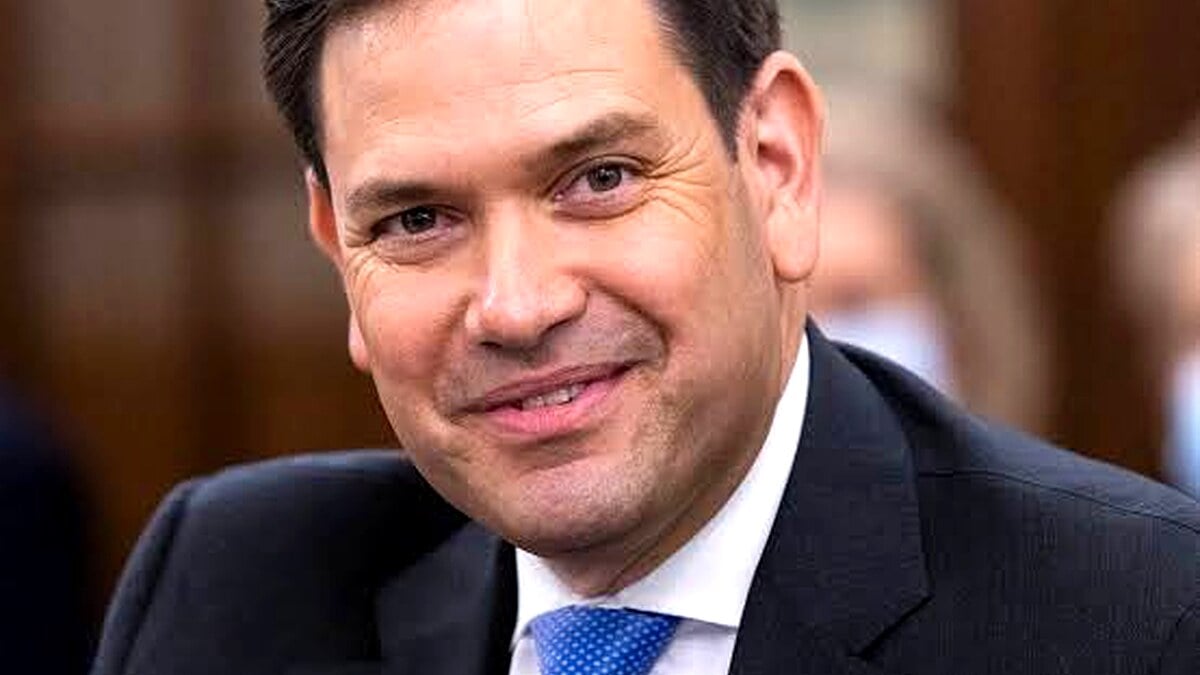




ISLAMABAD: US Secretary of State Marco Rubio firmly pushed back against an Indian journalist’s attempt to label Pakistan a terrorist country during a recent interaction in New Delhi.
Rubio instead highlighted Pakistan’s constructive mediation role in US-Iran diplomatic efforts and clarified that bilateral differences between India and Pakistan remain India’s own concern, not a US priority.
The exchange occurred as Rubio visited India to strengthen bilateral ties in trade, defence, and counterterrorism. It underscores shifting US diplomatic priorities in the region amid ongoing US-Iran negotiations.
According to video footage circulating on social media, the Indian journalist pressed Rubio to endorse a specific narrative on Pakistan. Rubio declined and redirected the conversation to Pakistan’s positive contributions.
“Pakistan has done an admirable job,” Rubio stated, referring to Islamabad’s role as the primary interlocutor facilitating communication between Washington and Tehran.
He noted that Pakistan continues to serve as the main channel for these sensitive discussions, describing its efforts as constructive for regional stability.
Rubio explicitly stated that India’s concerns regarding Pakistan centre on cross-border terrorism issues rather than Pakistan’s diplomatic engagements elsewhere.
“India is always pointing to the fact that there are armed terrorist groups operating from Pakistani territory that target India,” he acknowledged. “But as far as the role they played as a mediator… that never came up.”
He added that any issues India has with Pakistan constitute “their issue, not America’s.”
**Official Context** Pakistani officials have welcomed Rubio’s remarks as recognition of Islamabad’s growing diplomatic stature. A Foreign Office spokesperson described the comments as reflective of Pakistan’s responsible role in complex regional matters.
Pakistan has actively engaged in backchannel diplomacy for US-Iran talks, particularly on nuclear concerns and maritime security in the Gulf. Army Chief General Asim Munir recently visited Tehran as part of these efforts.
**Key Diplomatic Background** Pakistan’s mediation involvement gained momentum in recent months. US officials have confirmed Islamabad as the primary facilitator, with Rubio noting “slight progress” in the talks.
This development comes against the backdrop of longstanding US-Pakistan cooperation on counterterrorism and regional connectivity. Bilateral trade between the US and Pakistan stands at approximately $8-10 billion annually, with potential for growth in defence and energy sectors.
India-Pakistan tensions have persisted since 2019, following the Pulwama incident and subsequent military standoff. Pakistan has consistently maintained that it does not support terrorism and has taken action against militant groups, including banning several outfits and conducting large-scale operations.
According to data from regional security assessments, Pakistan has conducted over 1,200 counterterrorism operations in the last three years, resulting in significant disruptions to militant networks.
**Reactions in Pakistan** Political leaders across parties praised the US Secretary of State’s position. Prime Minister Shehbaz Sharif’s office highlighted the statement as validation of Pakistan’s peace efforts.
Defence analysts in Islamabad view the remarks as a diplomatic win. They note it separates Pakistan’s bilateral issues with India from its broader international contributions.
Market reactions in Pakistan were positive, with the rupee gaining slight ground against the dollar on Monday amid improved sentiment on foreign policy.
**Strategic Implications** The incident highlights the United States’ nuanced approach to South Asia. While maintaining strong defence ties with India — including major arms deals worth over $20 billion in recent years — Washington continues to engage Pakistan on critical issues like Iran, Afghanistan, and counterterrorism intelligence sharing.
Rubio’s visit to New Delhi also covered deepening Quad cooperation and Indo-Pacific strategy, yet his comments on Pakistan signal that Washington does not view Islamabad solely through the lens of India-Pakistan rivalry.
Analysts suggest this balanced messaging aims to prevent escalation while leveraging Pakistan’s geographic position for Middle East diplomacy. Pakistan borders Iran and shares historical ties that make it an effective communication bridge.
Future developments may include continued US-Pakistan coordination on Iran talks and potential trilateral discussions involving China, given Beijing’s strong relations with both Islamabad and Tehran.
The exchange also raises questions about media narratives in India and their impact on diplomatic discourse. Pakistani officials have called for fact-based engagement rather than confrontational questioning.
As US-Iran negotiations progress, Pakistan’s role is expected to remain central. Officials in Islamabad have expressed readiness to continue facilitation efforts while addressing legitimate security concerns raised by neighbours through dialogue.
Regional observers will watch closely for any follow-up statements from Washington or New Delhi on these matters in the coming weeks.