



ISLAMABAD: Pakistan is preparing to announce a draft memorandum of understanding (MoU) between the United States and Iran aimed at ending recent hostilities, according to sources cited by Al-Arabiya.
The announcement will proceed without requiring the physical presence of negotiating delegations from either side, Pakistani diplomatic sources confirmed. This development marks a significant step in Pakistan-mediated efforts that have intensified over recent weeks.
The draft MoU, described as a one-page framework with around 14 points, focuses on an immediate ceasefire, de-escalation measures, and a structured timeline for further talks. Key elements include commitments to reopen the Strait of Hormuz for safe maritime traffic and initial steps toward addressing sanctions and nuclear concerns.
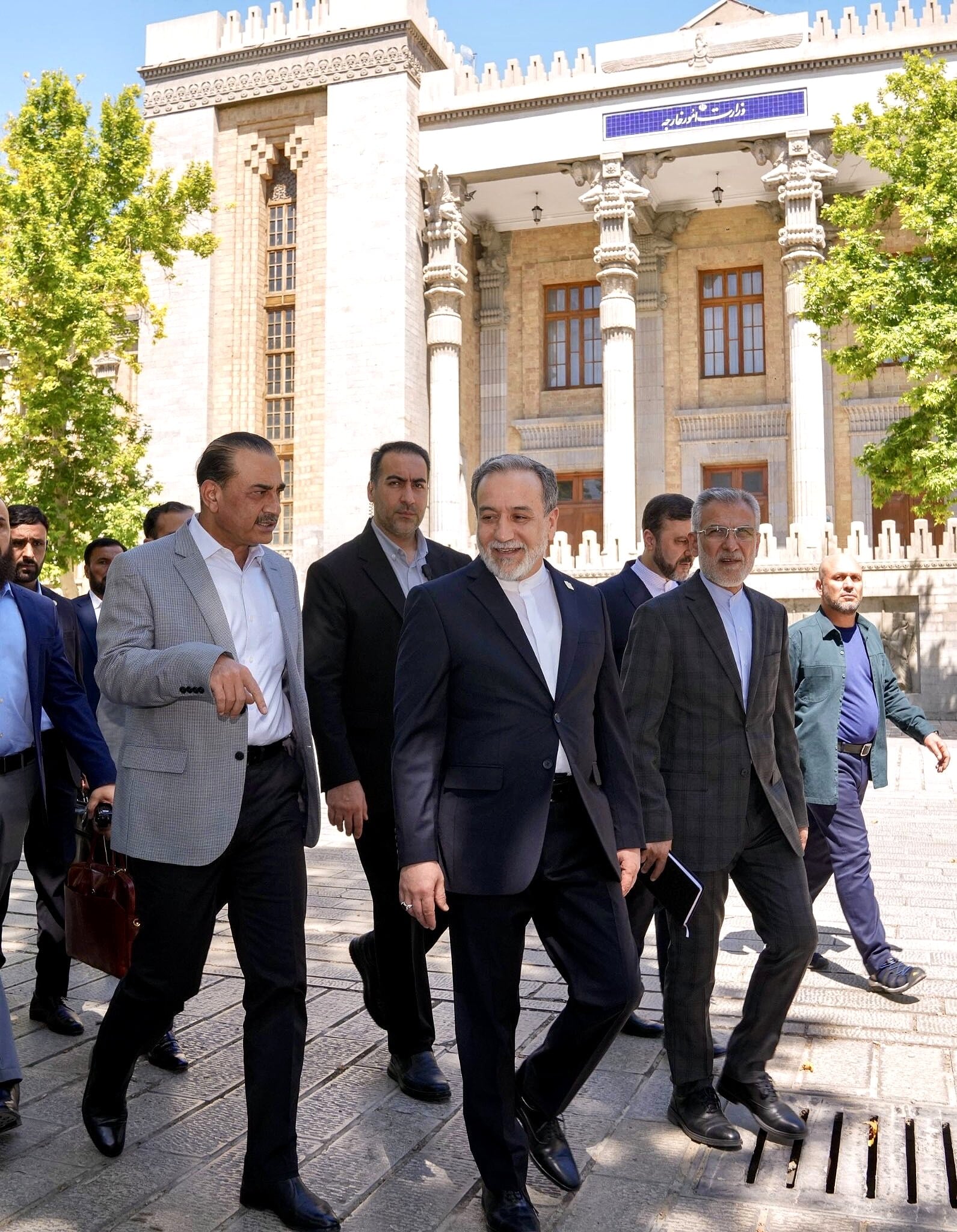
Foreign Ministry officials in Islamabad described the move as a practical diplomatic mechanism to lock in progress achieved through shuttle diplomacy. Pakistan’s Army Chief General Asim Munir has played a central role, conducting high-level engagements in Tehran and maintaining direct channels with US counterparts.
**Official Confirmation** A senior Pakistani official familiar with the process told Al-Arabiya that most terms have already received approval from both Washington and Tehran. The MoU serves as an interim framework to formalise the ceasefire and open a 30-day window for detailed negotiations.
Pakistan’s Deputy Prime Minister and Foreign Minister Ishaq Dar is expected to oversee the formal announcement from Islamabad in the coming hours or days. Government sources emphasised that the virtual-style announcement avoids logistical delays while preserving momentum.
**Key Provisions and Figures** According to details shared with regional media, the draft includes mutual pledges against pre-emptive attacks, phased lifting of restrictions in the Strait of Hormuz, and establishment of verification mechanisms. The strait handles approximately 20-30% of global seaborne oil trade, making its reopening critical for energy markets.
Recent fighting had disrupted shipping lanes and contributed to volatility in global oil prices, which spiked by over 15% in early phases of the conflict before easing on ceasefire signals. Pakistani mediation has involved multiple rounds since early 2026, with Islamabad hosting indirect talks and facilitating proposals.
**Background Context** Pakistan has maintained longstanding ties with both nations—deep security and economic relations with Saudi Arabia and Gulf states, alongside historical diplomatic channels with Iran and pragmatic engagement with the US. The country positioned itself as a neutral facilitator amid rising regional tensions that began escalating earlier this year.
The current effort builds on previous shuttle diplomacy involving senior military and civilian officials. Progress accelerated following visits by the army chief to Tehran and continuous coordination with US envoys.
**Reactions and Market Implications** Diplomatic circles in Riyadh, Doha, and Ankara have welcomed the Pakistani initiative, viewing it as a stabilising factor for broader Gulf security. Energy traders are closely monitoring the announcement, with expectations of calmer oil markets if the MoU holds.
Iranian state media has acknowledged ongoing work on the framework, while US officials have signalled cautious optimism about forthcoming positive developments. No immediate comments were available from Washington or Tehran on the exact timing of Pakistan’s announcement.
**Strategic Implications** This approach of announcing the MoU independently reflects a flexible diplomatic model suited to high-stakes, time-sensitive mediation. It allows parties to endorse outcomes remotely while deferring contentious face-to-face elements to later phases.
Success of the draft could open pathways for more comprehensive talks, potentially in Islamabad or neutral venues like Geneva. Failure to sustain the framework, however, risks renewed escalation with wider economic fallout across energy-dependent South Asian economies, including Pakistan.
Observers note that the announcement will test the durability of commitments made through back-channel efforts. Pakistani officials remain engaged with both sides to address any last-minute adjustments.
Further details on implementation timelines and verification protocols are expected once the MoU is formally released. Regional capitals continue to watch developments closely as efforts shift from negotiation to enforcement of agreed terms.