



ISLAMABAD: Sources in Islamabad and Kabul indicate that Pakistan has detected a potential change in the Taliban administration’s handling of foreign jihadist elements operating from Afghan territory.
Pakistan’s embassy in Kabul has held multiple rounds of discussions with the Taliban’s foreign office in recent weeks aimed at reducing bilateral tensions. While no major breakthrough has been announced at the highest levels, both sides appear open to gradual de-escalation following months of heightened conflict.
The meetings have focused on security concerns, particularly the presence and activities of Tehrik-e-Taliban Pakistan (TTP) fighters and other foreign militant networks. Pakistani officials have long maintained that unchecked sanctuaries in Afghanistan fuel cross-border attacks inside Pakistan.
Diplomatic sources told local media that the Pakistani mission in Kabul has recommended restarting visa issuance on humanitarian and health grounds, pending a formal decision from Islamabad. This suggestion comes as a limited confidence-building step after prolonged restrictions.
Pakistan’s Foreign Office has not issued an official statement on the latest meetings, but senior officials have repeatedly stressed the need for “visible and verifiable action” against anti-Pakistan militant groups. In earlier briefings, spokespersons highlighted that over 1,200 people were killed in Pakistan in 2025 due to militant violence, more than double the 2021 figures.
The Taliban administration has denied providing systematic support to TTP elements, though it acknowledges ideological affinities with various Pashtun militant factions. Afghan officials have pointed to their own internal challenges in fully controlling remote border regions.
**Key Context of Tensions**
Relations between Islamabad and Kabul deteriorated sharply after the Taliban’s return to power in 2021. Cross-border incidents escalated significantly in 2025, prompting Pakistan to launch targeted operations and eventually leading to direct confrontations in early 2026.
Pakistan closed major border crossings like Torkham and Chaman for extended periods, impacting bilateral trade valued at hundreds of millions of dollars annually. Over one million Afghans were repatriated from Pakistan in 2025 as part of security-driven measures.
In February 2026, Pakistan conducted airstrikes on alleged militant targets in Afghan provinces, followed by retaliatory actions. Casualty figures remain disputed, with reports indicating dozens of soldiers and civilians affected on both sides during the peak escalation phase.
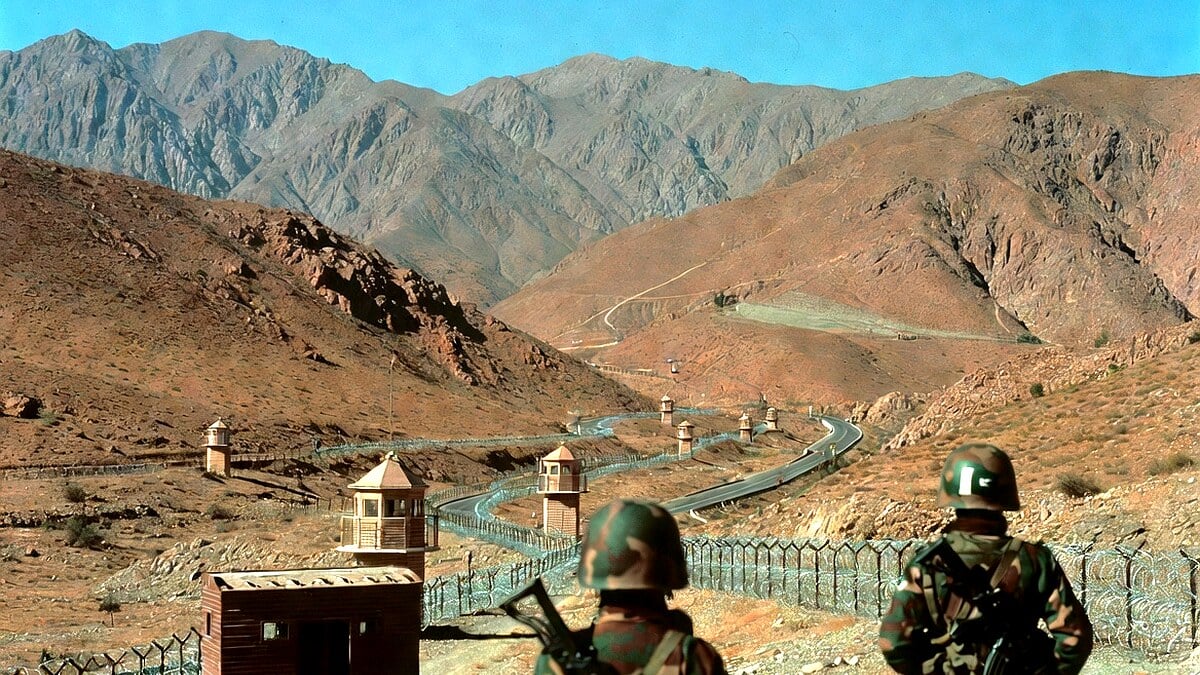
The Durand Line, spanning approximately 2,600 kilometres, continues to serve as a porous corridor for movement of people and goods, complicating enforcement efforts.
**Official Positions**
Pakistani military and diplomatic channels have consistently demanded that the Taliban take concrete steps against TTP leadership and training facilities. Interior Ministry data from recent years shows a surge in TTP-claimed attacks in Khyber Pakhtunkhwa and Balochistan provinces.
Taliban acting Foreign Minister Amir Khan Muttaqi and other officials have engaged in multiple rounds of talks with Pakistani counterparts, including trilateral formats involving China. Beijing has encouraged both sides to prioritize stability along the shared border.
Sources familiar with the Kabul discussions say the current engagement represents a tactical willingness to manage tensions rather than a comprehensive reset. Progress remains slow due to deep mistrust accumulated over years.
**Economic and Humanitarian Dimensions**
The near-closure of the border has affected thousands of families reliant on cross-border trade and medical travel. Pakistani authorities have processed limited medical visa cases on an exceptional basis, particularly for critical health conditions.
Restarting visa services, even selectively, could ease pressure on humanitarian corridors and signal intent to normalize people-to-people contacts. However, security vetting procedures are expected to remain stringent.
Trade figures between the two countries, which stood at around $2-3 billion in better years, have declined sharply due to repeated closures and security protocols.
**Broader Regional Implications**
The evolving diplomatic track comes against the backdrop of Pakistan’s internal security challenges. Militant incidents in 2025 displaced thousands and strained law enforcement resources across western provinces.
Analysts note that any sustained reduction in TTP activities from Afghan soil would require verifiable dismantling of infrastructure, something the Taliban has been reluctant to pursue aggressively due to internal dynamics.
Regional players, including China, have expressed interest in stabilizing the Pakistan-Afghanistan corridor to protect investments in connectivity projects. The China-Pakistan Economic Corridor (CPEC) extensions could benefit from improved border security.
**Future Outlook**
Observers suggest that while the current meetings offer a window for dialogue, translating tactical engagement into strategic cooperation will require consistent action on the ground. Pakistan is likely to maintain pressure through military readiness while testing diplomatic avenues.
Upcoming decisions on visa policy and border management will serve as early indicators of whether the reported shift in Taliban approach yields tangible results. Both sides continue to monitor developments closely as the situation remains fluid.
Further rounds of talks are expected in the coming weeks, with possible involvement of third-party facilitators to build on the limited momentum.