



ISLAMABAD: Pakistan’s diplomatic push to mediate between the United States and Iran has drawn intensified counter-lobbying from Israel and India in Washington, according to official and diplomatic sources.
The development comes as Islamabad continues backchannel efforts to support dialogue aimed at ending the US-Iran conflict that escalated earlier this year. Pakistani officials have facilitated multiple rounds of indirect talks, including sessions hosted in Islamabad in April 2026.
Prime Minister Shehbaz Sharif and Field Marshal Asim Munir have played central roles in conveying proposals between Tehran and Washington. These efforts contributed to a fragile ceasefire and several rounds of negotiations, including proposals for a potential 45-day pause in hostilities.
Israeli officials have expressed dissatisfaction with Pakistan’s mediation, viewing it as an obstacle to stronger military action against Iranian infrastructure. Sources indicate Israel prefers more decisive US strikes, while President Donald Trump has shown openness to Pakistan’s counsel for dialogue over escalation.
**Official Positions**
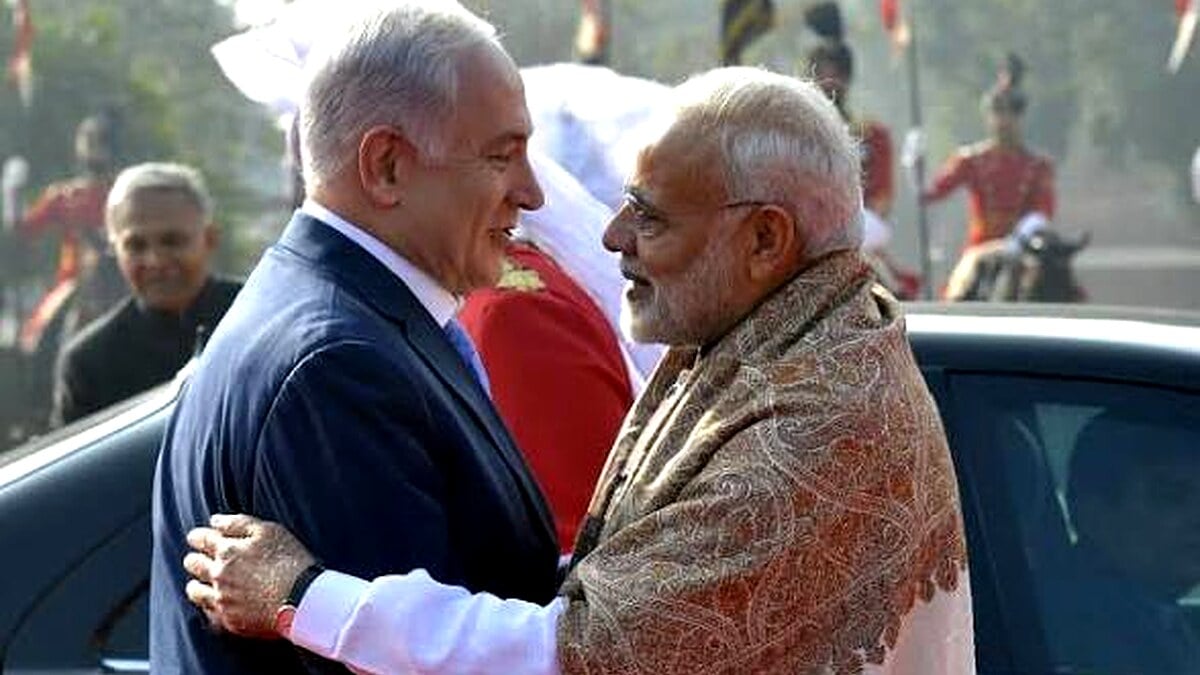
Pakistani diplomatic sources confirmed that Israel and India have coordinated outreach to US lawmakers and think tanks to question Pakistan’s reliability as a mediator. This includes highlighting longstanding concerns over regional security dynamics.
A senior Pakistani official, speaking on condition of anonymity, stated that Islamabad remains focused on de-escalation to protect its western border and energy interests. Pakistan shares a nearly 900-kilometer border with Iran and imports significant energy resources from the region.
US President Trump has publicly lauded Pakistan’s role, praising Army Chief Munir’s understanding of Iranian dynamics following high-level engagements. However, some US Republican voices, including Senator Lindsey Graham, have raised reservations about relying on Islamabad.
**Lobbying Context and Figures**
India and Israel maintain robust lobbying operations in Washington. Reports from previous years documented combined efforts by Indian and Jewish American groups to influence US policy on South Asia, including amendments tied to aid packages. In one notable instance, such coordination secured language pressuring Pakistan on cross-border militancy.
Current campaigns reportedly target congressional committees overseeing Middle East policy and foreign aid. Pakistan itself allocates substantial resources to Washington advocacy, with estimates around $900,000 monthly on lobbying amid broader economic pressures.
The US-Iran conflict has caused significant regional fallout. Fighting displaced millions and disrupted the Strait of Hormuz, a critical chokepoint for global oil shipments. Pakistan’s mediation has involved shuttling at least half a dozen messages between the parties since early 2026.
**Background**
Pakistan’s involvement builds on its unique position: maintaining ties with both Washington and Tehran while hosting Iran’s interests section in the US through its embassy. This channel has facilitated communication even after decades of severed US-Iran diplomatic relations.
The mediation aligns with Pakistan’s interest in stabilizing its neighborhood. A prolonged conflict risks refugee flows, border tensions, and higher energy prices for an economy already navigating inflation and external debt challenges.
**Reactions and Implications**
Diplomatic observers note that the joint lobbying reflects broader Israel-India strategic convergence on security issues. Israeli Ambassador to India Reuven Azar has previously voiced concerns about Pakistan’s role in regional stability.
Market reactions in Pakistan have been mixed, with some analysts pointing to potential diplomatic gains if mediation succeeds. Successful de-escalation could open avenues for economic relief, including eased pressure on trade routes and energy imports.
In the broader picture, Pakistan’s efforts have elevated its profile in Middle East diplomacy. Hosting talks in Islamabad marked a notable achievement, positioning the country as a bridge in a conflict that drew in multiple regional actors.
Analysts suggest the lobbying push may aim to shape US decision-making on future Iran policy and aid frameworks. However, Trump’s reported attention to Pakistani inputs indicates that mediation channels remain active despite external pressures.
Future developments will likely hinge on upcoming proposals and US policy signals. Pakistani officials have indicated continued engagement, with potential for further rounds of talks if both Washington and Tehran show flexibility on core issues such as nuclear concerns and regional security guarantees.
The situation remains fluid, with Islamabad balancing its mediation role against domestic and international constraints.