



Nations
ISLAMABAD: Iran has proposed the creation of an Islamic NATO-style defense and economic alliance uniting Muslim-majority countries.
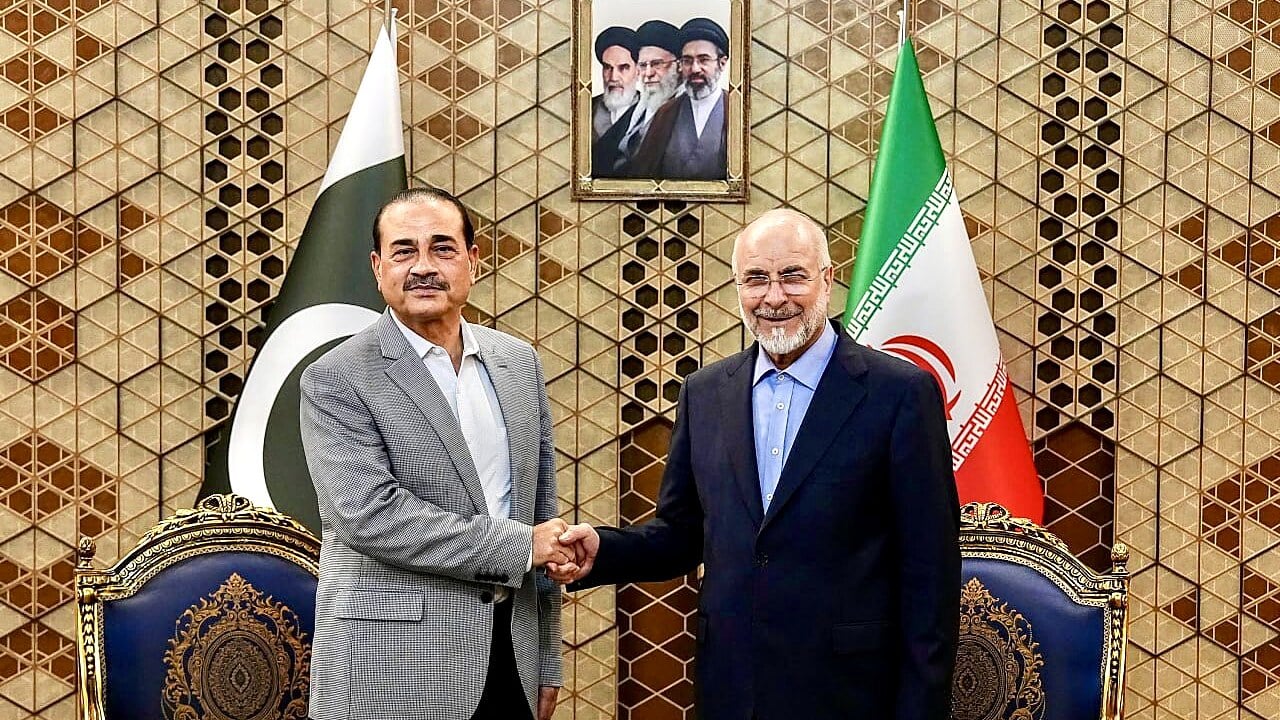
Supreme National Security Council Secretary Ali Akbar Ahmadian made the call, urging Tehran to lead the initiative. He described it as the most important item on the regional agenda amid ongoing geopolitical tensions.
Ahmadian stated that 56 Muslim-majority nations, if unified, would command the world’s largest collective economy and control critical chokepoints including the Strait of Hormuz and Bab el-Mandeb.
The proposal envisions a bloc of around 57 countries that together manage nearly half the world’s energy supply through strategic waterways. Officials argue such unity would provide strong deterrence without reliance on nuclear capabilities.
**Official Statements** Ahmadian emphasized collective strength in remarks carried by Iranian state media. He highlighted the potential for economic and military coordination among member states to safeguard shared interests.
Iranian leaders framed the alliance as essential for regional stability and protection against external threats. The call comes as the Organization of Islamic Cooperation holds discussions on enhanced cooperation.
**Key Data and Figures** Muslim-majority countries number approximately 53 to 57 depending on definitions, spanning regions from North Africa to Southeast Asia. Their combined population exceeds 1.8 billion people.
Collective GDP estimates for these nations place them among the largest economic groupings globally when aggregated. They control key energy routes carrying roughly 20% of global oil trade through the Strait of Hormuz alone, equating to about 17-21 million barrels per day.
The Bab el-Mandeb Strait handles additional significant volumes of oil and trade between the Red Sea and Gulf of Aden. Other chokepoints under potential influence include routes vital for Asian and European energy security.
Pakistan, with one of the largest Muslim populations, maintains strong defense ties across the Muslim world. Similar proposals have surfaced previously, including Saudi-led coalitions in 2015 involving up to 34 nations.
**Background Context** The concept builds on earlier ideas of Muslim unity in security matters. Past efforts included Egypt’s push for an Arab joint force and Saudi Arabia’s Islamic Military Alliance against terrorism.
Iran positions itself as a potential leader due to its strategic location and military capabilities. The proposal reflects ongoing challenges in the Middle East, including recent escalations involving Israel and Western powers.
Geopolitically, the bloc would aim to balance influence from major global players. Economically, it seeks to leverage combined resources in energy, trade, and finance for greater autonomy.
**Reactions and Impact** Gulf states and other Muslim nations have shown mixed responses to similar unity calls. Pakistan has previously supported ideas of collective defense mechanisms in forums like the OIC.
Analysts note potential challenges including sectarian differences and varying national interests. Some countries maintain close ties with Western alliances, complicating full integration.
Market implications could include coordinated energy policies affecting global oil prices. Any successful formation would reshape diplomatic alignments across Asia, Africa, and the Middle East.
For Pakistan, participation could open avenues for enhanced trade, defense collaboration, and economic partnerships within the bloc. Remittances and IT exports might benefit from greater regional stability.
**Strategic Implications** The proposal signals a shift toward independent security architectures outside traditional Western frameworks. A unified bloc controlling major waterways could alter global supply chain dynamics significantly.
Experts estimate that coordinated policies on energy could influence prices and availability for major importers like China, India, and Europe. Timelines for such an alliance remain unclear, with diplomatic groundwork likely required over several years.
Challenges include harmonizing military standards, resolving political disputes, and securing broad consensus among diverse economies. Investment figures in defense and infrastructure would need substantial scaling across participating states.
Future developments depend on outcomes of ongoing OIC summits and bilateral engagements. Success could lead to joint exercises, shared intelligence, and collective bargaining on global issues.
The initiative raises questions about its impact on existing alliances and regional power balances. Progress will hinge on practical steps toward implementation amid current geopolitical uncertainties.