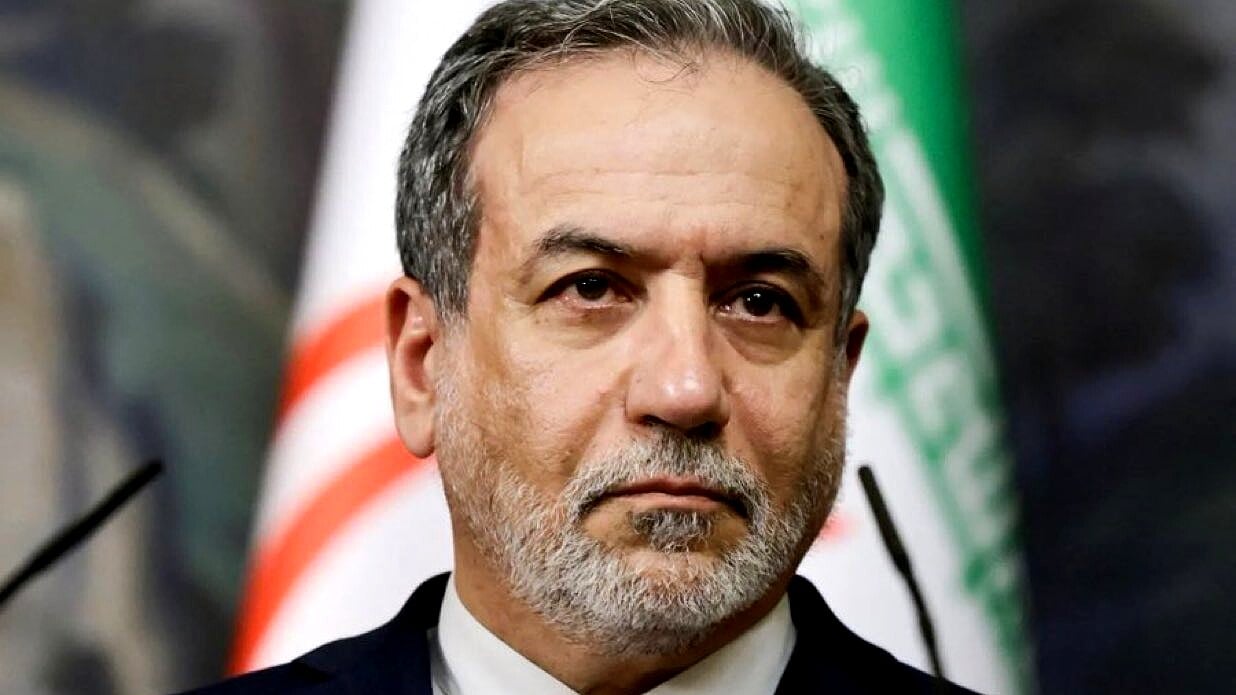




(Iran Considers This Country for Uranium Stockpiles Transfer Amid Nuclear Talks)
TEHRAN: Iran’s Foreign Minister Abbas Araghchi has confirmed that Moscow offered to take custody of Iranian uranium stockpiles less than two weeks after his meeting with Russian President Vladimir Putin.
The disclosure comes as Tehran navigates delicate negotiations following the recent US-Iran ceasefire.
“I met President Putin less than two weeks ago and we discussed the offer to move uranium to Russia,” Araghchi told reporters in Tehran on Friday.
He added, “We’re thankful to our Russian friends for their offer and intention to help. Of course, this is something that we have to decide during the negotiations.”
Earlier diplomatic reports had surfaced naming Pakistan as another potential venue for any such uranium transfer, raising fresh questions about regional players in the unfolding nuclear diplomacy.
Iran currently holds an enriched uranium stockpile estimated at over 6,000 kilograms, according to International Atomic Energy Agency assessments from earlier this year. A significant portion exceeds 60 percent purity levels, close to weapons-grade material.
Any large-scale transfer would mark a major de-escalation step under potential future agreements aimed at limiting Iran’s nuclear program in exchange for sanctions relief.
Pakistani officials have not issued public comments on the reported option. However, sources close to Islamabad’s foreign ministry confirmed that quiet discussions on regional nuclear stability have taken place with both Iranian and Western interlocutors in recent months.
Pakistan operates civil nuclear facilities under IAEA safeguards and maintains a strong strategic partnership with China through the China-Pakistan Economic Corridor, which includes energy projects valued at over $30 billion.
The Russia option appears more advanced. Araghchi’s meeting with Putin in Moscow focused on energy cooperation, sanctions circumvention, and the broader JCPOA revival framework.
Russian state media reported that Putin assured Iran of technical and logistical support for any safe transfer of nuclear material if mutually agreed during talks.
Timelines remain fluid. Indirect negotiations involving the United States, Iran, and European parties are expected to intensify in the coming weeks in neutral venues, possibly including Oman or Qatar.
The recent US-Iran ceasefire, which Trump publicly linked to Pakistani efforts, has created a narrow window for such confidence-building measures. Oil prices have eased by nearly 12 percent since the truce announcement, providing temporary economic breathing room for Iran.
Iran’s economy contracted sharply under maximum pressure sanctions, with GDP growth turning negative in multiple quarters. Inflation hovers above 35 percent while oil export revenues dropped below $40 billion annually at the height of restrictions.
Transferring uranium to Russia or potentially Pakistan could serve as a verifiable step to demonstrate restraint. It would also reduce risks of Israeli or American preemptive strikes on Iranian facilities.
For Pakistan, involvement would carry both opportunities and risks. The country already manages complex nuclear security protocols and shares a 900-kilometer border with Iran. Any role could enhance its diplomatic stature but invite scrutiny from India and Western non-proliferation hawks.
Defence analysts in Islamabad note that Pakistan’s own nuclear program, built for deterrence, gives it unique technical understanding of enrichment challenges. However, official policy remains strict adherence to international commitments and opposition to proliferation.
Chinese diplomats have quietly encouraged all parties toward dialogue, viewing stability in the Gulf as vital for Belt and Road Initiative projects across South Asia and the Middle East.
Araghchi stressed that no final decision has been made. “This remains part of broader negotiations where our rights under the NPT must be respected,” he said, referring to Iran’s insistence on peaceful nuclear energy access.
Western officials have welcomed any move that reduces Iran’s breakout capacity. Estimates suggest Iran could produce enough weapons-grade uranium for one device within weeks if it chose to sprint forward, though weaponization would take longer.
The IAEA director general recently called for enhanced monitoring and material accountancy as critical for any interim deal.
In Islamabad, the development is being watched closely. Pakistan’s foreign office has increased engagement with Tehran on border security and trade, which crossed $2.8 billion in the last financial year despite US sanctions.
Any uranium-related role for Pakistan would require careful calibration to avoid straining ties with Washington, especially after the positive acknowledgment from President Trump on the ceasefire.
Strategic circles in South Asia see this as part of a larger realignment. Russia, facing its own Western sanct