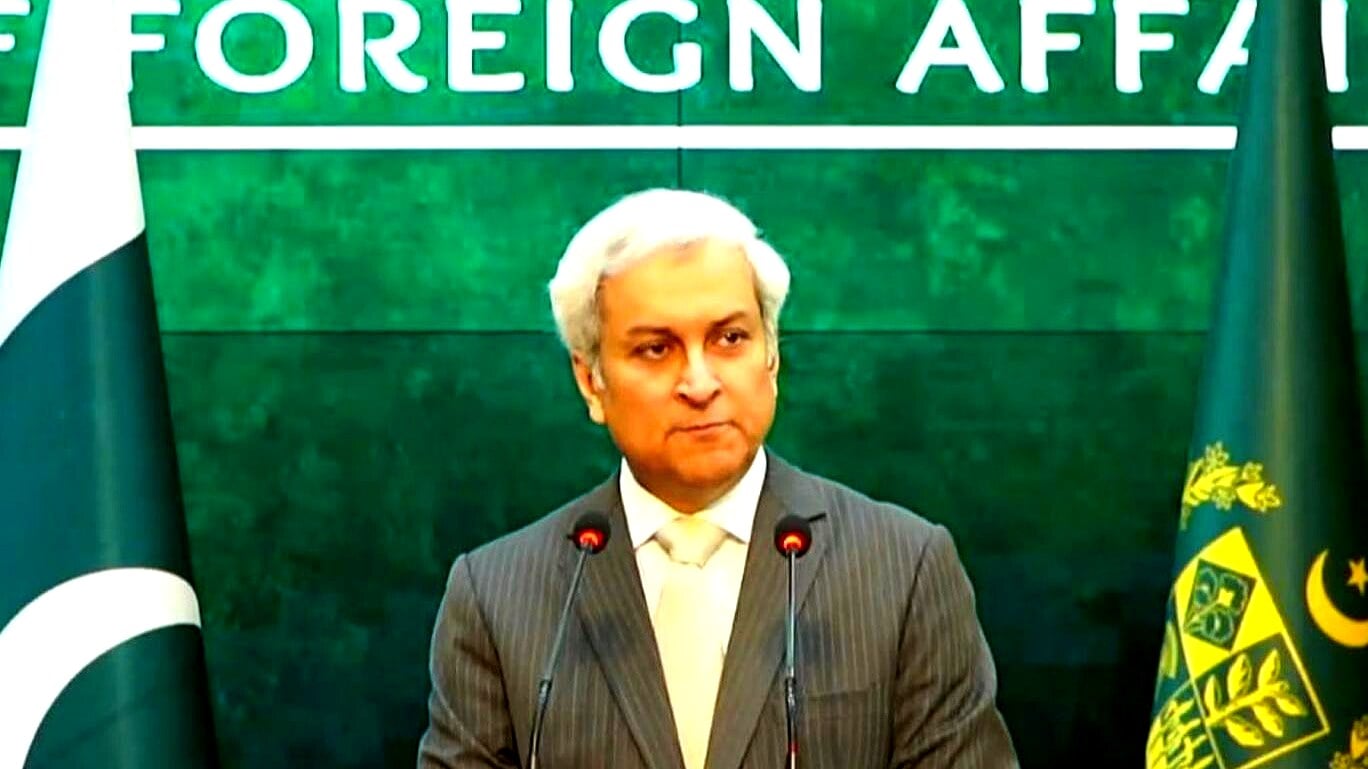




ISLAMABAD: Pakistan is actively participating in the ongoing negotiation process between Iran and the United States in a positive and optimistic manner, the Foreign Office said on Thursday.
Foreign Office Spokesperson Tahir Andrabi confirmed during the weekly media briefing that Islamabad remains engaged as the talks continue. He emphasised that the constructive role of both Iran and the United States remains critical for advancing the process.
The development comes amid heightened regional tensions following the joint US-Israeli strike on Iranian targets on February 28. Tehran responded with retaliatory actions, prompting Pakistan to offer mediation efforts to de-escalate the situation.
Direct talks between Iranian and US delegations were held in Islamabad on April 11 and 12. These sessions resulted in the extension of an existing two-week ceasefire, providing a window for further diplomatic engagement.
Andrabi stated that Pakistan’s facilitation has focused on creating an environment conducive for dialogue. “Islamabad is approaching this process with optimism while maintaining neutrality and respect for the sovereignty of all parties involved,” he added.
Pakistani diplomatic sources indicated that multiple rounds of back-channel contacts preceded the April talks. Officials from both sides appreciated the secure and neutral venue provided by Islamabad.
The ceasefire extension has temporarily eased immediate military risks in the Gulf region. Shipping traffic through the Strait of Hormuz, which handles nearly 20 percent of global oil trade, showed signs of stabilisation in early May according to maritime tracking data.
Pakistan shares a 900-kilometre border with Iran and maintains strong economic ties. Bilateral trade between the two countries stands at approximately $2.5 billion annually, with potential for growth in energy and transit sectors once regional stability improves.
Background observers note that Pakistan has previously played similar facilitative roles in regional crises, leveraging its relationships across the Middle East and with major powers. The country’s strategic location and diplomatic channels have positioned it as a credible interlocutor in this instance.
Regional reactions to the extended ceasefire have been cautiously positive. Several Gulf states have quietly welcomed the pause in direct hostilities, while China and Russia have publicly supported continued diplomatic efforts through established channels.
Market implications have also emerged. International oil prices eased by 4-6 percent in the weeks following the April talks in Islamabad, reflecting reduced immediate supply disruption fears.
The Foreign Office spokesperson stressed that while progress has been made, the negotiations remain complex. Key issues under discussion include nuclear concerns, regional security arrangements, and sanctions relief frameworks.
Analysts suggest Pakistan’s involvement carries both opportunities and challenges. Successful facilitation could enhance Islamabad’s diplomatic stature and open avenues for expanded economic cooperation with Iran, including progress on the stalled Iran-Pakistan gas pipeline project.
However, prolonged instability could affect Pakistan’s western border security and economic interests in the region. Officials continue to monitor the situation closely while prioritising the safety of Pakistani nationals in Iran and Gulf countries.
Further rounds of talks are expected in the coming weeks. Diplomatic circles indicate that both sides are weighing substantive proposals on verification mechanisms for the ceasefire and confidence-building measures.
The outcome of these negotiations could have significant implications for broader Middle East stability and global energy markets. Pakistan has reiterated its commitment to peace and constructive dialogue as the process moves forward.